
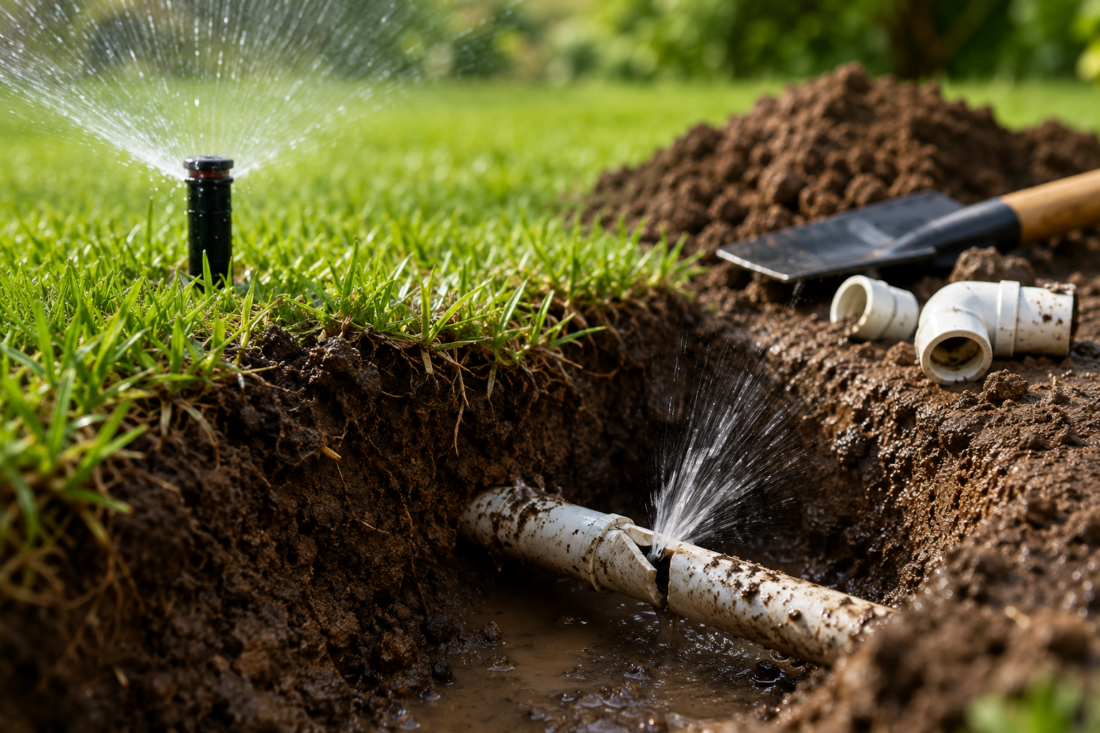
A broken sprinkler line can quickly turn your lush Texas lawn into a waterlogged mess. Or leave sections of your yard bone dry during our scorching DFW summers. Whether you're dealing with the expansive clay soil common throughout Dallas-Fort Worth or the freeze-thaw cycles that wreak havoc on irrigation systems, understanding how to identify and fix sprinkler line breaks is essential for maintaining a healthy landscape. At Ryno Lawn Care, we've seen every type of sprinkler system failure imaginable across North Texas, and we're here to guide you through the repair process.
Signs Your Sprinkler Line is Broken
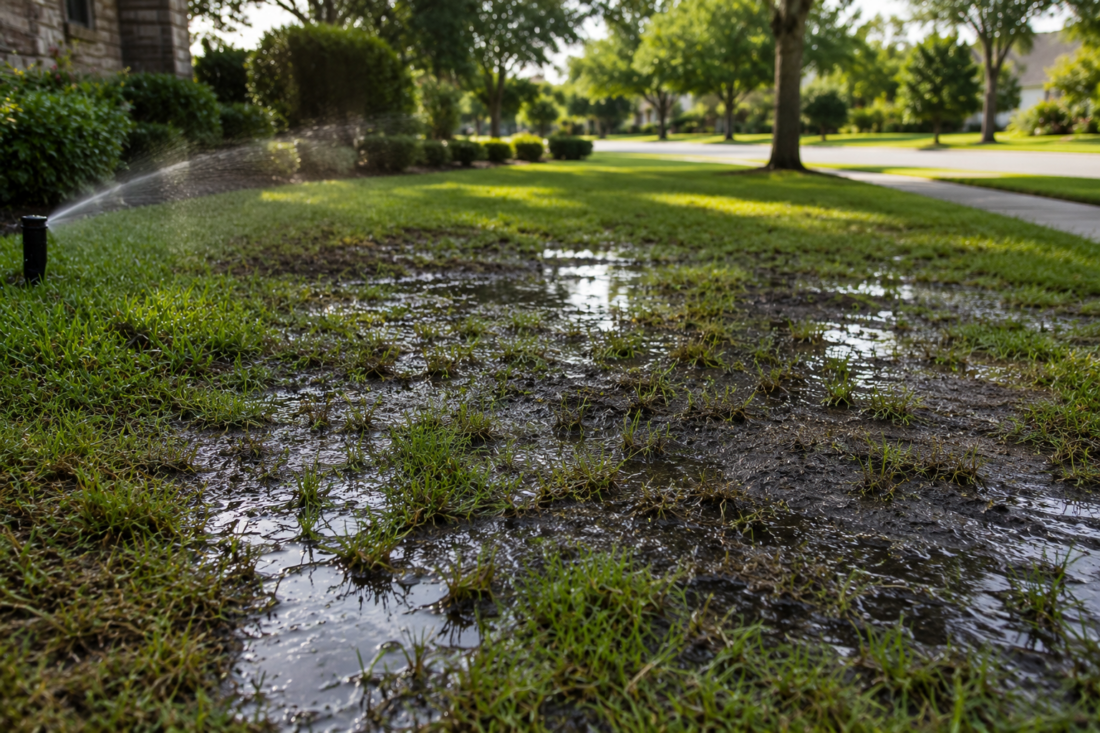
A broken sprinkler line early can save you hundreds of dollars in water bills and prevent extensive damage to your foundation and landscape. Here are the telltale signs that indicate trouble brewing beneath your DFW lawn:
Visual and Physical Indicators
- Wet spots or standing water when your sprinkler system hasn't run recently
- Unusually soggy or muddy areas during dry periods, especially common in our clay-heavy soil
- Sunken or raised areas in your lawn where water has either washed away soil or caused clay expansion
- Dead or yellowing grass in specific zones while other areas remain healthy
- Sprinkler heads that won't pop up or only partially emerge from the ground
System Performance Issues
- Dramatically reduced water pressure in one or more irrigation zones
- Uneven water distribution with some areas getting too much water and others too little
- System cycling issues where zones don't complete their programmed run times
- Significantly higher water bills without increased usage
In DFW's expansive clay soil, breaks often occur due to soil movement during wet and dry cycles. The clay shrinks during drought conditions and expands when saturated, creating tremendous pressure on buried pipes. This is particularly problematic in areas like Plano, Frisco, and Allen, where the clay content is especially high.
Tools and Materials You'll Need
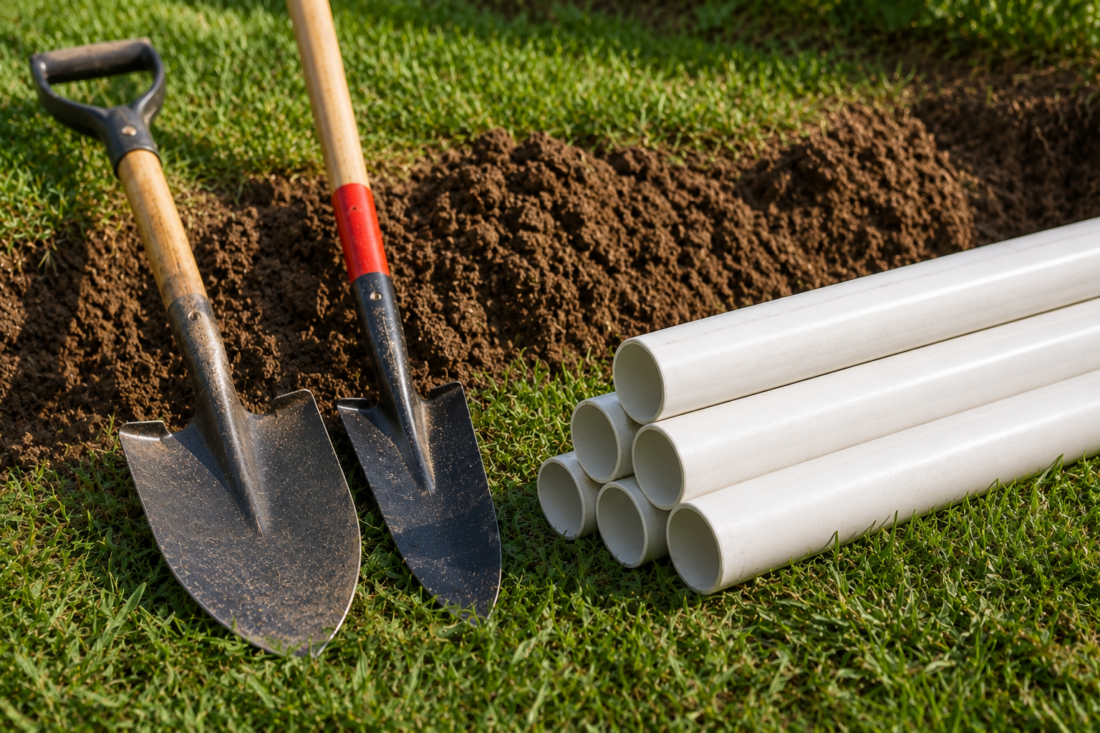
Before attempting a sprinkler line repair, gather the necessary tools and materials. Having everything on hand will make the process smoother and help ensure a professional-quality result.
Essential Hand Tools
- Trenching shovel or spade
- PVC pipe cutter or hacksaw
- Measuring tape
- Utility knife
- Level (for proper pipe alignment)
- Hand tamper for soil compaction
Materials and Supplies
- PVC pipe (typically ¾-inch or 1-inch diameter for residential systems)
- PVC couplings and fittings
- PVC primer and cement
- Pipe thread compound or Teflon tape
- Sand or fine gravel for bedding
- Marking paint or flags
| Repair Method | Cost Range | Time Required | Skill Level |
|---|---|---|---|
| DIY Simple Line Break | $15-$50 | 2-4 hours | Beginner |
| DIY Complex Main Line | $75-$200 | 4-8 hours | Intermediate |
| Professional Repair | $200-$500 | 1-2 hours | Expert |
| Professional Main Line | $500-$1,200 | 2-4 hours | Expert |
Step-by-Step Repair Process
Repairing a broken sprinkler line requires patience and attention to detail, especially when working with DFW's challenging clay soil conditions.
Step 1: Locate the Break
Start by turning off your irrigation system at the controller and main valve. Walk your property looking for obvious signs of water damage or pooling. For breaks that aren't immediately visible, turn your water meter's shut-off valve to isolate the irrigation system, then turn zones on individually to pressurize different sections of your system.
Mark the suspected area with spray paint or flags. In North Texas, most residential sprinkler lines are buried 6-12 inches deep, though depths can vary based on local frost line requirements and soil conditions.
Step 2: Excavate Carefully
Using a trenching shovel, begin digging carefully around the marked area. DFW's clay soil can be extremely hard when dry and sticky when wet, so plan your dig accordingly. Dig in a rectangular pattern approximately 2 feet wide to give yourself adequate working room.
Pro tip: If the clay is too hard, lightly water the area the night before digging to soften the soil, but avoid over-watering which can create a muddy mess.
Step 3: Cut Out the Damaged Section
Once you've exposed the broken pipe, use your PVC pipe cutter to remove the damaged section. Make clean, straight cuts at least 3 inches beyond any visible damage on each side. This ensures you're working with good pipe for your connections.
Step 4: Install the Repair Section
- Measure the gap between the two good pipe ends
- Cut a new section of PVC pipe to fit, accounting for the depth that each end will sit in the coupling fittings
- Dry-fit all pieces to ensure proper alignment
- Apply PVC primer to all connection surfaces, followed by PVC cement
- Quickly join the pieces and hold firmly for 30 seconds
- Allow the cement to cure for at least 15 minutes before testing
Step 5: Test and Backfill
Before covering your repair, test the system by turning the water back on and running the affected zone. Check for leaks and proper pressure. If everything looks good, backfill the trench with the excavated soil, tamping every 6 inches to prevent settling.
In Texas clay soil, consider mixing some sand with the clay backfill around the immediate pipe area. This provides better drainage and reduces pressure on the repair during soil expansion and contraction cycles.
When to Call a Professional
While many sprinkler line breaks are within the scope of DIY repair, certain situations require professional intervention. Understanding these scenarios can save you time, money, and frustration.
Complex System Issues
Call Ryno Lawn Care or another qualified irrigation professional when you encounter:
- Main line breaks near the water meter or backflow prevention device
- Multiple simultaneous breaks indicating systemic problems
- Electrical issues with valve wiring or control systems
- Breaks near foundations, driveways, or hardscaping that require specialized excavation
- Pressure regulation problems that affect the entire system
Time and Expertise Considerations
Professional repair makes sense when the cost of your time, potential mistakes, and tool rental exceeds the service fee. In the DFW area, our team can typically complete most repairs in 1-2 hours, compared to a full day for most homeowners.
Additionally, professional repairs often come with warranties and are completed with commercial-grade materials that last longer in our challenging Texas climate.
Preventing Future Sprinkler Line Breaks
Prevention is always more cost-effective than repair. Here are essential strategies for protecting your irrigation investment in the DFW climate:
Seasonal Maintenance
North Texas weather patterns demand specific maintenance timing:
- Spring activation (March-April): Slowly pressurize your system after winter to check for freeze damage
- Summer monitoring (May-September): Regularly inspect for signs of stress from heat and soil movement
- Fall preparation (October-November): Begin reducing watering schedules as temperatures drop
- Winter protection (December-February): Properly winterize your system to prevent freeze damage
Read our article on How to Winterize Your Rainbird Sprinkler System.
Soil and Pressure Management
Managing your system's interaction with DFW's expansive clay soil is crucial:
- Maintain consistent soil moisture to minimize expansion and contraction cycles
- Install pressure regulation devices if your home water pressure exceeds 50 PSI
- Consider soil amendments around sprinkler lines in areas with severe clay conditions
- Mark your irrigation lines before any landscaping or construction projects
Regular Professional Inspections
Schedule annual irrigation system inspections with Ryno Lawn Care. Our comprehensive sprinkler system maintenance services include pressure testing, valve adjustments, and early problem detection that can prevent major failures.
For a healthy lawn, we offer lawn programs that coordinate irrigation, fertilization, weed control, and other services tailored to North Texas conditions.
FAQ Section
How much does it cost to fix a broken sprinkler line in the DFW area?
Professional sprinkler line repair costs in the DFW area typically range from $200-$500 for simple lateral line breaks and $500-$1,200 for main line repairs. DIY repairs can cost as little as $15-$50 in materials for basic breaks, but factor in your time and the risk of improper repairs that could lead to more expensive problems.
Can I fix a sprinkler line break myself, or do I need a professional?
Simple lateral line breaks in accessible areas are often suitable for DIY repair if you have basic plumbing skills and the right tools. However, breaks involving main lines, electrical components, or areas near structures should be handled by professionals. In DFW's clay soil, excavation can be challenging and may require specialized equipment for larger repairs.
How do I know if my sprinkler line is broken or if it's just a clogged head?
A clogged sprinkler head typically affects only that specific head, while a broken line impacts water pressure and coverage across an entire zone. If multiple heads in the same zone are underperforming or you see water pooling away from sprinkler heads, you likely have a line break rather than a simple clog.
What causes sprinkler lines to break in North Texas?
The primary causes of sprinkler line breaks in North Texas include: freeze-thaw cycles during winter, soil expansion and contraction in our clay soils, root intrusion from mature trees, ground settling, and damage from landscaping or construction activities. Proper winterization and regular maintenance can prevent many of these issues.
How long does a typical sprinkler line repair take?
A simple lateral line repair typically takes 2-4 hours for DIY work or 1-2 hours for professional repair. Complex main line repairs or those in difficult locations can take 4-8 hours. Factors affecting timing include soil conditions, depth of the break, accessibility, and weather conditions during the repair.
Conclusion
Fixing a broken sprinkler line doesn't have to be a nightmare, even in the challenging conditions of North Texas. With the right knowledge, tools, and approach, many repairs are within reach of the average homeowner. However, knowing when to call in professionals like Ryno Lawn Care can save you significant time and ensure your irrigation system operates efficiently for years to come.
Remember that proper maintenance and winterization are your best defenses against costly sprinkler line breaks. If you're unsure about any aspect of your irrigation system repair or maintenance, our team is always ready to help keep your DFW lawn healthy and beautiful year-round.

Michelle Valdivia
I am a content manager with several years of experience creating and managing website content across a variety of industries. Since 2021, I have specialized in developing clear, engaging, and informative content for service-based businesses. With a background in education, I bring a strong focus on clarity and communication to my work. I also enjoy learning about landscaping and lawn care and translating that knowledge into helpful resources for homeowners.