
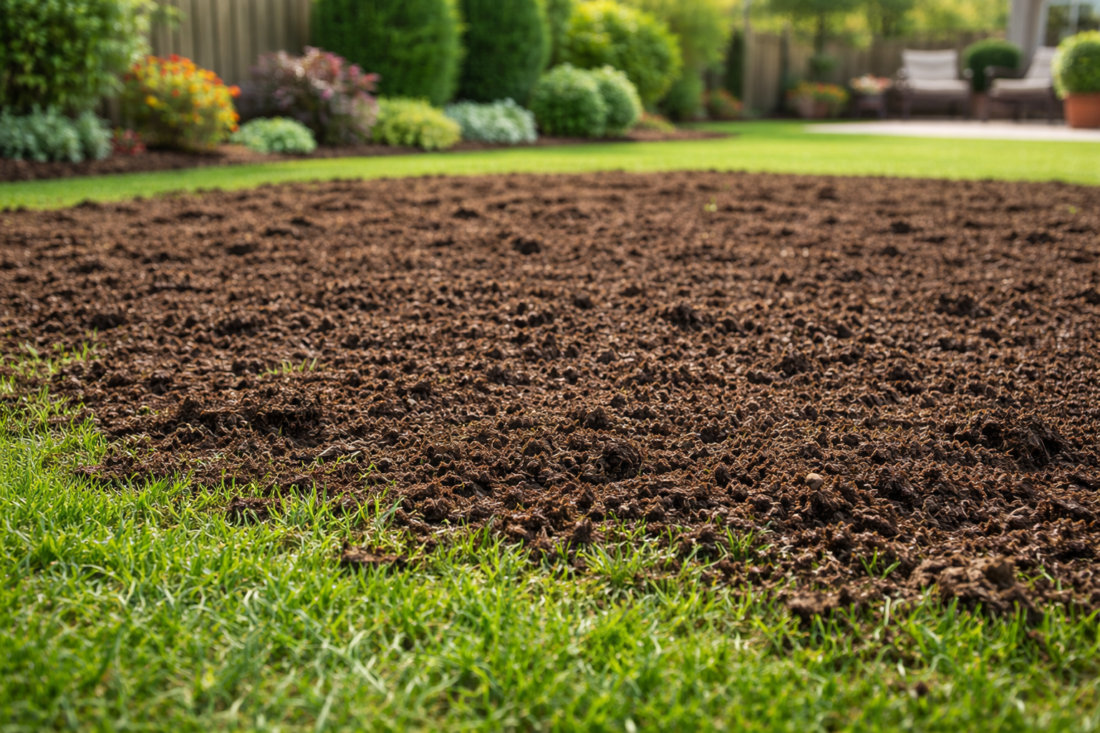
A lush, healthy lawn is every homeowner's dream, but compacted soil can quickly turn that dream into a frustrating reality. If you've noticed your DFW lawn struggling with poor drainage, thin grass growth, or water pooling on the surface, you're likely dealing with soil compaction. The good news? This common problem is entirely fixable with the right approach and timing.
Understanding how to address compacted soil properly is crucial for maintaining a thriving lawn in North Texas, where clay-heavy soil and extreme weather conditions create unique challenges. This comprehensive guide will walk you through everything you need to know about identifying, fixing, and preventing soil compaction in your DFW area lawn.
What Is Soil Compaction and Why It Hurts Your DFW Lawn
Soil compaction occurs when soil particles are pressed together, reducing the pore space between them. This compression creates a dense layer that acts like a barrier, preventing essential elements from reaching your grass roots. In healthy soil, tiny air pockets allow oxygen, water, and nutrients to flow freely to plant roots. When these spaces are eliminated through compaction, your lawn essentially suffocates.
The clay soil prevalent throughout the Dallas-Fort Worth metroplex is particularly susceptible to compaction. Clay particles are naturally fine and can pack together tightly when pressure is applied. Once compacted, clay soil becomes nearly impermeable, creating a host of problems for your lawn:
- Poor water infiltration: Water pools on the surface instead of soaking into the root zone
- Reduced oxygen availability: Grass roots can't access the oxygen they need for healthy growth
- Limited nutrient uptake: Fertilizers and organic matter can't penetrate to reach the roots
- Restricted root development: Roots struggle to expand through the hardened soil layer
- Increased runoff and erosion: Water runs off instead of being absorbed
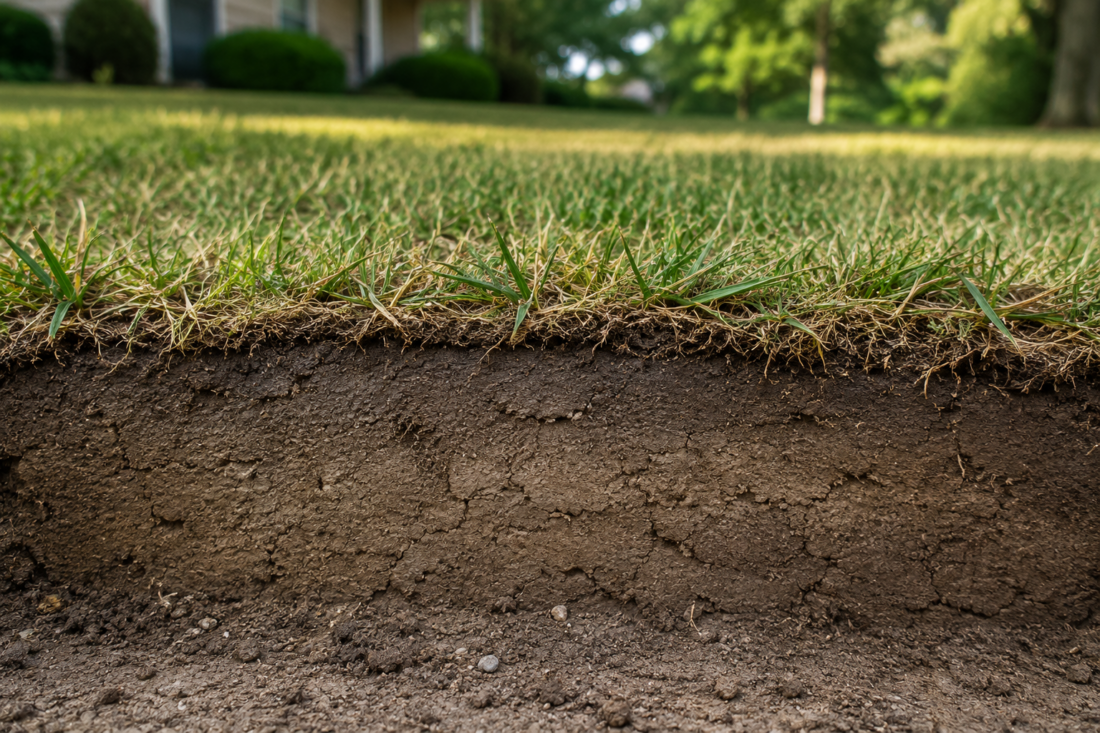
Common signs of compacted soil include water pooling after irrigation or rainfall, areas where grass appears thin or struggling, soil that feels rock-hard underfoot, and difficulty inserting garden tools into the ground. If you notice these symptoms in your lawn, it's time to take action.
Common Causes of Lawn Soil Compaction in North Texas
Understanding what causes soil compaction helps you prevent future problems and target your remediation efforts effectively. In the DFW area, several factors commonly contribute to this issue:
Heavy Foot Traffic
High-traffic areas from children playing, pets running, or frequent walking create repeated pressure on soil. Popular pathways between your house and mailbox, kids' play areas, and pet runs are particularly vulnerable to compaction.
Equipment and Vehicle Weight
Lawn mowers, especially heavier riding models, construction equipment, delivery trucks, or any vehicles driven on your lawn can cause significant compaction. Even temporary parking on grass during parties or home projects can create lasting damage.
DFW's Clay Soil Composition
The predominant clay soil in North Texas naturally compacts more easily than sandy or loamy soils. Clay particles are microscopic and fit together tightly when pressure is applied, creating dense, impermeable layers. Find out how to improve clay soil.
Excessive Watering
While proper irrigation is essential, overwatering can contribute to compaction problems. Waterlogged soil becomes soft and more susceptible to compression from foot traffic or equipment. This is particularly problematic during Texas summers when homeowners may overcompensate for heat stress.
Construction and Landscaping Activities
Home construction, major landscaping projects, or utility work can severely compact soil. Heavy machinery, material storage, and worker foot traffic during these projects often leave lasting compaction issues that affect lawn health for years.
How to Test for Compacted Soil in Your Lawn
Before implementing any treatment plan, you need to confirm that compaction is indeed your lawn's problem. Several simple tests can help you assess your soil condition:
The Screwdriver Test
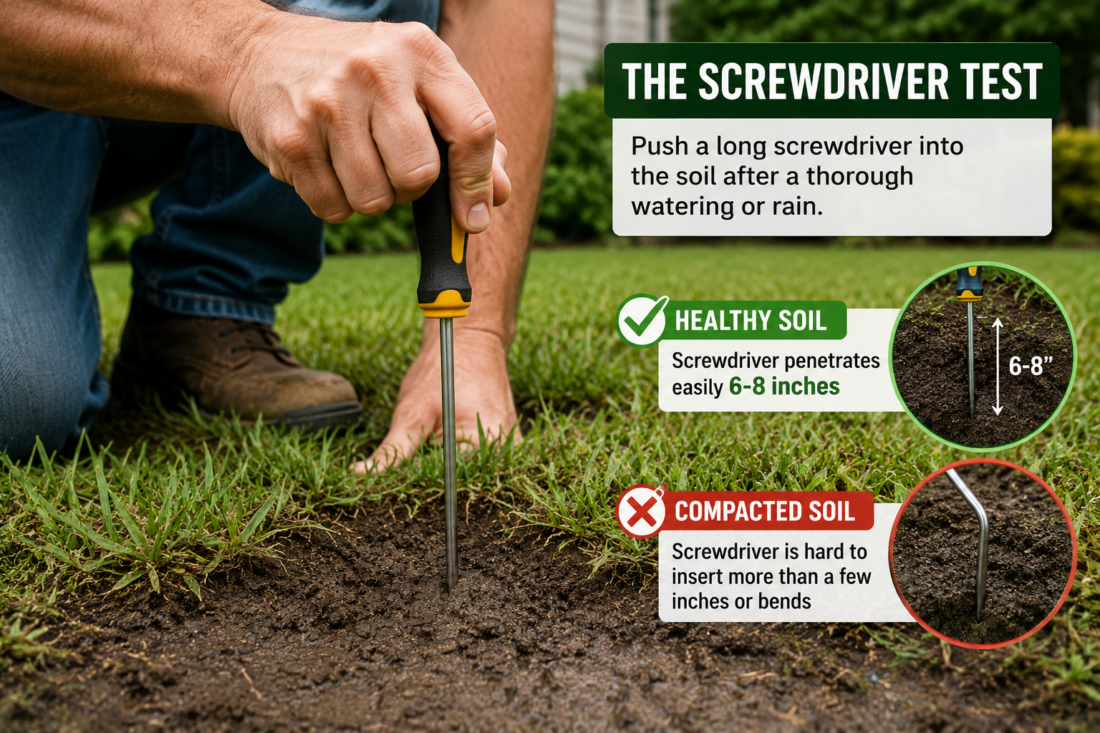
This is the quickest and most accessible method for homeowners. Take a long screwdriver or similar tool and try to push it into your soil after a thorough watering or rain. In healthy soil, the screwdriver should penetrate easily to a depth of 6-8 inches. If you struggle to insert it more than a few inches, or if it bends rather than penetrates, you likely have compaction issues.
Visual Inspection Indicators
Walk through your lawn and look for these telltale signs:
- Water pooling or slow drainage after rain or irrigation
- Bare spots or thin grass in high-traffic areas
- Soil that cracks when it dries out
- Areas where the ground feels unusually hard underfoot
- Poor grass color or growth in specific zones
Professional Soil Testing
For a comprehensive assessment, consider professional soil testing. These tests measure compaction levels, pH, nutrient content, and organic matter percentage. Many lawn care services in the DFW area offer this service, providing detailed recommendations based on your specific soil conditions.
Step-by-Step Methods to Fix Compacted Soil
Once you've confirmed compaction issues, several methods can restore your soil health. The best approach depends on the severity of compaction and your lawn's specific needs.
Core Aeration: The Gold Standard
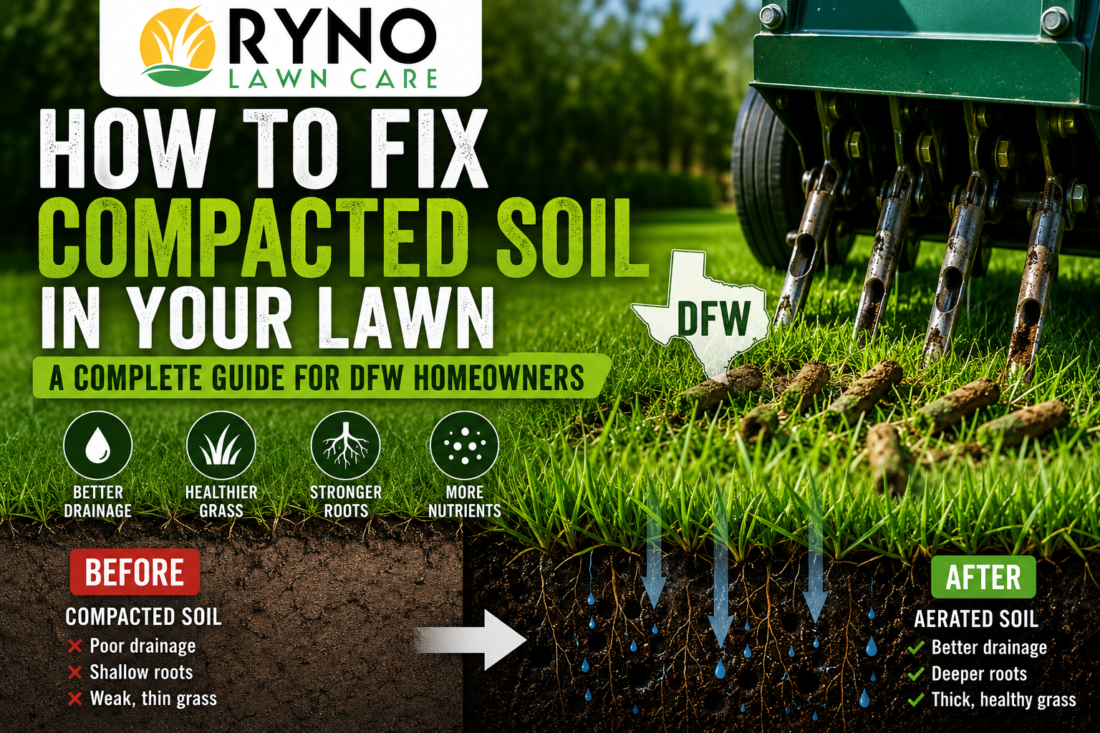
Core aeration is the most effective method for addressing moderate to severe compaction. This process involves removing small plugs of soil to create channels for air, water, and nutrients to penetrate.
| Aeration Method | Best For | DFW Timing | Frequency | Coverage |
|---|---|---|---|---|
| Professional Core Aeration | Severe compaction, large lawns | April-May, September-October | Annually | Entire lawn |
| Machine Rental | Moderate compaction, DIY approach | April-May, September-October | Annually | Entire lawn |
| Manual Spike Aeration | Light compaction, small areas | Spring through fall | As needed | Problem areas |
| Liquid Aeration | Maintenance, clay soil | Growing season | Monthly | Entire lawn |
In North Texas, the ideal times for core aeration are late spring (April-May) and early fall (September-October) when grass is actively growing but temperatures aren't extreme.
Topdressing with Organic Matter
After aeration, apply a thin layer (¼ to ½ inch) of high-quality compost or organic matter. This material will work down into the aeration holes, improving soil structure and providing nutrients. For DFW's clay soil, avoid sand-only amendments, which can create a concrete-like mixture when combined with clay.
Overseeding Strategy
Combine aeration with overseeding to promote thick, healthy grass growth. Choose grass varieties suited to North Texas conditions, such as Bermuda grass for sunny areas or St. Augustine for partial shade. The aeration holes provide perfect seed-to-soil contact for improved germination.
Ongoing Soil Amendment
Regular applications of organic matter help prevent future compaction. Consider these options:
- Quarterly compost topdressing (We can do the topdressing for you!)
- Bi-annual application of aged manure
- Monthly liquid organic matter treatments
- Annual soil conditioner applications
Preventing Future Soil Compaction
Prevention is always more effective and less expensive than remediation. Implement these strategies to protect your lawn from future compaction:
Traffic Management
Create designated walkways using stepping stones, gravel paths, or decorative pavers to direct foot traffic away from grass areas. Install fencing or barriers around vulnerable areas during parties or construction projects. Need help? Head over to our Landscaping services page.
Smart Watering Practices
Deep, infrequent watering encourages strong root development and reduces soil saturation that leads to compaction. In the DFW area, this typically means watering 2-3 times per week during summer months, applying 1-1.5 inches total per week. Go to our irrigation service page.
Regular Organic Matter Addition
Maintain soil health through consistent organic matter applications. This ongoing practice improves soil structure, increases beneficial microbial activity, and creates natural resistance to compaction.
Seasonal Maintenance Schedule
Develop a year-round maintenance routine:
- Spring: Light aeration, overseeding, compost application
- Summer: Proper watering, traffic management
- Fall: Major aeration, soil amendments, preparation for dormancy
- Winter: Planning, avoiding traffic on frozen ground
When to Call Professional Lawn Care Services in DFW
While many compaction issues can be addressed through DIY methods, certain situations warrant professional intervention. Consider calling experts when:
- Compaction covers large lawn areas
- Previous DIY attempts haven't shown improvement
- You lack the time or physical ability for manual aeration
- Your lawn has multiple complex issues beyond compaction
- You need specialized equipment for effective treatment
Professional lawn care services bring specialized equipment, experience with DFW soil conditions, and comprehensive treatment approaches. They can combine aeration with soil testing services, targeted fertilization, and seasonal lawn care programs for optimal results.
At Ryno Lawn Care, we understand the unique challenges of North Texas clay soil and have developed proven strategies for addressing compaction issues throughout the DFW metroplex. Our professional aeration services use commercial-grade equipment to ensure thorough treatment, and we follow up with appropriate soil amendments and ongoing maintenance recommendations.
Frequently Asked Questions
How often should I aerate compacted soil in my DFW lawn?
For most DFW lawns with clay soil, annual core aeration is sufficient for maintenance. However, high-traffic areas or severely compacted soil may benefit from bi-annual treatment during the first year or two. The best times are late spring (April-May) and early fall (September-October) when grass is actively growing.
Can I fix compacted soil without professional equipment?
Yes, but effectiveness depends on the severity of compaction. Manual spike aerators work for light compaction in small areas, while liquid aeration products can help with maintenance. However, severely compacted clay soil typically requires mechanical core aeration for meaningful improvement.
What's the best time of year to address soil compaction in North Texas?
Early fall (September-October) is ideal for major compaction treatment in North Texas. The weather is cooler, grass is actively growing, and there's time for recovery before winter dormancy. Spring (April-May) is the second-best option, allowing treatment before summer heat stress.
How do I know if my clay soil is too compacted for grass to grow?
If you cannot insert a screwdriver more than 2-3 inches into moist soil, if water sits on the surface for hours after rain, or if bare spots persist despite proper care, your soil compaction is severe enough to prevent healthy grass growth. These conditions require immediate intervention.
Will adding sand help with my compacted clay soil problem?
Never add sand alone to clay soil. This combination creates a concrete-like mixture that's even worse for drainage and root penetration. Instead, use organic matter like compost, which improves clay soil structure naturally. If sand is used, it must be part of a proper soil amendment mixture with significant organic content.

Michelle Valdivia
I am a content manager with several years of experience creating and managing website content across a variety of industries. Since 2021, I have specialized in developing clear, engaging, and informative content for service-based businesses. With a background in education, I bring a strong focus on clarity and communication to my work. I also enjoy learning about landscaping and lawn care and translating that knowledge into helpful resources for homeowners.