
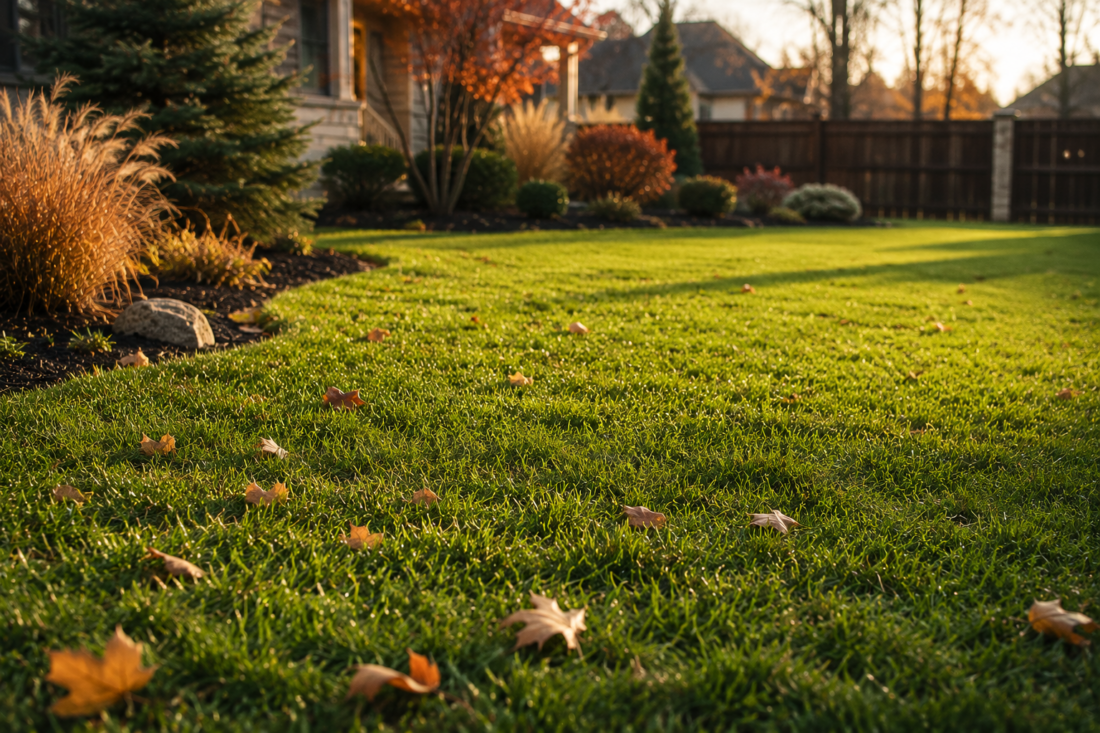
Winter lawn care in North Texas looks a little different than it does in colder parts of the country. Our winters are generally mild, but freezing temperatures, occasional ice or snow, dry conditions, and sudden temperature swings can still stress your lawn.
Knowing how to prepare your lawn for winter can help protect your grass during dormancy and give it a better chance of returning healthy and green when temperatures warm in spring.
The key is to prepare before winter arrives—not after your lawn has already gone dormant.
Don’t let fallen leaves pile up and smother your lawn this fall. Ryno Lawn Care, LLC offers professional leaf cleanup services to remove leaves and seasonal debris, helping keep your North Texas lawn clean, healthy, and ready for winter. Save yourself the hours of raking and hauling. Contact Ryno Lawn Care today to schedule your fall leaf cleanup service.
How Do You Prepare a Lawn for Winter?
To prepare a North Texas lawn for winter, continue mowing as needed in fall, remove leaves and debris, adjust irrigation, address weeds, prepare outdoor equipment for freezing temperatures, and avoid practices that could unnecessarily stress warm-season grass as it enters dormancy.
Here's a quick overview:
| Winter Lawn Care Task | What to Do | Why It Matters |
|---|---|---|
| Remove leaves and debris | Keep the lawn relatively clear | Prevents grass from being smothered |
| Continue mowing | Mow while grass is actively growing | Keeps the lawn maintained without scalping |
| Control fall weeds | Address weeds before winter when appropriate | Helps reduce winter weed problems |
| Adjust irrigation | Reduce watering as growth and water demand decline | Prevents unnecessary overwatering |
| Protect irrigation equipment | Prepare exposed components for freezing weather | Reduces risk of freeze damage |
| Limit winter traffic | Avoid excessive traffic on dormant or frozen grass | Helps prevent turf damage |
| Plan for spring | Identify thin, bare, or problem areas | Makes spring lawn care easier |
1. Remove Leaves, Furniture, and Debris From Your Lawn
One of the easiest ways to prepare your lawn for winter is simply to keep it clean.
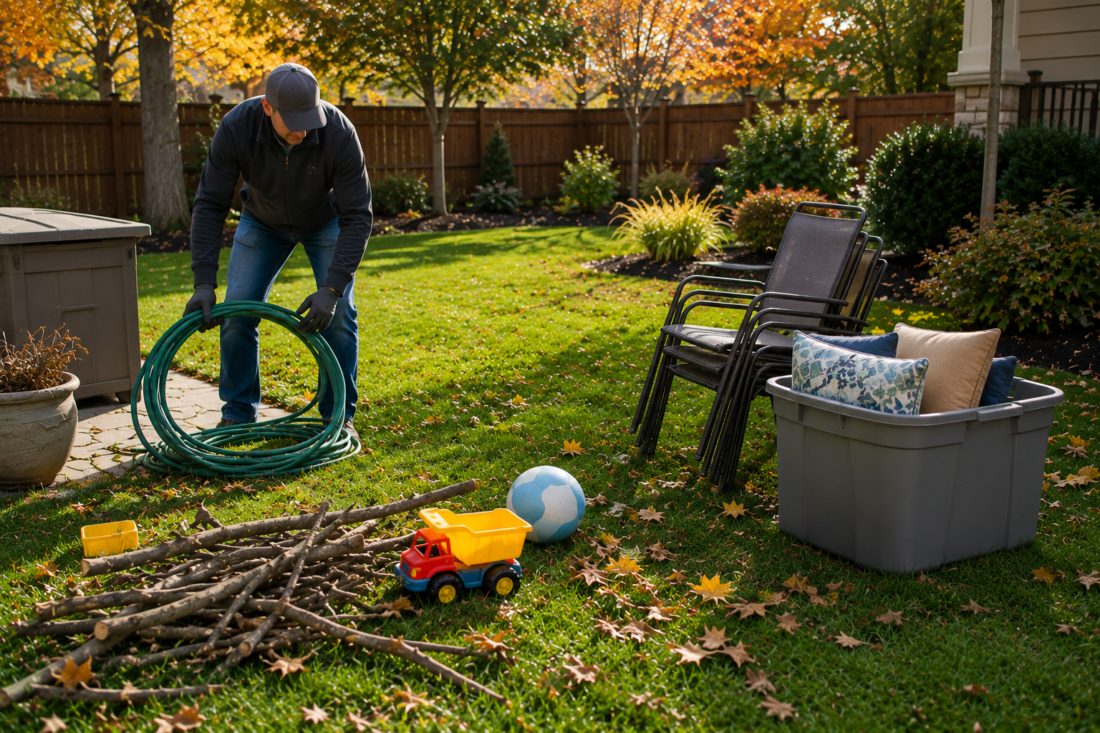
Remove excessive leaves, branches, toys, hoses, lawn furniture, decorations, and other objects that will remain in the same place for extended periods.
Objects left sitting on grass can block sunlight and airflow and keep the turf compressed. By spring, you may discover thin, yellow, or bare areas underneath them.
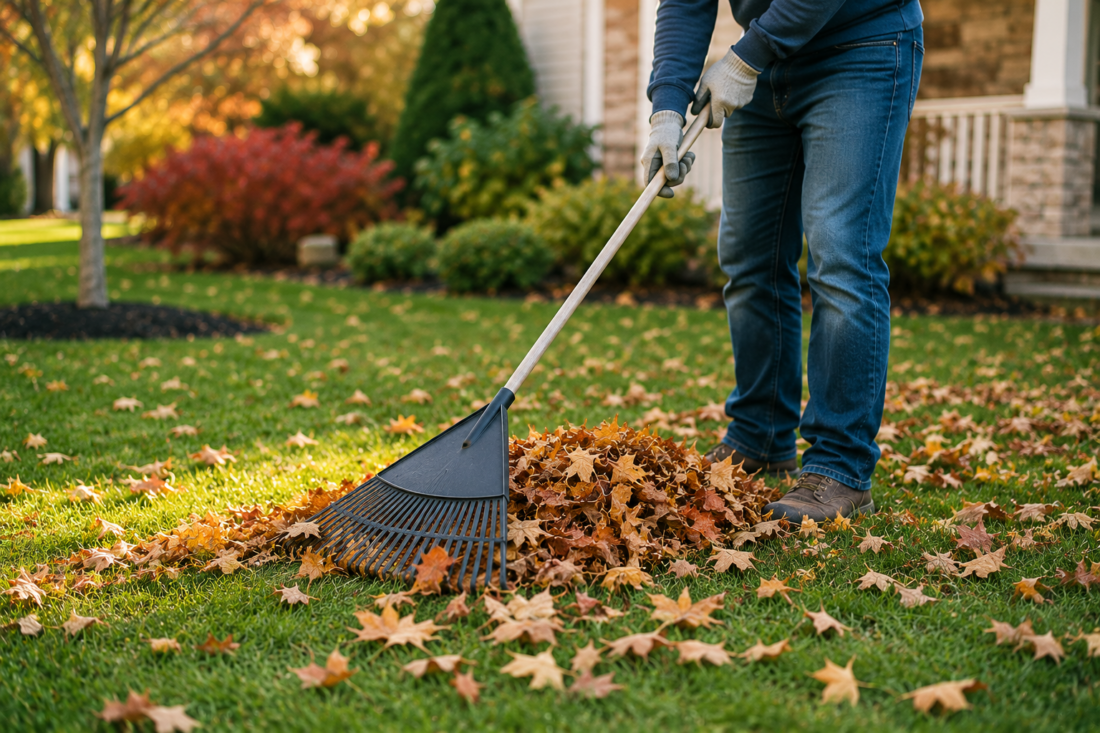
Fallen leaves can cause similar problems when they're allowed to accumulate into a thick layer. Regular leaf cleanup helps prevent the lawn from becoming smothered as it approaches dormancy.
2. Continue Mowing Until Your Grass Stops Growing
Don't put the lawn mower away simply because fall has arrived.
North Texas warm-season grasses such as Bermuda, St. Augustine, and Zoysia may continue growing until cooler temperatures significantly slow their growth and eventually push them into dormancy.
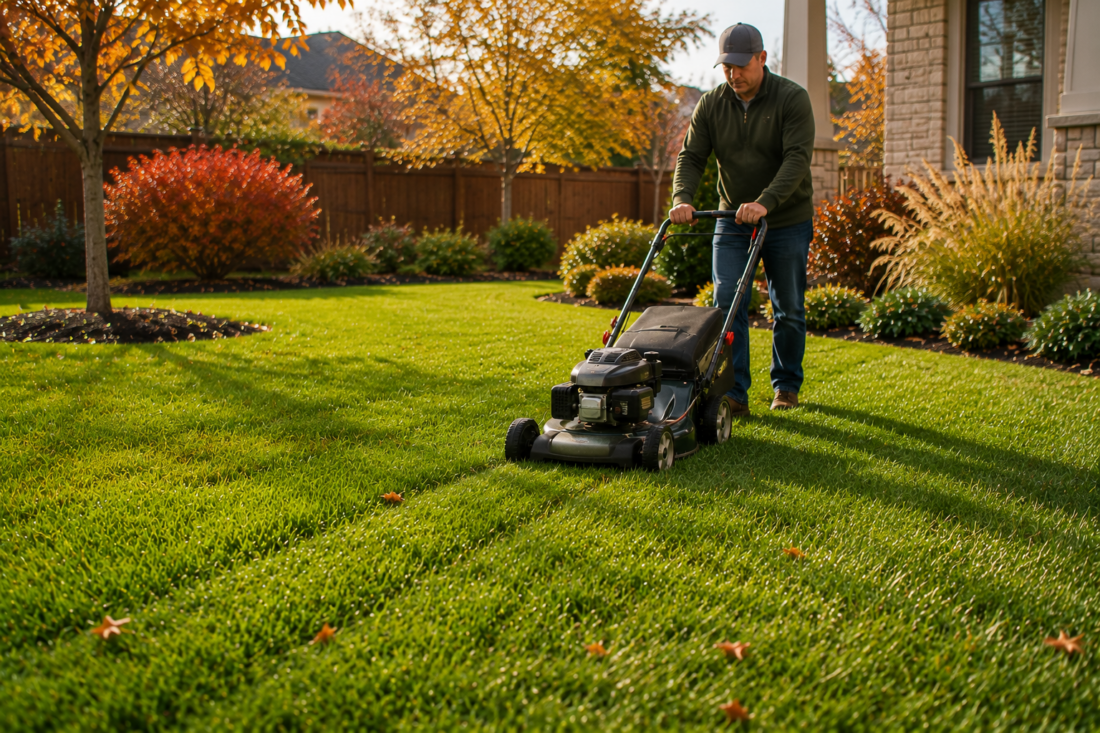
Continue mowing as necessary while the lawn is actively growing.
However, the old advice to cut your lawn extremely short before winter isn't appropriate for every grass type. Avoid scalping your lawn simply because winter is approaching.
Maintain an appropriate mowing height for your particular grass variety and continue following the one-third rule: don't remove more than approximately one-third of the grass blade in a single mowing.
3. Don't Leave Your Grass Too Long for Winter
Although scalping isn't recommended, you also don't want to completely abandon mowing during late fall.
Overgrown grass can become matted and create an untidy lawn as it enters dormancy. Maintaining the lawn properly until growth stops gives you a cleaner, healthier-looking landscape going into winter.
The appropriate final mowing height depends on your grass variety rather than one universal number.
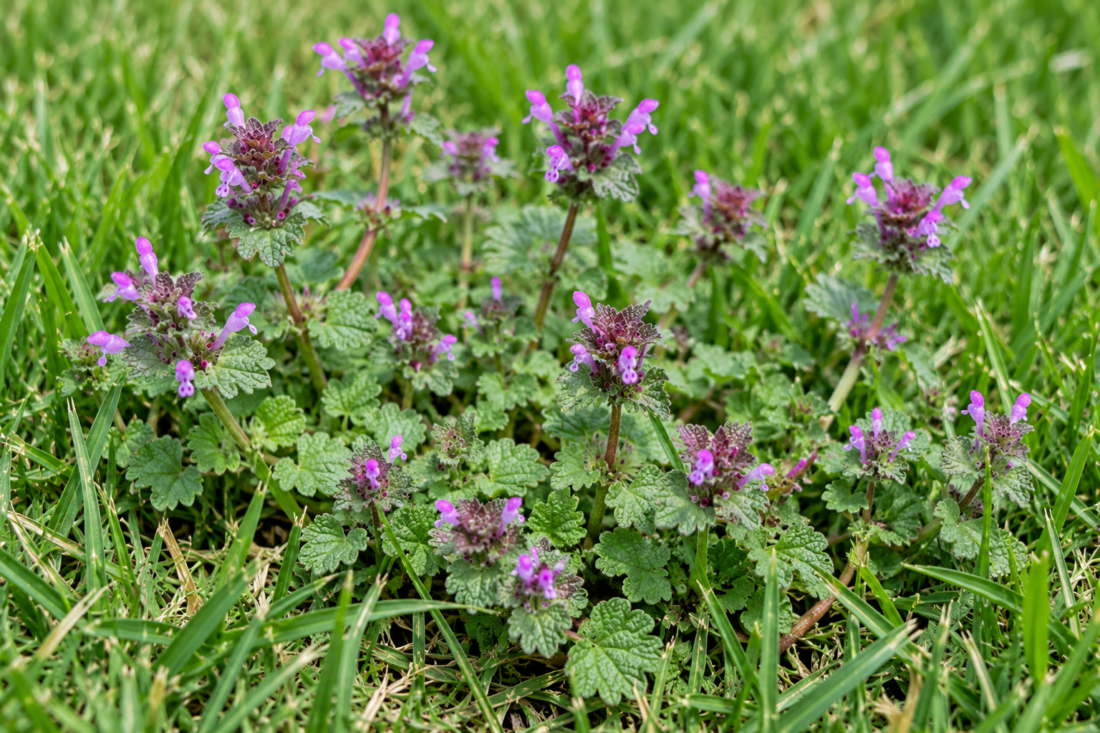
5. Address Fall and Winter Weeds
Winter doesn't necessarily mean the end of weeds in North Texas.
Cool-season weeds can become a problem while warm-season turf is dormant. Depending on the lawn and time of year, a properly timed pre-emergent weed control treatment may help prevent certain weeds from germinating.
Existing weeds require a different approach because pre-emergent products are designed to prevent germination rather than kill established weeds.
The appropriate treatment depends on the weed species, grass type, weather, and timing, so avoid applying herbicides without first knowing what you're treating.
Take a look at our weed identification guide to find out which weeds are plaguing your lawn.
6. Be Careful About Overseeding or Reseeding Bare Areas
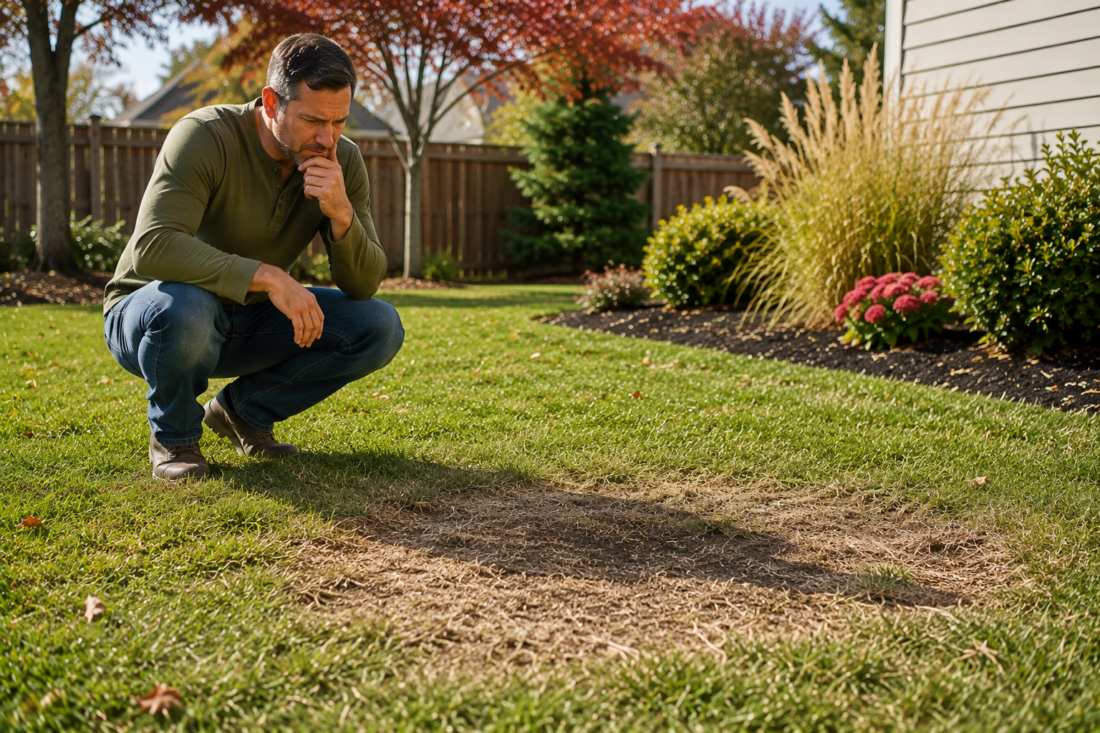
The original advice to simply reseed bare areas before the first frost needs an important North Texas clarification.
Many local lawns consist of warm-season grasses, and these grasses aren't necessarily best established from seed immediately before winter.
For example, Bermuda establishment is generally better suited to warmer growing conditions. St. Augustine is typically established vegetatively through sod or plugs rather than commonly seeded as a residential lawn.
Some homeowners intentionally overseed warm-season lawns with a cool-season grass such as ryegrass for temporary winter color, but that's a separate lawn-care strategy and isn't necessary for every property.
For permanent bare spots, it may be better to determine why the area became bare and choose the appropriate repair method and season rather than automatically spreading seed in fall.
7. Adjust Your Lawn Watering Schedule
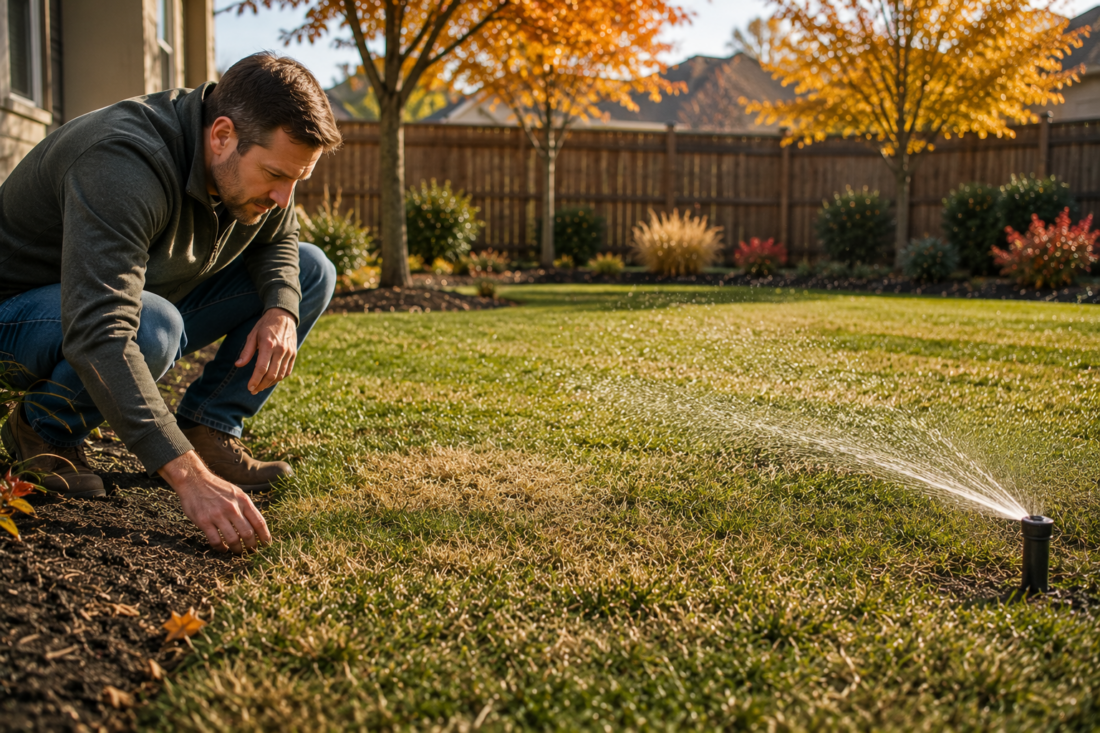
Your lawn's water requirements change as temperatures fall and growth slows.
Continuing a summertime irrigation schedule into late fall and winter can result in unnecessary watering.
Instead, adjust irrigation according to rainfall, temperature, soil conditions, and your lawn's actual needs.
Dormant grass isn't dead, and roots can still require moisture during prolonged dry periods. The goal is to avoid both excessive watering and allowing the soil to remain severely dry for extended periods.
8. Prepare Your Sprinkler System for Freezing Temperatures
North Texas may not experience months of continuous freezing weather, but sudden hard freezes are still possible.
Inspect your irrigation system and protect vulnerable above-ground components before freezing temperatures arrive. Disconnect hoses from outdoor faucets and take appropriate precautions for exposed plumbing and irrigation equipment.
Taking care of these items before a freeze is much easier than dealing with damaged equipment afterward.
9. Drain and Store Garden Hoses
Before storing garden hoses, drain as much water as possible and disconnect them from outdoor faucets.
Water trapped inside a hose or connected fixture can freeze when temperatures drop.
This is also a good opportunity to clean and organize lawn equipment, hand tools, sprayers, and other gardening supplies so they're ready when spring arrives.
10. Avoid Heavy Traffic on Dormant or Frozen Grass
Once your warm-season lawn becomes dormant, it isn't actively repairing itself at the same rate it does during the growing season.
Try to minimize unnecessary traffic across dormant turf, particularly when the ground or grass is frozen.
Repeated traffic can flatten dormant grass and contribute to worn areas that may remain visible until active growth resumes.
Should You Fertilize Your Lawn Before Winter?
This is another area where timing matters.
More fertilizer isn't automatically better, particularly as warm-season turf approaches dormancy. Fertilizer selection and timing should be based on your grass species, soil conditions, and the time of year.
A soil test can help identify actual nutrient deficiencies rather than relying on guesswork.
For North Texas homeowners, a professional lawn care program can also help ensure seasonal fertilizer applications are timed for local conditions and the type of turf growing in the yard.
When Does Grass Go Dormant in North Texas?
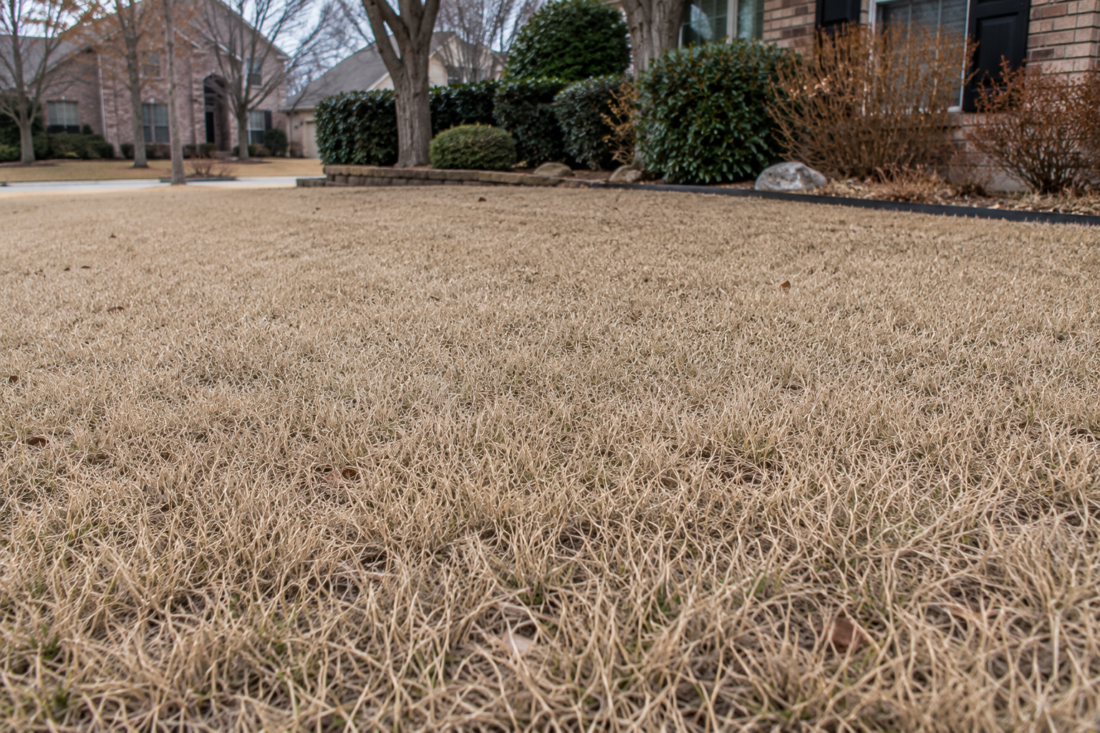
Warm-season grasses typically begin slowing down as temperatures fall. Eventually, Bermuda and other warm-season grasses may turn tan or brown as they enter dormancy.
The exact timing varies from year to year because soil and air temperatures—not the calendar alone—drive the transition into dormancy.
A brown winter lawn isn't necessarily a dead lawn. For many North Texas warm-season grasses, seasonal browning is a normal part of the annual growth cycle.
What Should You NOT Do to Your Lawn Before Winter?
Several common mistakes can make winter harder on your lawn.
Avoid dramatically scalping healthy grass, leaving thick layers of leaves on the lawn, continuing a heavy summertime irrigation schedule unnecessarily, applying lawn products without considering grass type and timing, and assuming every bare area should be seeded immediately before winter.
Winter preparation should protect the lawn rather than force new growth when warm-season turf is naturally slowing down.
North Texas Winter Lawn Care Checklist
Before winter arrives, make sure you've completed your final seasonal mowing as needed, removed excessive leaves and debris, moved objects that could smother the grass, adjusted irrigation, disconnected garden hoses, addressed appropriate weed-control needs, checked exposed irrigation components, and identified problem areas that may need attention in spring.
Once those jobs are complete, your warm-season lawn can move into dormancy with fewer preventable stresses.
Frequently Asked Questions About Preparing a Lawn for Winter
Should I cut my grass short before winter?
Don't automatically scalp your lawn before winter. Continue mowing at an appropriate height for your grass variety while it is actively growing. Avoid removing more than one-third of the grass blade at once.
Should I leave grass clippings on my lawn during winter?
Normal, finely chopped clippings can generally decompose naturally. However, thick clumps of wet grass or other material should be dispersed or removed so they don't smother the turf.
Should I water my lawn during winter in North Texas?
Your lawn generally needs less water as temperatures fall and growth slows, but prolonged dry conditions can still require supplemental irrigation. Watering should be based on weather and soil moisture rather than following a summertime schedule all winter.
Should I fertilize my lawn before winter?
Fertilization should be based on your grass type, soil needs, and proper seasonal timing. Avoid applying fertilizer simply because winter is approaching.
Can I seed bare spots before winter?
It depends on the grass species and your goal. Warm-season grasses are generally better established during warmer growing conditions. Determine the grass type and cause of the bare area before deciding when and how to repair it.
Do I need to remove leaves from my lawn before winter?
Yes, excessive leaf accumulation should be removed or mulched. Thick, wet layers of leaves can block sunlight, reduce airflow, and smother the grass underneath.
Get Your North Texas Lawn Ready for Winter
Preparing your lawn for winter doesn't require complicated maintenance, but timing matters. A few smart steps during fall can protect your turf through dormancy and put you in a better position when spring growth begins.
Ryno Lawn Care, LLC provides professional lawn care services for North Texas homeowners who want help maintaining their lawns throughout the changing seasons. From seasonal lawn maintenance and weed control to preparing your turf for the months ahead, professional care can help keep your property looking its best year-round.

Blog Admin
Hello, hope you enjoy these blog posts and get some useful lawn care tips from reading the info. Let me know if you have any questions or comments below.