

Maintaining a lush, healthy lawn in Grapevine, Texas requires understanding the unique challenges and opportunities that come with North Texas's distinctive climate and soil conditions. Grapevine homeowners face specific lawn care challenges that demand expert knowledge and strategic planning. Whether you're a new resident or a longtime homeowner looking to improve your lawn's health, this comprehensive guide will provide you with the essential knowledge needed for successful grapevine lawn care.
Understanding Grapevine's Unique Lawn Care Climate
The area presents both advantages and challenges, especially with its intense summer heat and dense clay soil. Here’s a quick breakdown of what homeowners should know:
Best Grass Types for Grapevine Lawns
Selecting the right grass type is crucial for successful lawn care in Grapevine's challenging climate. Each variety offers unique benefits and maintenance requirements suited to different homeowner preferences and landscape conditions.
| Grass Type | Heat Tolerance | Drought Resistance | Shade Tolerance | Maintenance Level | Best For |
|---|---|---|---|---|---|
| Bermuda Grass | Excellent | High | Poor | Medium-High | Full sun areas, high traffic |
| St. Augustine | Good | Medium | Excellent | Medium | Shaded areas, established neighborhoods |
| Zoysia Grass | Excellent | High | Good | Low-Medium | Water conservation, low maintenance |
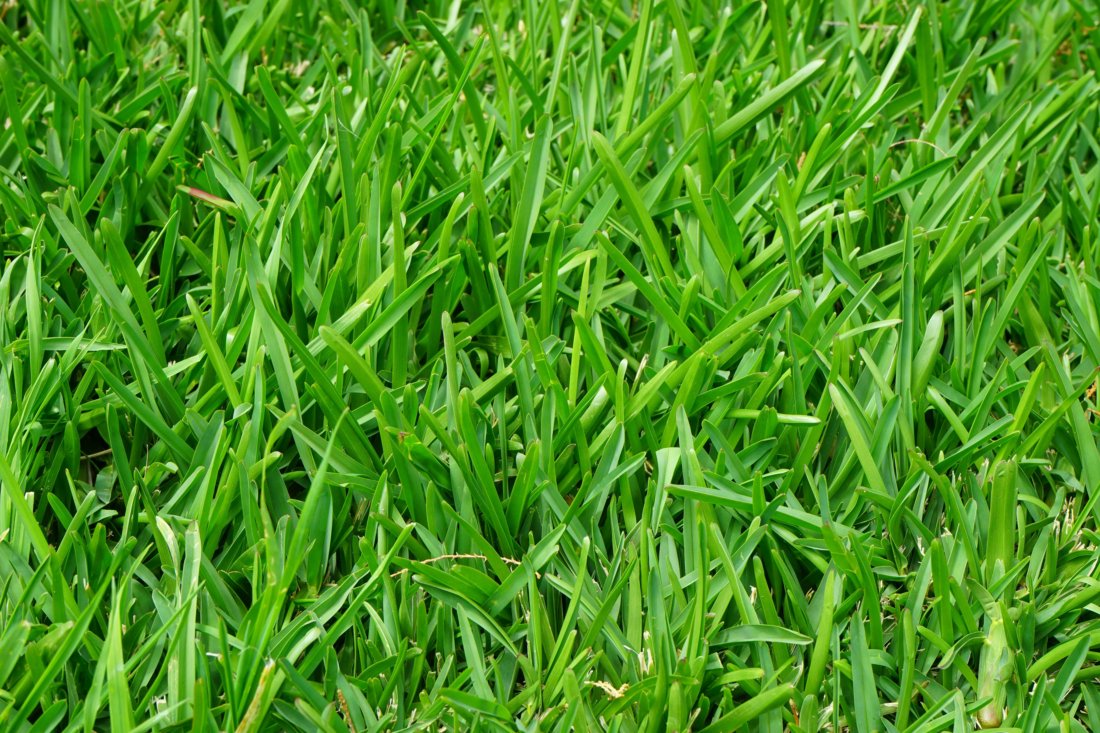
Bermuda grass remains the most popular choice for Grapevine homeowners seeking a durable, heat-resistant lawn. This warm-season grass thrives in full sunlight and can withstand heavy foot traffic, making it ideal for families with children and pets. However, Bermuda grass requires consistent watering during summer months and regular fertilization to maintain its vibrant green color.
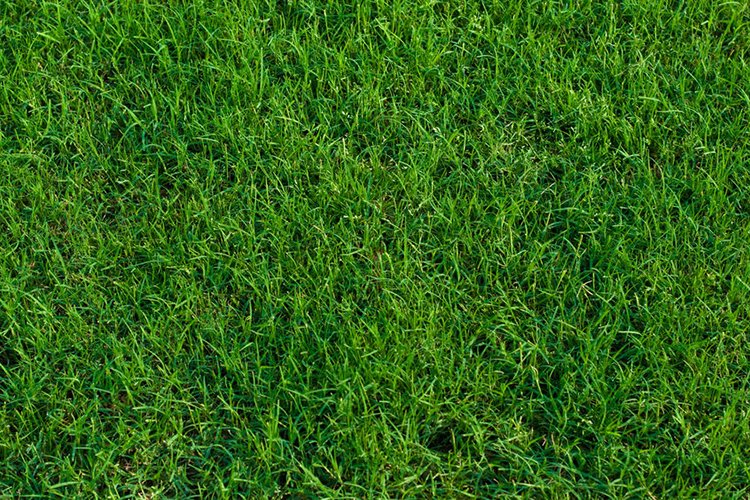
St. Augustine grass excels in Grapevine's many tree-lined neighborhoods where shade coverage limits other grass varieties. Its broad, thick blades create a lush carpet effect, but St. Augustine grass does require more water and is susceptible to chinch bug infestations.
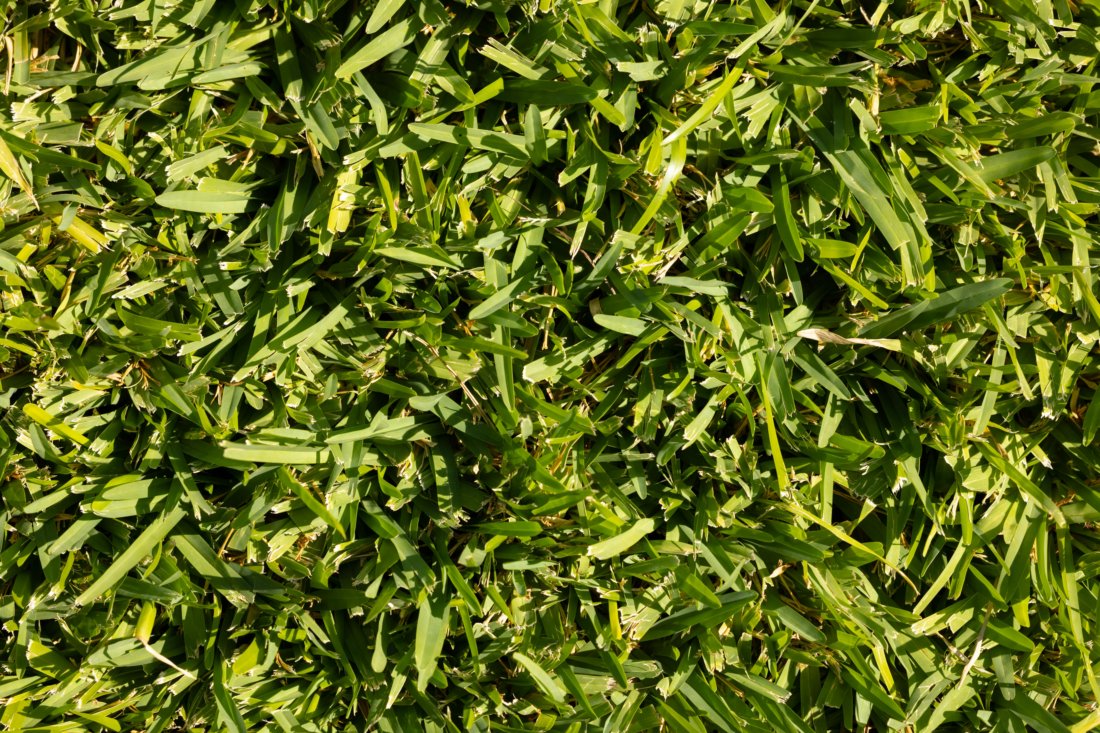
Zoysia grass offers an excellent balance of drought resistance and aesthetic appeal, though it establishes slowly and can be more expensive initially. Once established, zoysia grass requires minimal maintenance and provides excellent weed resistance.
Seasonal Lawn Care Schedule for Grapevine Homeowners
Successful grapevine lawn care requires following a strategic seasonal schedule that addresses the specific needs of North Texas grass varieties throughout the year.
Spring Preparation (March-May)
- Early March: Apply pre-emergent herbicide to prevent summer weeds like crabgrass and dallisgrass
- Mid-March: Begin regular watering as temperatures consistently reach 70°F
- April: Start weekly mowing schedule and apply first fertilizer application
- Late April-May: Overseed thin areas and address any winter damage
- May: Increase watering frequency as temperatures rise
Summer Maintenance (June-August)
- June: Implement deep, infrequent watering schedule (2-3 times per week)
- July: Monitor for chinch bugs and grub activity
- August: Avoid fertilizing during peak heat stress periods
- Throughout summer: Maintain proper mowing height to protect grass roots
Fall Recovery (September-November)
- September: Resume fertilization program and overseed if needed
- October: Apply second pre-emergent treatment for winter weeds
- November: Final fertilizer application and gradual reduction in watering frequency
Winter Dormancy Management (December-February)
- December: Reduce watering to monthly deep soakings
- January-February: Plan for spring improvements and equipment maintenance
- Late February: Begin preparing for spring pre-emergent application
Common Grapevine Lawn Problems and Solutions
Grapevine's climate and soil conditions create specific lawn care challenges that require targeted solutions and preventive measures.
Chinch Bug Infestations
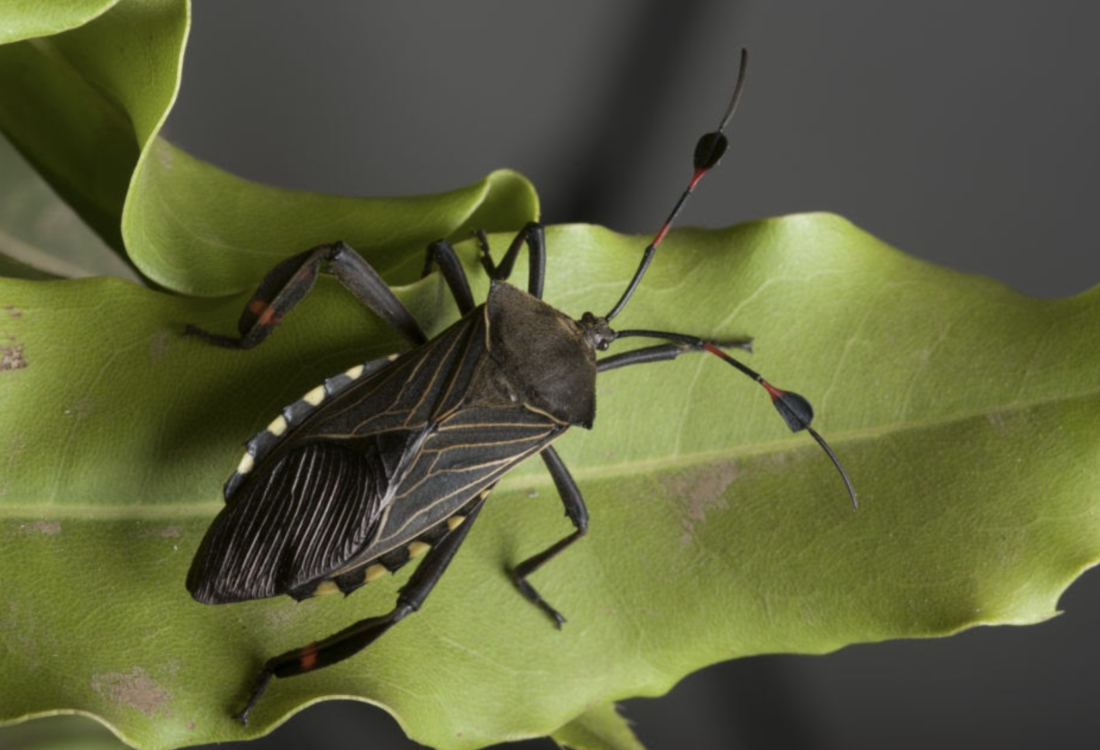
These tiny insects cause significant damage to St. Augustine grass during hot summer months. Signs include irregular brown patches that spread outward from sunny areas. Professional pest control services can provide targeted treatments, while preventive measures include proper fertilization and avoiding over-watering.
Brown Patch Fungus
High humidity combined with warm temperatures creates ideal conditions for brown patch disease. This fungal infection appears as circular brown patches with darker outer rings. Improve air circulation, reduce evening watering, and consider professional disease treatment services for severe cases.
Grub Damage
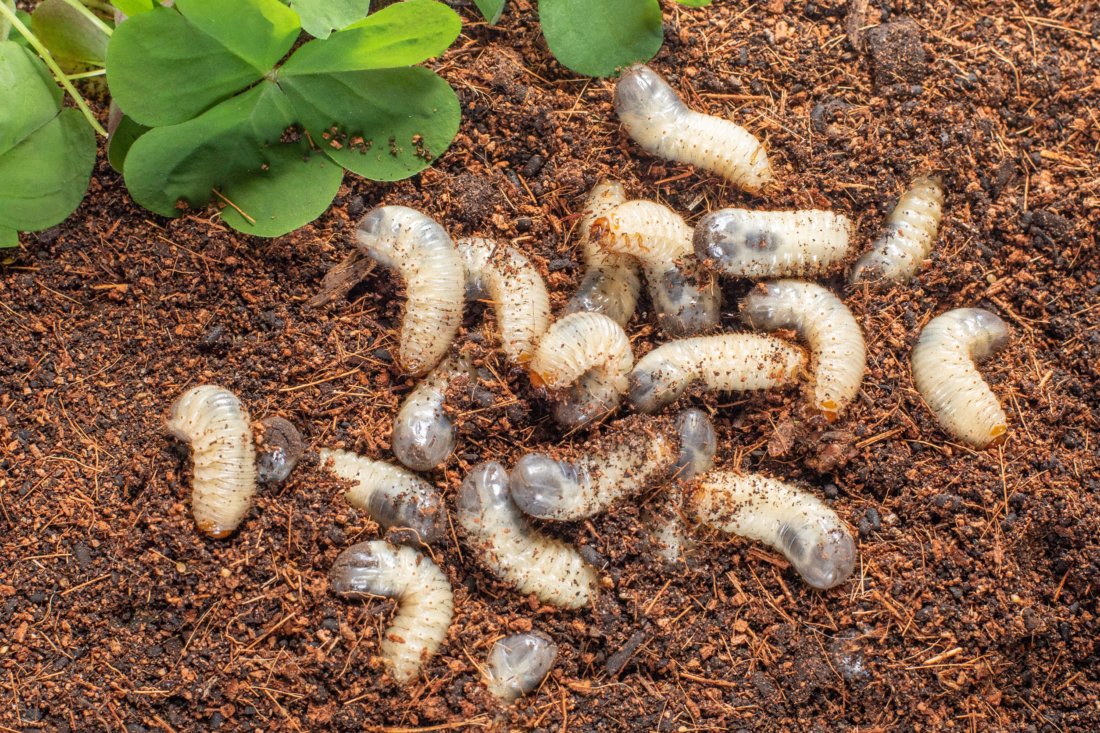
White grubs feed on grass roots, creating patches of dead turf that pull up easily. Peak damage occurs in late summer when grubs are most active. Apply beneficial nematodes or consider professional grub control treatments during early summer months. Find out how to control grub worms in lawn.
Heat Stress and Drought Damage
Extended periods above 100°F can stress even drought-tolerant grasses. Implement deep watering strategies, raise mowing heights, and avoid heavy fertilization during peak summer stress periods. Learn how to fix heat stress in lawns.
Professional vs. DIY Lawn Care in Grapevine
Deciding between professional lawn care services and do-it-yourself maintenance depends on several factors specific to Grapevine homeowners.
Cost Considerations
Professional lawn care services typically range from $100-300 per month, depending on lawn size and service level. DIY approaches require initial equipment investments ($500-2000) plus ongoing product costs ($200-500 annually). Factor in your time value when calculating true costs.
Expertise and Equipment Access
Professional services provide access to commercial-grade equipment and products not available to consumers. They also offer expert diagnosis of complex problems like disease identification and soil deficiencies. DIY enthusiasts must invest time in learning proper techniques and troubleshooting issues.
When to Call Professionals
Consider professional intervention for:
- Complex lawn disease, lawn pest identification and treatment,
- Major lawn renovations like sod installations
- Irrigation system installation or repair
- Soil testing, amendment recommendations, and top dressing services
- HOA compliance and municipal ordinance requirements
Water-Wise Lawn Care Practices
Water conservation remains a critical concern for Grapevine homeowners, especially during summer drought periods and municipal water restrictions.
City of Grapevine Water Guidelines
The city implements seasonal watering restrictions, typically allowing irrigation on specific days based on address numbers. During Stage 2 drought conditions, outdoor watering may be limited to once weekly. Stay informed about current restrictions through Grapevine's watering conservation and restrictions page.
Efficient Irrigation Strategies
Install smart irrigation controllers that adjust watering based on weather conditions and soil moisture levels. Consider upgrading to professional irrigation systems with zone-specific controls and rain sensors. Water early morning (4-6 AM) to minimize evaporation losses.
Drought-Resistant Landscaping Integration
Incorporate native Texas plants and xeriscaping elements to reduce overall water consumption while maintaining curb appeal. Buffalo grass and native wildflower areas can provide attractive alternatives to traditional high-maintenance turf areas.
Frequently Asked Questions
What is the best time to plant new grass in Grapevine, Texas?
The optimal time for planting warm-season grasses in Grapevine is late spring through early summer (April through June) when soil temperatures consistently reach 65-70°F.
How often should I water my lawn during Grapevine's hot summers?
During peak summer months, water established lawns 2-3 times per week with deep, infrequent applications of 1-1.5 inches total per week. Water early morning (4-6 AM) to minimize evaporation.
What are the most common lawn diseases in the Grapevine area?
The most prevalent lawn diseases in Grapevine include brown patch fungus (affecting all grass types during humid conditions), gray leaf spot (primarily St. Augustine grass), and take-all root rot (St. Augustine grass in alkaline soils). Spring dead spot can affect Bermuda grass, while fairy ring mushrooms may appear after heavy rainfall periods.
Do I need a permit for lawn irrigation systems in Grapevine?
Yes, the City of Grapevine requires permits for new irrigation system installations that connect to municipal water supplies. The permit process includes plan review, backflow prevention device installation, and final inspection. Contact the city's Development Services Department for current requirements and fees. Professional irrigation contractors typically handle permit applications as part of their service.
When should I apply pre-emergent herbicide in North Texas?
Apply the first pre-emergent treatment in early March when soil temperatures reach 55-60°F consistently. This timing prevents summer weeds like crabgrass and dallisgrass. Apply a second treatment in early fall (late September to early October).
Final Thoughts
Maintaining a beautiful lawn in Grapevine requires understanding the unique challenges and opportunities presented by North Texas's climate and soil conditions. Whether you choose professional services or prefer hands-on lawn care, following these guidelines will help you achieve the lush, healthy lawn that enhances your home's curb appeal and provides enjoyment for your family throughout the year.
Sources:
- Texas A&M AgriLife Extension Service - Lawn Care Guidelines for North Texas
- City of Grapevine Municipal Code - Water Conservation Ordinances
- National Weather Service - DFW Climate Data and Historical Averages

Michelle Valdivia
Michelle brings expertise in educational communication to lawn care content creation. She holds degrees in Human Development and Family Studies and Education. Over four years, she has created professional web content for landscaping and lawn care businesses, collaborating with experienced lawn care teams to ensure each blog post is rooted in real-world expertise.