
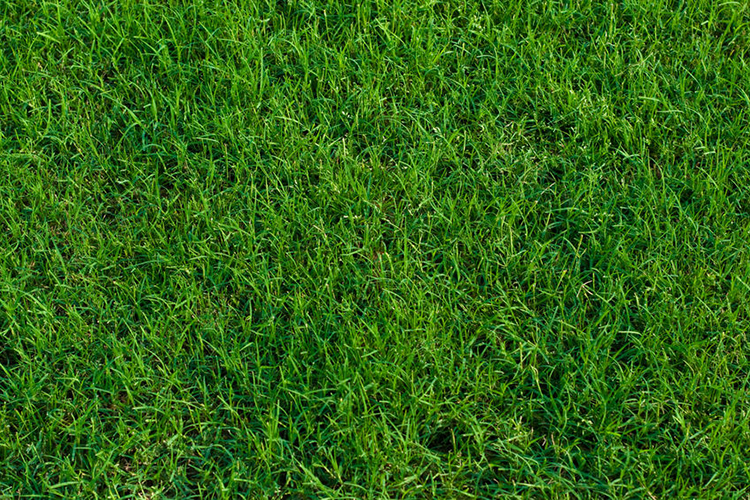
If you're a Dallas-Fort Worth homeowner struggling with patchy, thin Bermuda grass in the shaded areas of your yard, you're not alone. Many DFW residents choose Bermuda grass for its drought tolerance and ability to withstand our intense Texas heat, but they quickly discover that this popular warm-season grass has one significant weakness: poor shade tolerance. Understanding Bermuda grass shade tolerance is crucial for maintaining a healthy, attractive lawn in our North Texas climate.
At Ryno Lawn Care, we've helped countless DFW homeowners navigate the challenges of growing grass in shaded areas. Whether you're dealing with large oak trees casting shadows across your lawn or north-facing areas that never see direct sunlight, this comprehensive guide will help you understand why Bermuda grass struggles in shade and what you can do about it.
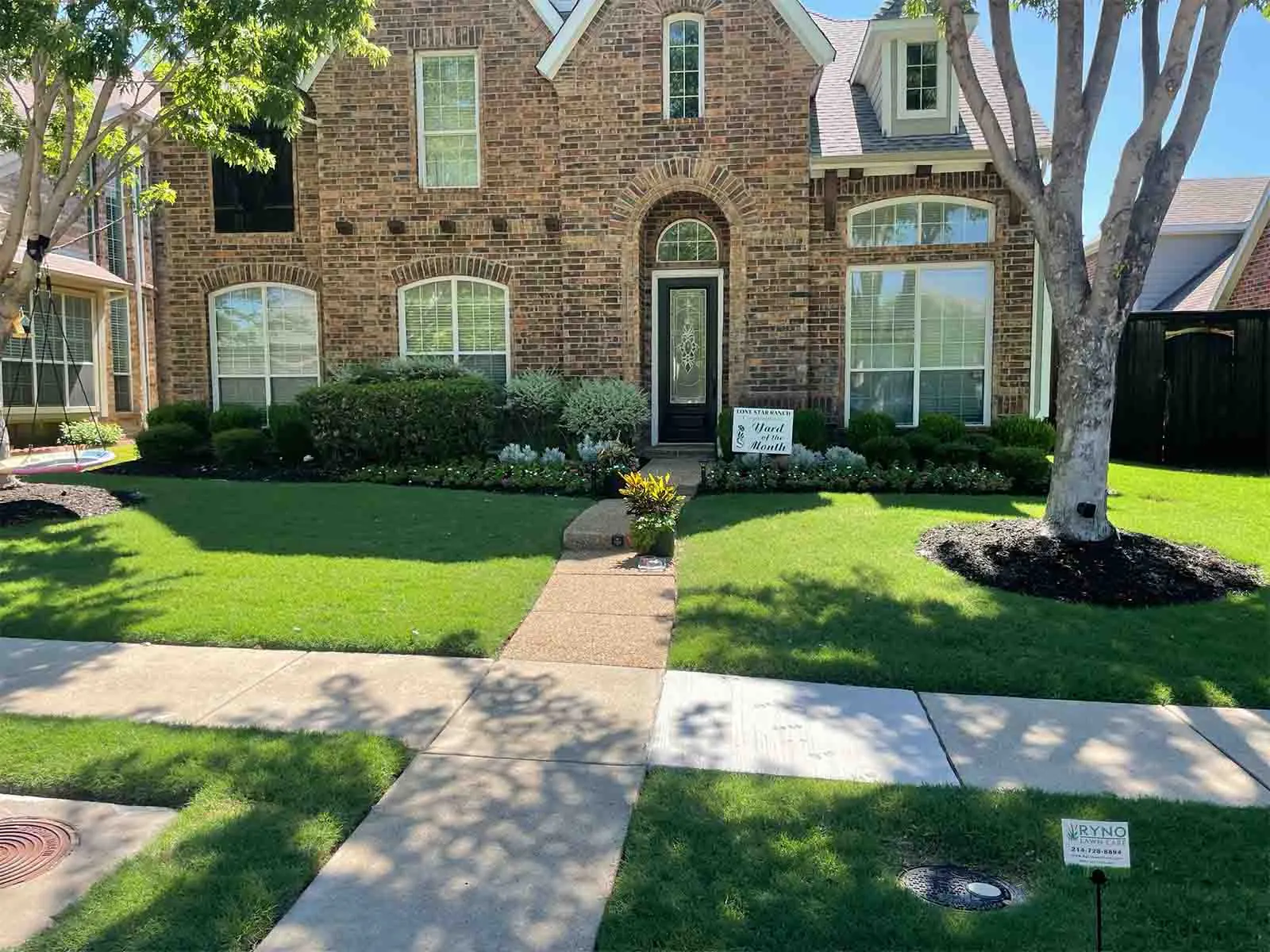
Understanding Bermuda Grass Shade Tolerance
Bermuda grass (Cynodon dactylon) is classified as a warm-season, sun-loving grass that thrives in the hot, humid conditions common throughout Texas. This resilient turf requires 6-8 hours of direct sunlight daily for optimal growth and health. The reason behind this high light requirement lies in the grass's photosynthetic process and growth characteristics.
During photosynthesis, Bermuda grass converts sunlight into energy needed for growth, root development, and overall plant health. When light levels drop below optimal ranges, the grass cannot produce sufficient energy to maintain its characteristic dense, vigorous growth pattern. This energy deficit leads to a cascade of problems that affect both the appearance and health of your lawn.
Compared to other grass varieties commonly used in DFW landscapes, Bermuda grass ranks among the poorest for shade tolerance. While some grass types can maintain adequate health with just 4-6 hours of filtered sunlight, Bermuda grass begins showing stress symptoms when it receives less than 6 hours of direct sun exposure.
The Science Behind Shade Intolerance
Bermuda grass has evolved as a full-sun plant with specific cellular structures optimized for high-light conditions. Its leaf structure, chlorophyll concentration, and metabolic processes are all designed to maximize energy production in bright sunlight. When grown in shade, these same characteristics become disadvantages, as the grass cannot efficiently capture and process the limited light available.
How Much Shade Can Bermuda Grass Handle in Texas?
In the DFW area, Bermuda grass can tolerate minimal shade - no more than 4-6 hours of filtered light per day. However, even this level of shade tolerance comes with significant compromises in lawn quality and appearance. The distinction between partial shade and full shade is critical for understanding what to expect from your Bermuda grass.
Partial shade conditions (4-6 hours of filtered sunlight) may allow Bermuda grass to survive, but you'll likely notice:
- Reduced thickness and less coverage
- Longer spaces between grass blades, creating a patchy appearance
- Increased susceptibility to diseases
- Slower recovery from foot traffic or stress
- If Bermuda gets patchy, weeds will take over
Full shade conditions (less than 4 hours of sunlight) typically result in Bermuda grass failure within one growing season. The grass will gradually thin out, turn yellow, and eventually die back, leaving bare soil that becomes invaded by weeds or moss.
Texas heat actually compounds shade tolerance issues for Bermuda grass. While the grass is well-adapted to high temperatures, the combination of heat stress and insufficient light creates an especially challenging environment.
During our intense summer months, shaded Bermuda grass may appear to perform slightly better due to reduced heat stress, but this improvement is temporary.
Seasonal Variations in Shade Performance
- In spring, newly emerged Bermuda can look deceivingly healthy in partial shade before summer heat exposes the problem
- By July and August, shaded Bermuda typically hits its worst point — this is when most homeowners call for help
- The window between late September and dormancy is actually the best time to assess your shade situation and plan a replacement, because you can see clearly where grass failed over the summer.
Common Shaded Areas in DFW Landscapes
DFW homeowners frequently encounter shade challenges in several predictable landscape situations. Understanding these common scenarios can help you identify problem areas before installing Bermuda grass or help explain existing lawn issues.
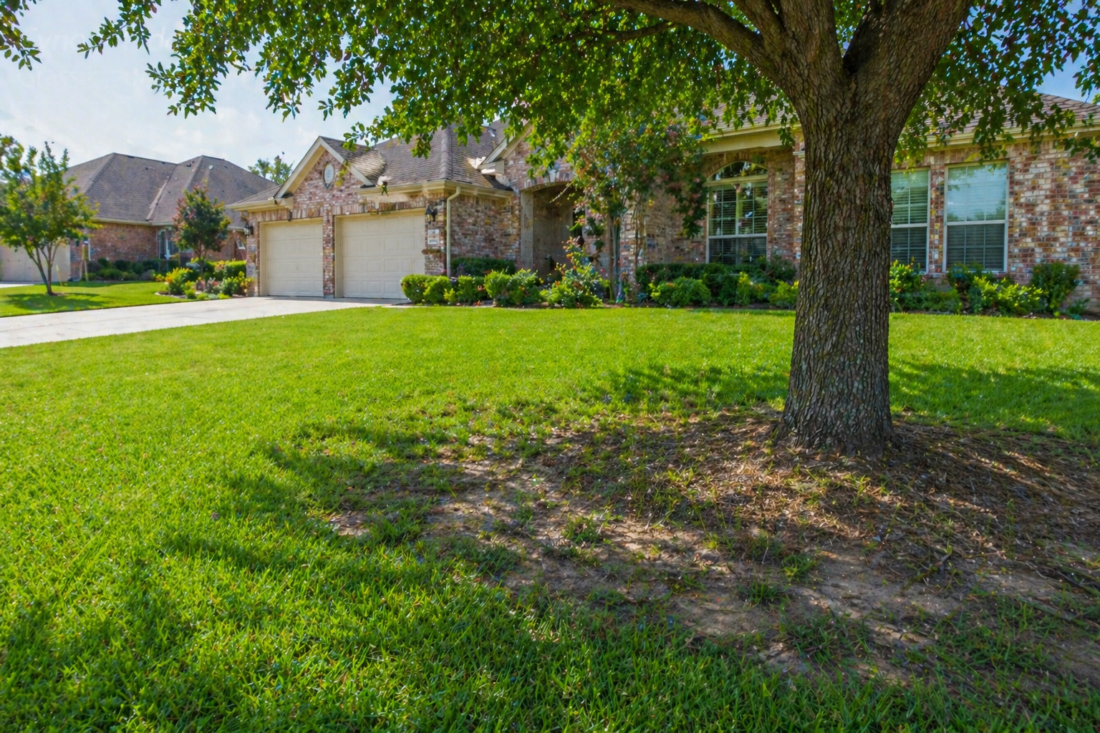
Under Large Native Trees: Mature oak trees, pecans, and other native Texas trees create significant shade challenges. These trees are valued for their beauty and shade benefits but can create dead zones for sun-loving grasses beneath their canopies.
North-Facing Areas: The north sides of homes, fences, and other structures receive limited direct sunlight throughout the day, especially during winter months when the sun's angle is lower.
Pool and Outdoor Living Areas: Covered patios, pergolas, and pool equipment often create shaded zones that struggle to support healthy Bermuda grass growth.
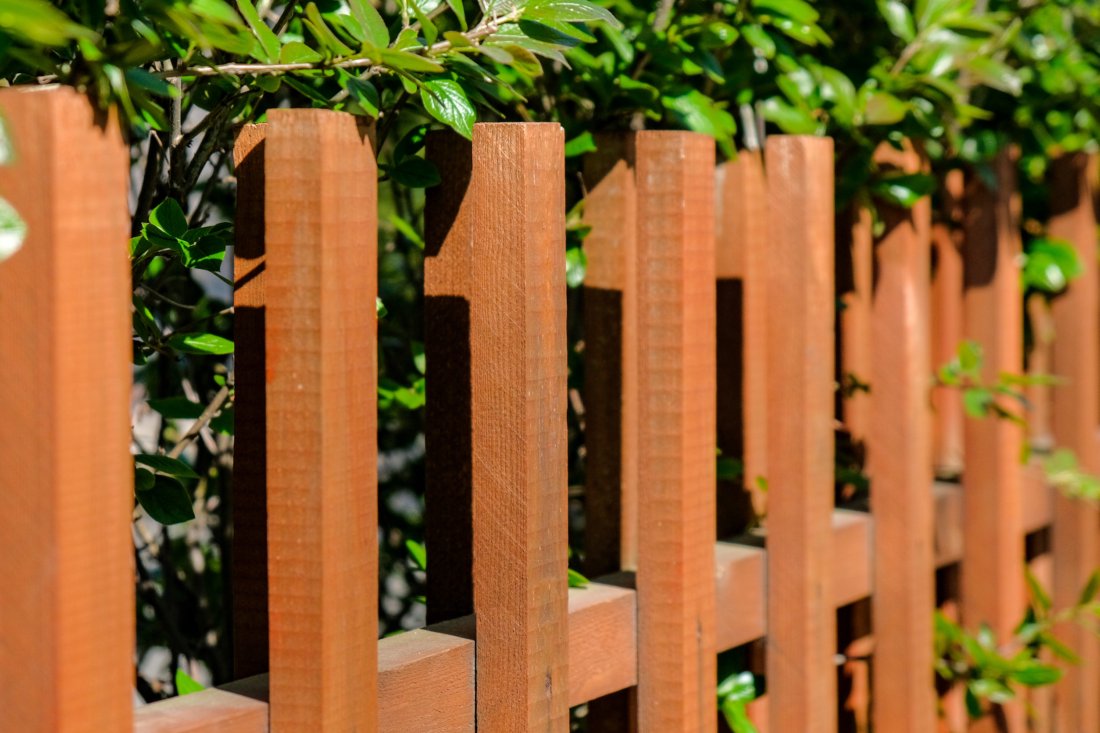
Fence Lines and Property Boundaries: Privacy fences, especially tall wooden fences common in DFW subdivisions, can create long strips of shaded areas along property lines.
Shrinking lot sizes: Lot sizes have shrunk in developments built in the last 15–20 years across Plano, Frisco, Allen, and McKinney. East and west-facing side yards between homes receive very little direct sun. This is one of the most common shade complaints Ryno's customers in those markets have.
What Happens When Bermuda Grass Gets Too Much Shade
When Bermuda grass receives insufficient sunlight, a predictable pattern of decline begins. Recognizing these symptoms early can help you take corrective action or make informed decisions about alternative landscaping solutions.
The most obvious initial symptom is thinning and sparse growth. Bermuda grass naturally grows in a dense, interwoven pattern, but shade-stressed grass develops longer internodes (spaces between nodes) as it stretches toward available light sources. This creates a thin, sparse appearance that lacks the lush density homeowners expect.
Color changes follow quickly, with healthy dark green Bermuda grass fading to lighter green, then yellow as chlorophyll production decreases. In severe cases, the grass may develop a pale, almost white appearance before dying back completely.
Disease susceptibility increases dramatically in shade-stressed Bermuda grass. Fungal diseases that rarely affect healthy, sun-exposed grass can quickly take hold in weakened, shaded areas. Common problems include brown patch, dollar spot, and spring dead spot.
The grass's root system also suffers in shade conditions. Energy that would normally be directed toward root development is instead used for above-ground growth as the plant attempts to reach better light conditions. This results in a shallow, weak root system that cannot adequately support the grass during stress periods.
Long-term Consequences
Persistently shaded Bermuda grass areas become increasingly problematic over time. Weak grass provides opportunities for weed invasion, moss growth, and soil compaction. Eventually, these areas may become completely bare, creating unsightly patches that detract from your overall landscape appearance.
Better Shade-Tolerant Grass Options for DFW
Fortunately, several grass varieties perform much better than Bermuda grass in shaded DFW landscapes. Choosing the right alternative will transform problematic shaded areas into healthy, attractive lawn space.
| Grass Type | Shade Tolerance | Minimum Light Requirements | DFW Suitability |
|---|---|---|---|
| St. Augustine (Raleigh) | Excellent | 4-5 hours filtered light | Outstanding |
| St. Augustine (Palmetto) | Very Good | 4-6 hours filtered light | Excellent |
| Zoysia (Emerald) | Good | 5-6 hours filtered light | Very Good |
| Buffalo Grass | Fair | 6 hours direct light | Good (native option) |
| Bermuda Grass | Poor | 6-8 hours direct light | Full sun areas only |
St. Augustine grass varieties, particularly Raleigh and Palmetto, represent the best shade-tolerant options for DFW homeowners. These grasses can maintain acceptable quality with just 4-5 hours of filtered sunlight daily and are well-adapted to North Texas growing conditions.
Zoysia grass offers another excellent alternative, though it requires slightly more light than St. Augustine. Zoysia provides a dense, carpet-like lawn surface and excellent drought tolerance once established.
Have a full-sun yard but still dealing with patchy Bermuda grass? Read this guide on How to Fix Thin Bermuda Grass.
Solutions for Shaded Bermuda Grass Areas
If you're committed to maintaining Bermuda grass in your landscape, several strategies can help improve growing conditions in shaded areas. However, it's important to have realistic expectations about the results.
Tree Trimming and Canopy Management: Professional tree trimming can increase light penetration by removing lower branches and thinning the tree canopy. This approach works best when performed by certified arborists who understand proper pruning techniques that won't harm tree health.
Alternative Landscaping Solutions: Consider replacing grass in heavily shaded areas with shade-tolerant landscaping alternatives:
- Mulched planting beds with top shade perennial plants
- Decorative stone or gravel areas. Go to our river rock landscaping page.
- Hardscaping elements like patios or walkways. Go to our landscaping page.
- Shade-loving groundcover plants
At Ryno, we handle sod replacement — including removal of failing Bermuda and installation of St. Augustine or Zoysia — as well as landscape bed installation, mulching, and hardscaping for areas where grass simply isn't the right solution. If you're not sure which direction makes sense for your yard, ask for a free estimate.
Professional Consultation: Working with experienced lawn care professionals can help you evaluate your specific situation and develop a customized solution. At Ryno Lawn Care, we regularly help DFW homeowners assess their shaded areas and recommend the most effective approaches for their unique landscapes.
When to Consider Complete Grass Replacement
Sometimes the most practical solution is replacing Bermuda grass in shaded areas with more suitable alternatives. This approach provides the best long-term results and eliminates ongoing frustration with poor grass performance. Check out our sod installation page.
Read what Texas A&M has to say about improving lawns in shade.
Frequently Asked Questions
How many hours of sunlight does Bermuda grass need daily?
Bermuda grass requires 6-8 hours of direct sunlight daily for optimal health and growth. It can survive with 4-6 hours of filtered light, but will show significant thinning, color loss, and increased disease susceptibility. Less than 4 hours of sunlight typically results in grass failure within one growing season.
Will Bermuda grass grow under oak trees in Texas?
Bermuda grass generally will not thrive under mature oak trees in Texas. Large oak trees create dense shade that typically provides less than 4 hours of filtered sunlight daily. While young Bermuda grass may initially establish under oak trees, it will gradually thin out and eventually fail. St. Augustine grass varieties like Raleigh or Palmetto are much better choices for areas under oak trees.
What's the best shade-tolerant grass for DFW lawns?
St. Augustine grass, particularly the Raleigh variety, is the best shade-tolerant option for DFW lawns. It can maintain good quality with just 4-5 hours of filtered sunlight daily and is well-adapted to North Texas climate conditions. Palmetto St. Augustine and Emerald Zoysia are also excellent choices for moderately shaded areas.
Can I improve Bermuda grass growth in partial shade?
You can make modest improvements to Bermuda grass performance in partial shade through proper tree pruning to increase light penetration, ensuring adequate fertilization and irrigation, and maintaining proper mowing height. However, these measures won't transform poor shade tolerance into good performance. The grass will still be thinner and less vigorous than in full sun conditions.
Should I replace my shaded Bermuda grass with another variety?
If your shaded areas receive less than 6 hours of direct sunlight daily and you're experiencing persistent problems with thin, weak grass, replacing Bermuda with a shade-tolerant variety is usually the best long-term solution. This eliminates ongoing maintenance challenges and provides a healthier, more attractive lawn. Consider St. Augustine, Zoysia, or alternative landscaping solutions for heavily shaded areas.
How much does it cost to replace Bermuda grass with St. Augustine or Zoysia?
In the DFW metroplex, replacing a Bermuda lawn with St. Augustine or Zoysia sod typically costs around $4,000 to $15,000 or more, depending on the size of the yard, sod variety, and how much Bermuda removal and soil preparation is required. Zoysia usually costs more than St. Augustine, while Bermuda removal can significantly increase labor and material costs.

Michelle Valdivia
I am a content manager with several years of experience creating and managing website content across a variety of industries. Since 2021, I have specialized in developing clear, engaging, and informative content for service-based businesses. With a background in education, I bring a strong focus on clarity and communication to my work. I also enjoy learning about landscaping and lawn care and translating that knowledge into helpful resources for homeowners.