

Maintaining a healthy lawn in North Texas requires more than regular mowing. The region's hot summers, unpredictable weather, clay-heavy soils, seasonal freezes, and warm-season grasses all affect how your lawn should be maintained throughout the year.
Whether you're trying to establish a new lawn, improve thinning grass, control weeds, or keep an established yard looking its best, understanding the basics of North Texas lawn care can help you make better decisions.
This guide covers the most important aspects of lawn care, including grass selection, watering, fertilization, weed control, aeration, soil health, seasonal maintenance, and lawn installation.
Use the sections below to find the specific lawn-care information you need.
North Texas Lawn Care at a Glance
A successful lawn-care program typically includes:
- Choosing a grass type suited to your property
- Watering according to weather and grass needs
- Fertilizing at the appropriate time
- Controlling weeds before they become established
- Aerating compacted soil
- Maintaining healthy soil
- Adjusting lawn care throughout the seasons
- Addressing pests and diseases promptly
- Repairing thin, damaged, or bare areas
- Using professional lawn-care services when needed
The right approach depends on your grass type, soil, sunlight, drainage, and the specific conditions on your property.
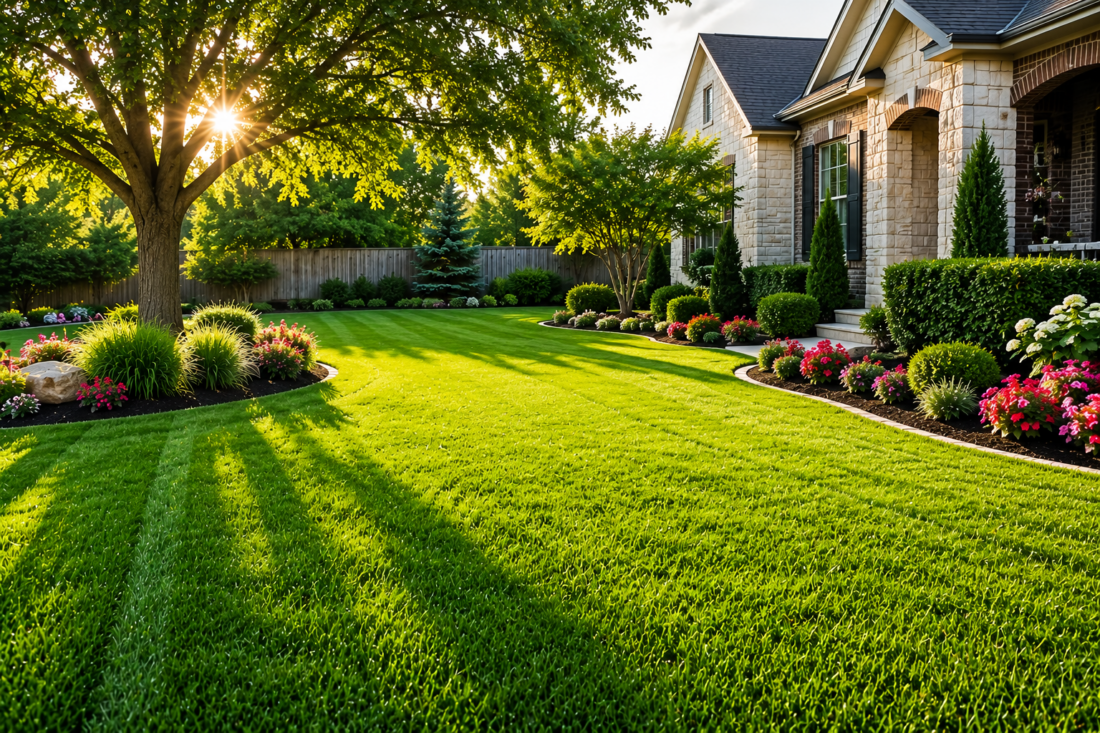
Choosing the Right Grass for North Texas
One of the first steps in maintaining a healthy lawn is choosing a grass variety that can handle North Texas conditions.
Common warm-season grasses include Bermuda, Zoysia, and St. Augustine. Each has different requirements for sunlight, watering, maintenance, and soil conditions.
Bermuda Grass
Bermuda grass is popular throughout North Texas because it performs well in heat and full sun. It can tolerate drought and generally recovers well from wear when properly maintained.
Learn more: Everything You Need to Know about Bermuda Grass
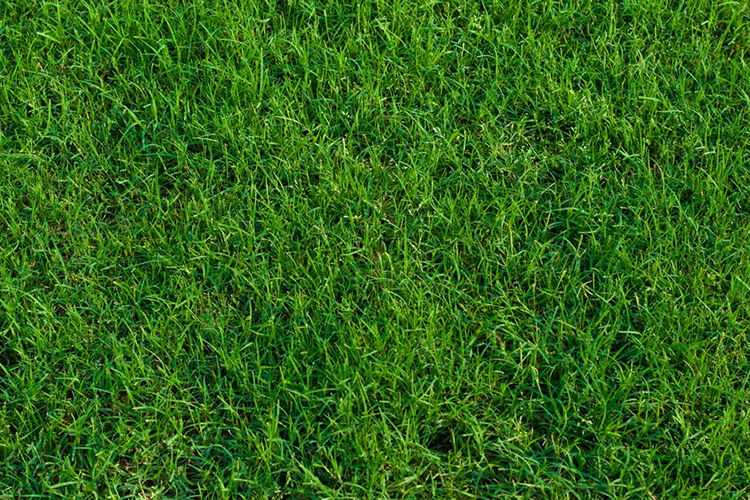
Zoysia Grass
Zoysia produces a dense, attractive lawn and can tolerate some shade better than Bermuda. It is often chosen by homeowners looking for a thick, carpet-like appearance.
Learn more: Types of Zoysia Grass
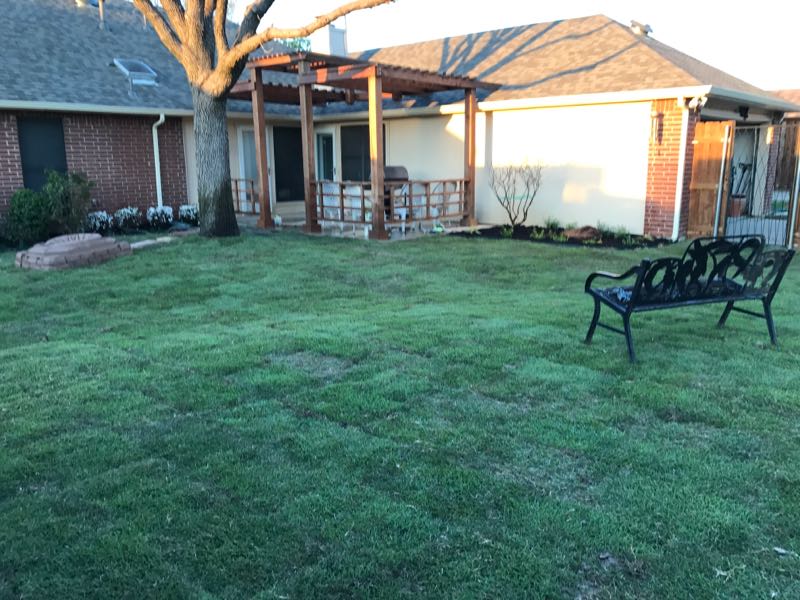
St. Augustine Grass
St. Augustine can be a good choice for areas with partial shade, although it requires different maintenance than Bermuda or Zoysia.
Learn more: Expert Tips for St. Augustine Grass
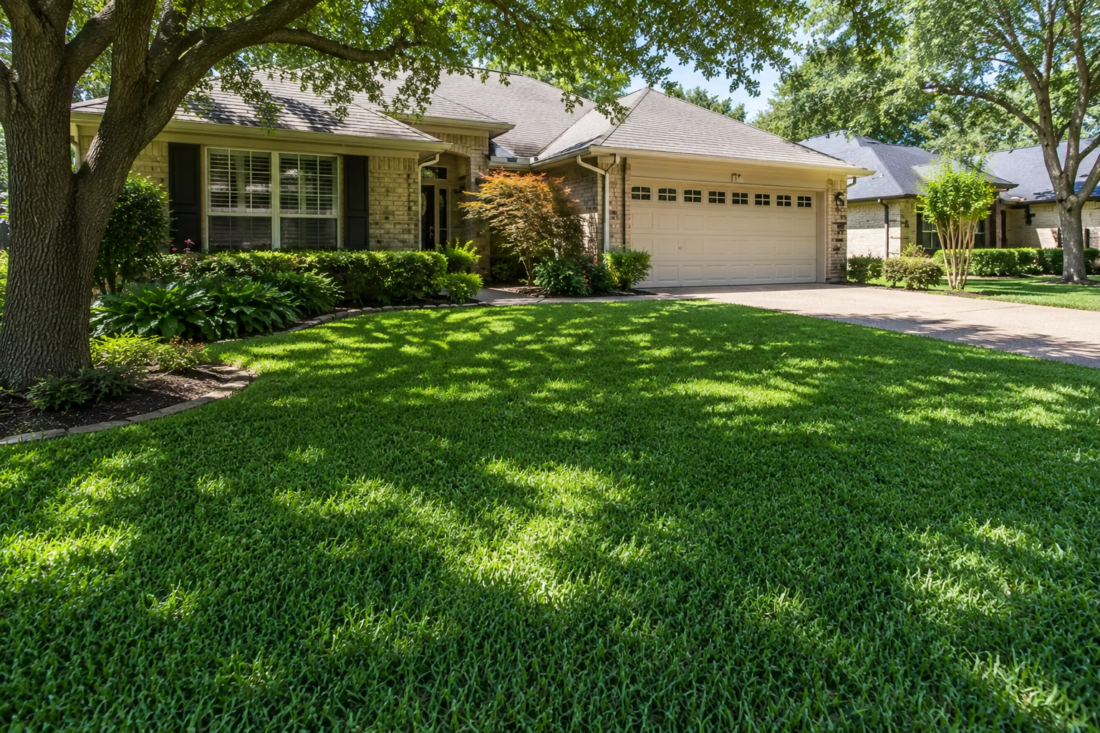
Need help choosing?
Consider:
- How much sunlight your lawn receives
- How much foot traffic it gets
- How frequently you can water
- Your soil conditions
- How much maintenance you're willing to provide
Learn more: Which Grass Grows Best in North Texas?
Lawn Watering and Irrigation
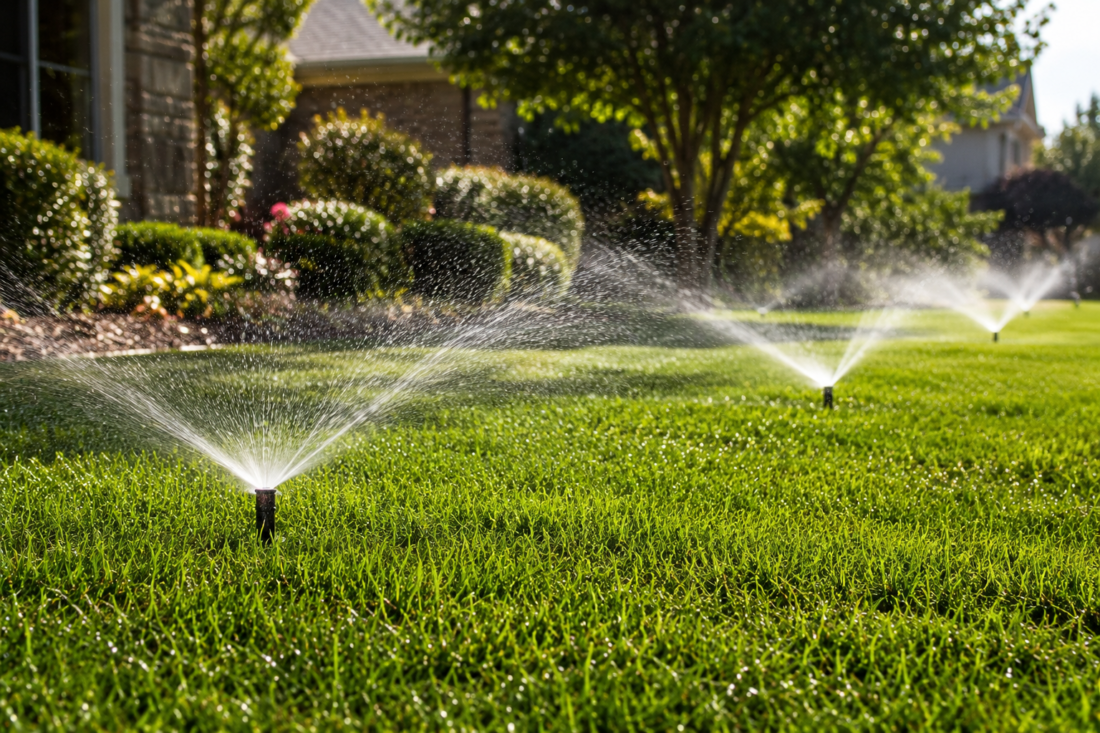
Water is one of the most important factors in maintaining a North Texas lawn, particularly during the summer.
However, more water isn't necessarily better. Overwatering can contribute to shallow roots, fungal problems, runoff, and other lawn issues.
A good watering strategy provides enough moisture to encourage healthy root development without keeping the soil constantly saturated. Find out how to improve water retention in lawn.
When Should You Water Your Lawn?
Early morning is generally the best time to water because temperatures are cooler and there is less evaporation.
Learn more: Lawn Watering Guide
How Much Water Does Your Lawn Need?
The answer depends on:
- Grass type
- Soil type
- Temperature
- Rainfall
- Sun exposure
- Season
- Irrigation efficiency
Instead of following a rigid schedule year-round, adjust watering based on actual lawn conditions and weather.
Smart Irrigation
Smart irrigation systems can help homeowners use water more efficiently by adjusting irrigation based on weather and landscape conditions.
Learn more: Automatic Sprinkler System Cost
Lawn Fertilization
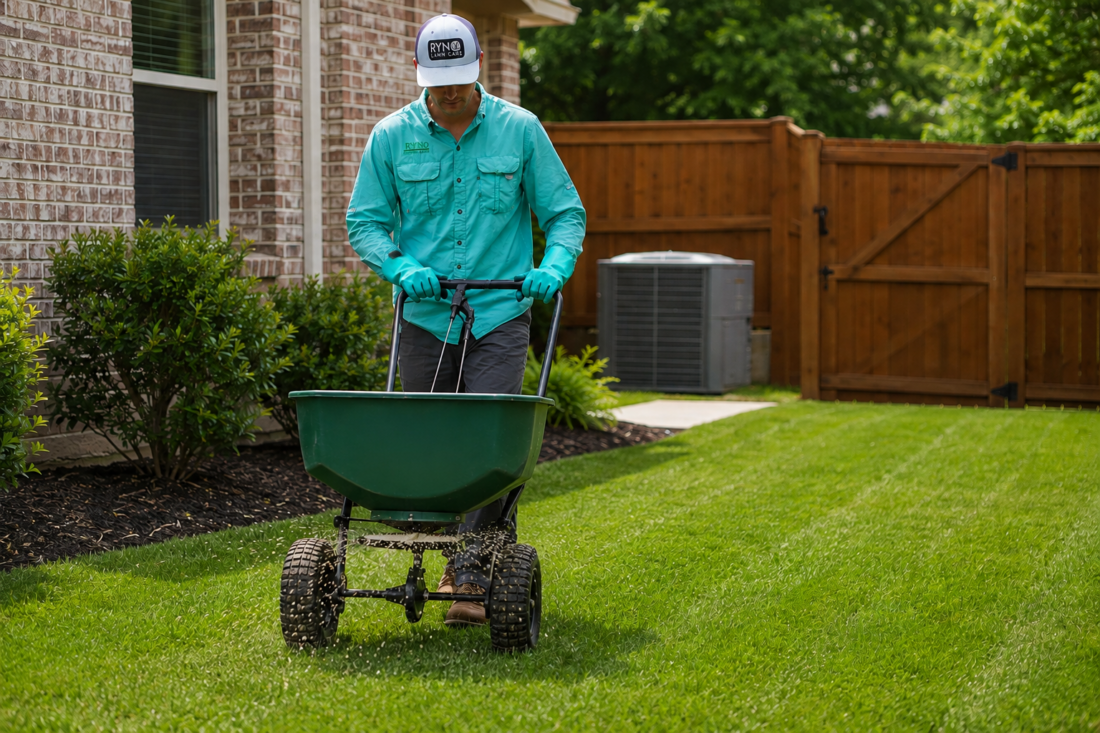
Grass needs nutrients to produce healthy roots, maintain color, recover from stress, and grow properly. But fertilizing at the wrong time or applying too much fertilizer can create problems. A lawn's nutrient needs depend on its grass type, soil conditions, age, and growing conditions.
When Should You Fertilize?
Warm-season grasses generally benefit from fertilization during their active growing season rather than during winter dormancy.
Learn more: Weed and Feed Schedule 2026
A professional lawn-care program can also help determine what nutrients your lawn actually needs instead of applying fertilizer unnecessarily.
Ryno service: Lawn Fertilization
Weed Control
Weeds compete with grass for water, nutrients, sunlight, and space. In North Texas, homeowners commonly encounter weeds such as:
- Crabgrass
- Henbit
- Clover
- Spurge
- Grassburs
- Dayflower
- Nutsedge
Effective weed control usually involves a combination of prevention and treatment. Check out our weed identification guide to find out which weeds have invaded your lawn.
Pre-Emergent Weed Control
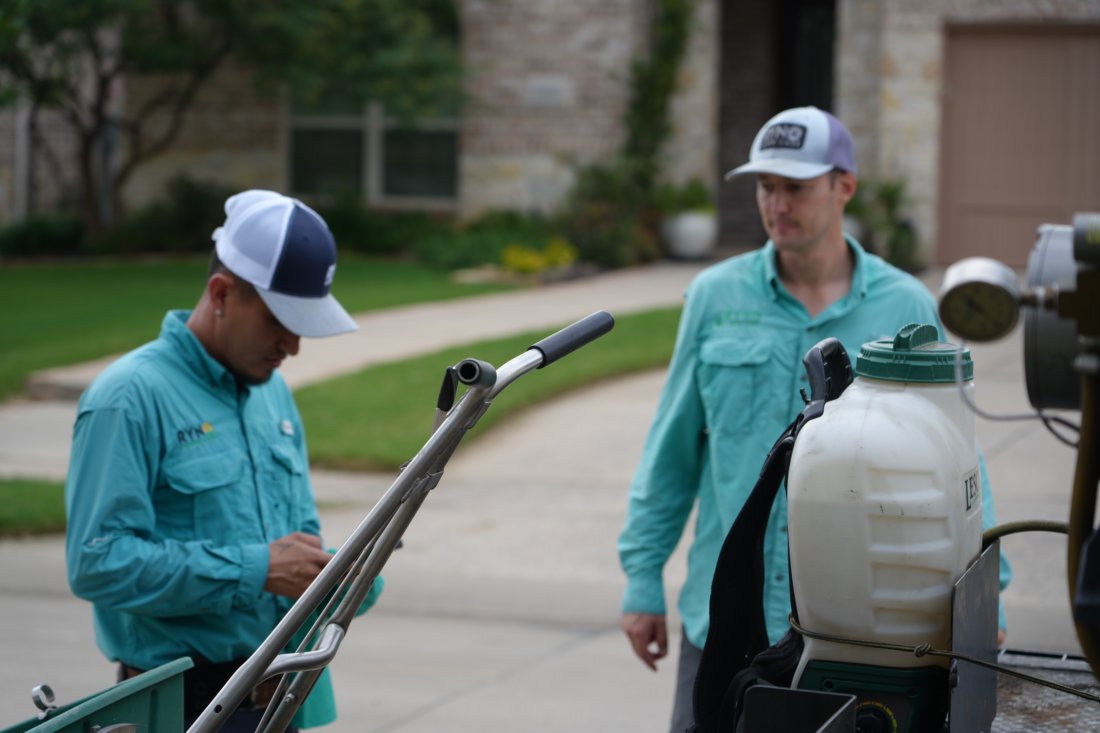
Pre-emergent herbicides are applied before certain weeds germinate. Timing is particularly important because applying them too late may mean the weeds have already emerged.
Learn more: When Should You Apply Pre-Emergent in North Texas?
Post-Emergent Weed Control
Post-emergent products are designed to control weeds that are already growing.
The appropriate treatment depends on the weed, grass type, season, and environmental conditions.
Ryno Service: Weed Control
Lawn Aeration
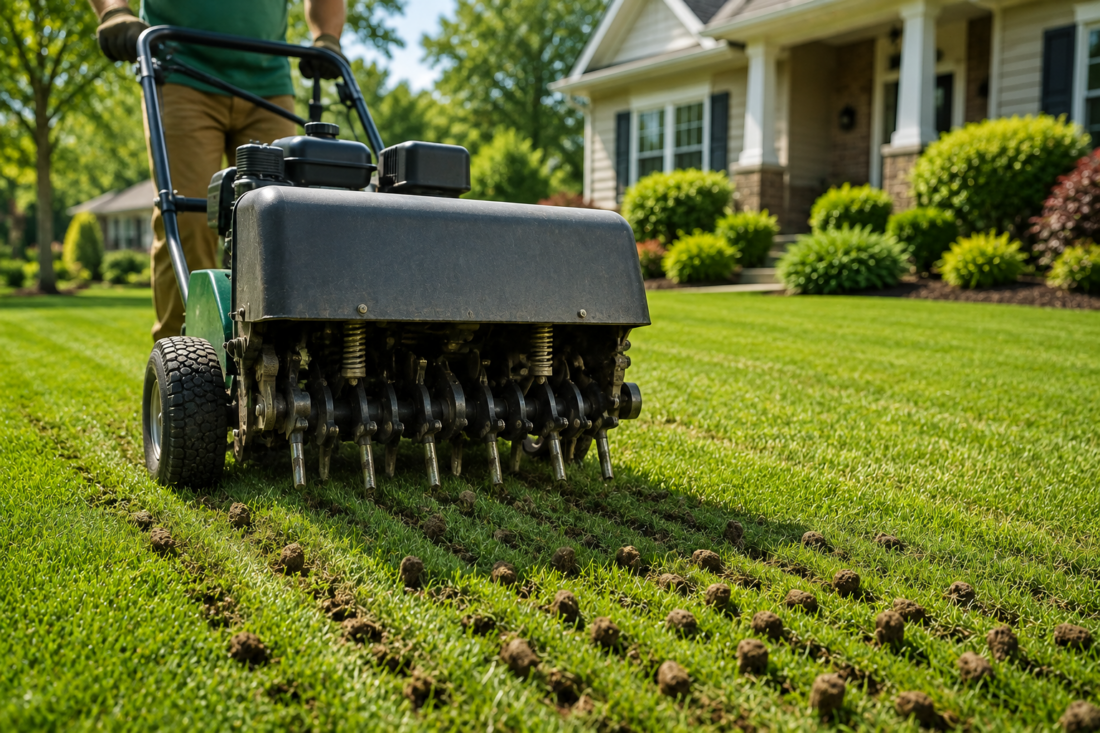
North Texas soils can become compacted, particularly in areas that receive frequent foot traffic.
Compacted soil restricts the movement of water, air, and nutrients into the root zone.
Core aeration removes small plugs of soil from the lawn, creating channels that allow those resources to reach the roots more effectively.
Aeration can be particularly beneficial for lawns that:
- Have heavy foot traffic
- Drain poorly
- Have compacted soil
- Show thinning or weak growth
- Have difficulty absorbing water
Learn more: How to Do Lawn Aeration and Improve Compacted Soil
Ryno service: Lawn Aeration
Soil Health
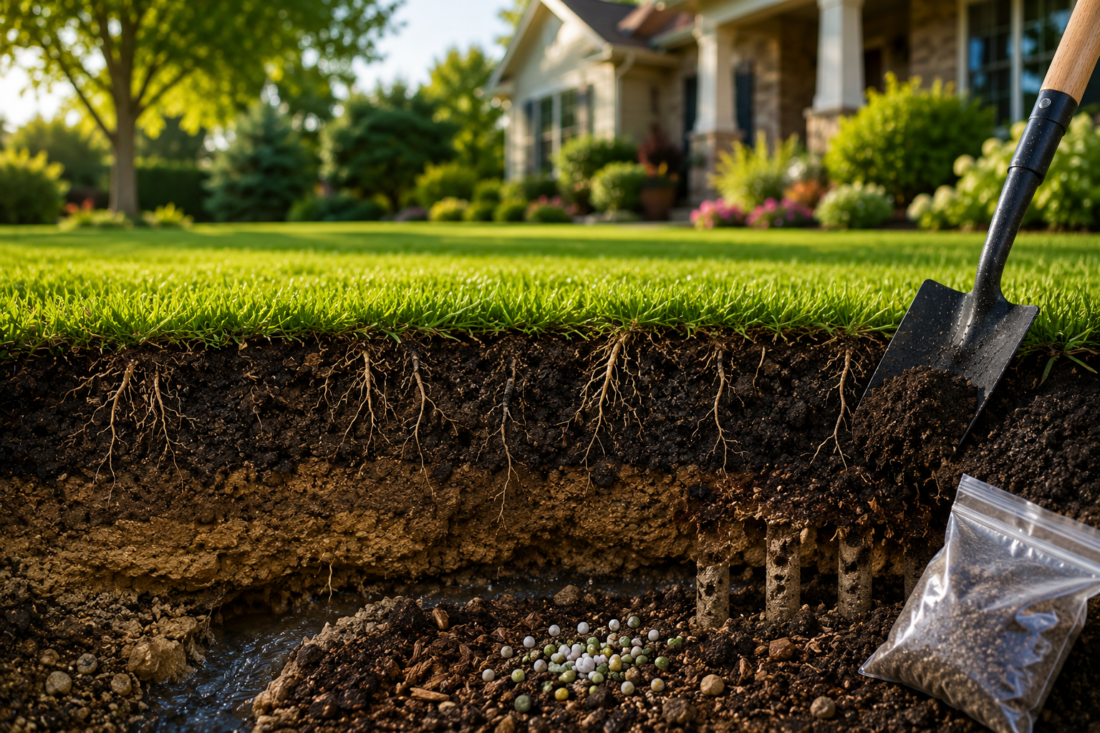
Healthy grass starts with healthy soil.
Problems with soil can contribute to poor drainage, weak roots, nutrient deficiencies, and inconsistent grass growth.
Depending on your property, improving soil may involve:
- Aeration
- Adding organic matter
- Correcting soil pH
- Improving drainage
- Adding appropriate nutrients
- Addressing compaction
A soil test can help determine whether your lawn is actually lacking a particular nutrient before you begin adding products.
Seasonal Lawn Care in North Texas
Your lawn's needs change throughout the year.
Spring Lawn Care
Spring is when warm-season grasses begin coming out of dormancy and weeds become increasingly active.
Spring lawn care may include:
- Pre-emergent weed control
- Fertilization
- Mowing adjustments
- Irrigation inspection
- Weed treatment
- Monitoring for lawn diseases
Learn more: Spring Lawn Care Guide
Summer Lawn Care
North Texas summers can bring extreme heat and prolonged periods of dry weather.
Summer priorities include:
- Proper irrigation
- Appropriate mowing height
- Monitoring for drought stress
- Managing weeds
- Watching for pests and diseases
- Avoiding unnecessary lawn stress
Learn more: Summer Lawn Care Guide
Fall Lawn Care
Fall is an important transition period for North Texas lawns.
Depending on your grass type, fall maintenance may include:
- Adjusting irrigation
- Fertilizing appropriately
- Controlling cool-season weeds
- Removing excessive leaves
- Preparing irrigation systems for cooler weather
Learn more: Fall Lawn Care Tips
Winter Lawn Care
Warm-season grasses enter dormancy during the colder months.
That doesn't mean your lawn should be completely ignored.
Winter lawn care may involve:
- Limiting unnecessary watering
- Monitoring for winter damage
- Managing leaves
- Protecting vulnerable areas
- Preparing for spring
Learn more: Winter Lawn Care Tips
Lawn Problems and How to Fix Them
Even well-maintained lawns can develop problems.
Yellow Grass
Yellow grass can have many causes, including:
- Underwatering
- Overwatering
- Nutrient deficiencies
- Poor drainage
- Disease
- Dormancy
- Compacted soil
Learn more: Why Is My St. Augustine Grass Turning Yellow?
Brown or Bare Spots
Bare areas may result from:
- Heavy traffic
- Pet activity
- Disease
- Insects
- Poor irrigation
- Shade
- Soil problems
The solution depends on identifying the underlying cause rather than simply adding more seed or fertilizer.
Learn More: How to Repair Bare Spots in Lawn
Patchy Lawn
A patchy lawn may require changes to irrigation, fertilization, mowing, soil conditions, or grass coverage.
Learn more: How to Fix a Patchy Lawn
Sod Installation
Sometimes an existing lawn has reached the point where treatment isn't enough.
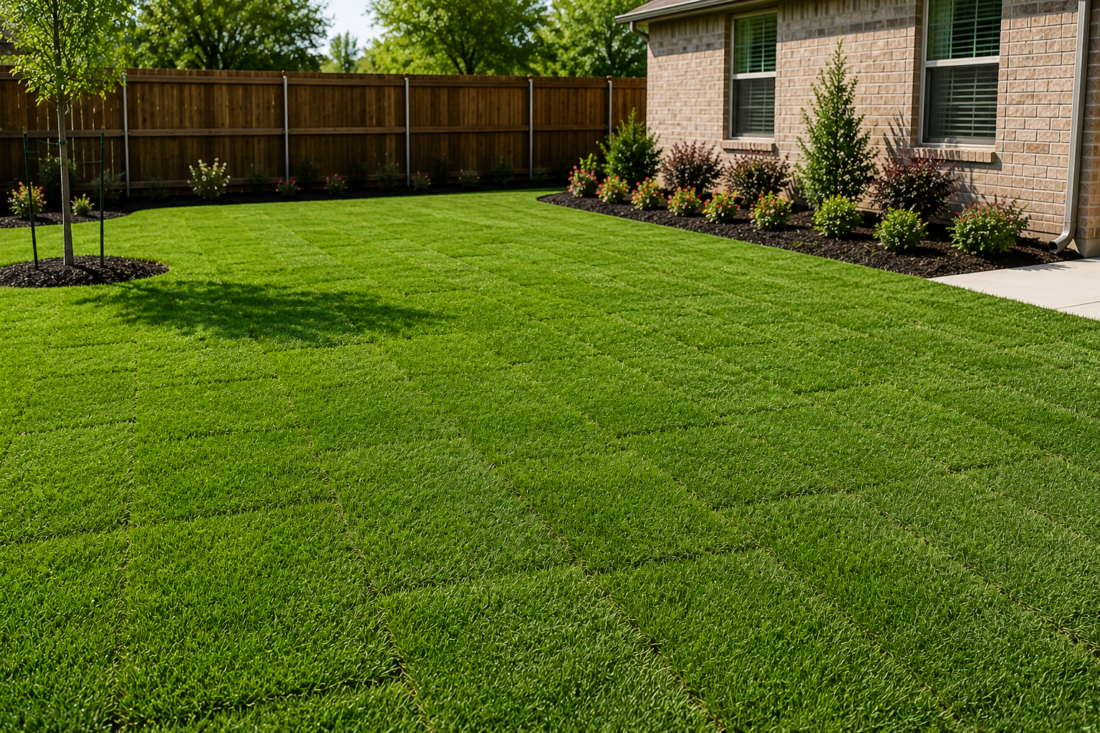
Installing sod can provide an immediate grass surface while establishing a new lawn.
Before installing sod, it's important to consider:
- Grass type
- Sunlight
- Soil preparation
- Grading
- Drainage
- Irrigation
- Installation timing
Learn more: New Sod Watering Tips
Ryno service: Sod Installation
Lawn Mowing
Mowing isn't simply about keeping grass short.
Cutting grass too short can stress the plant and reduce its ability to tolerate heat and drought. The appropriate mowing height depends on the grass species.
Good mowing practices include:
- Keeping mower blades sharp
- Avoiding removal of too much of the grass blade at once
- Adjusting mowing frequency as growth changes
- Following the appropriate height for your grass type
- Keeping equipment maintained
Lawn Pest and Disease Management
North Texas lawns can experience a variety of insects and diseases.
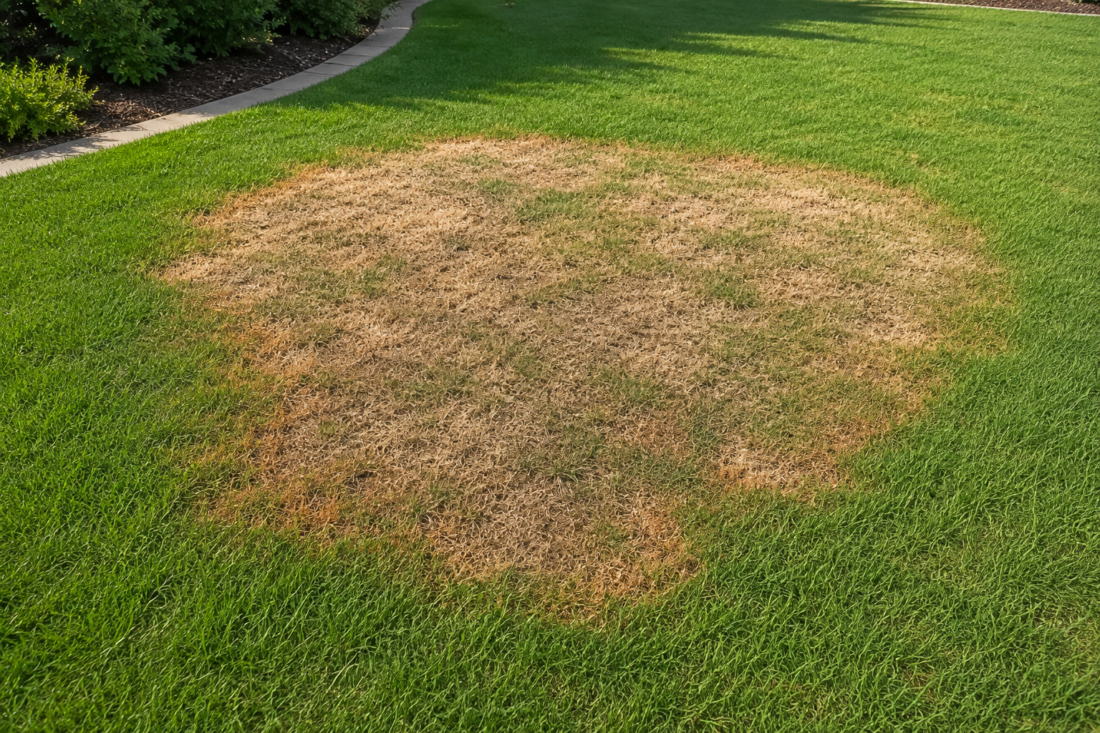
Signs of a potential problem include:
- Discolored grass
- Thinning areas
- Circular patches
- Chewed or damaged blades
- Unusual spots on grass
- Rapid decline in isolated areas
Correct identification is important because different problems require different treatments.
Learn more: Common Lawn Diseases in North Texas
When Should You Hire a Professional Lawn Care Company?
DIY lawn care can work well for homeowners who have the time and knowledge to monitor their lawns throughout the year.
Professional lawn care may make sense if:
- You don't have time for regular lawn maintenance
- You're dealing with persistent weeds
- Your grass isn't responding to DIY treatments
- You aren't sure what is causing a lawn problem
- You want a year-round maintenance plan
- You want professional fertilization or weed control
- You need aeration or sod installation
A professional can evaluate your lawn's specific conditions and develop a treatment approach based on its needs.
North Texas Lawn Care FAQs
What is the best grass for North Texas?
There isn't one universally best grass. Bermuda, Zoysia, and St. Augustine can all perform well under the right conditions. Your property's sunlight, soil, irrigation, and maintenance requirements should influence your choice.
How often should I water my lawn in North Texas?
Watering frequency varies based on weather, season, grass type, soil, and rainfall. During hot, dry weather, your lawn may require more irrigation than it does during cooler or wetter periods.
When should I apply pre-emergent in North Texas?
Pre-emergent timing depends on the target weed and seasonal conditions. Applying it before weed seeds germinate is critical to its effectiveness.
How often should I fertilize my lawn?
Fertilization frequency depends on grass type, soil conditions, nutrient needs, and the time of year. More fertilizer isn't necessarily better.
Should I aerate my North Texas lawn?
Aeration can benefit lawns suffering from compacted soil, heavy traffic, poor water penetration, or weak root growth.
Is yellow grass always dead?
No. Yellow grass can result from drought stress, nutrient problems, disease, overwatering, or dormancy. Identifying the cause is the first step toward determining whether the grass can recover.
Professional Lawn Care for North Texas
A healthy lawn requires more than a one-time treatment. Ryno Lawn Care provides lawn care services tailored to the needs of North Texas properties, including fertilization, weed control, aeration, and other lawn and landscape services.
Whether your lawn needs help recovering from stress or you simply want to keep it looking its best throughout the year, a professional lawn-care program can take much of the guesswork out of maintaining your property.
Ready to give your lawn the care it deserves? Contact Ryno Lawn Care to learn more about lawn-care services in North Texas.

Michelle Valdivia
I am a content manager with several years of experience creating and managing website content across a variety of industries. Since 2021, I have specialized in developing clear, engaging, and informative content for service-based businesses. With a background in education, I bring a strong focus on clarity and communication to my work. I also enjoy learning about landscaping and lawn care and translating that knowledge into helpful resources for homeowners.