
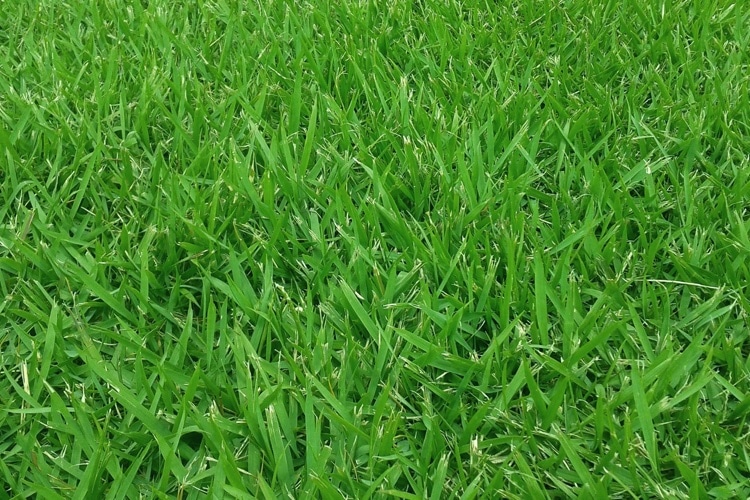
Zoysia grass is one of the most popular warm-season grasses for homeowners in North Texas because of its dense appearance, soft texture, drought tolerance, and ability to handle heat. However, maintaining a healthy Zoysia lawn requires proper mowing, fertilization, watering, and seasonal care throughout the year.
The amount of maintenance your Zoysia lawn requires will depend on several important factors, including:
- Soil fertility
- Sunlight exposure
- Rainfall amounts
- Drainage conditions
- North versus South growing regions
- Overall lawn health
Lawns growing in full sun with healthy soil, regular rainfall, and warmer southern climates will typically grow faster and require more frequent mowing and fertilization. Zoysia lawns in cooler climates, shaded areas, or lower fertility soils usually grow more slowly and require less maintenance overall.
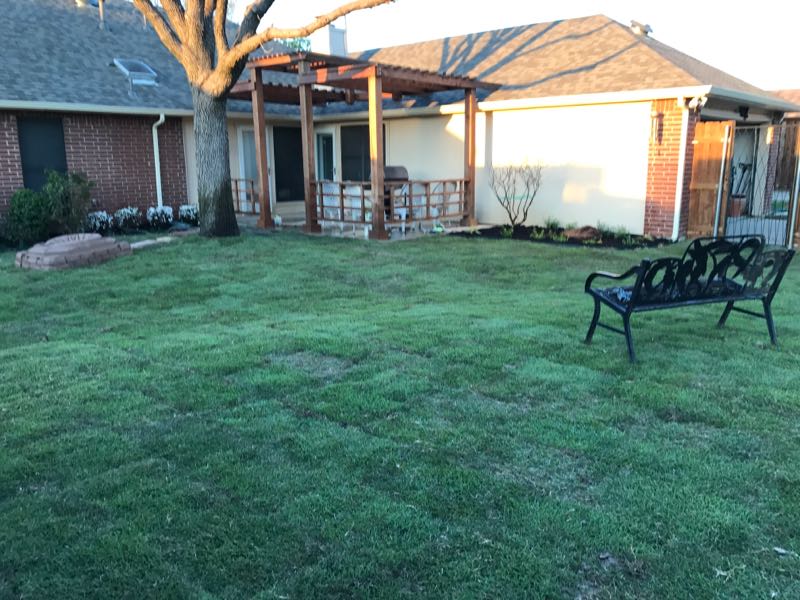
How Often Should You Mow Zoysia Grass?
Zoysia grass generally grows slower than Bermuda grass, which is one reason many homeowners prefer it. However, during peak growing season in late spring and summer, healthy Zoysia lawns may still require weekly mowing.
Proper mowing height is extremely important for maintaining thick, healthy turf. Cutting Zoysia too short will stress the lawn and increase the risk of brown patches, thinning, and weed growth.
Recommended Zoysia Grass Mowing Heights
| Zoysia Type | Recommended Height |
|---|---|
| Fine-Bladed Zoysia | 1–2 inches |
| Standard Zoysia | 1.5–2.5 inches |
| Shadier Areas | Slightly taller mowing height |
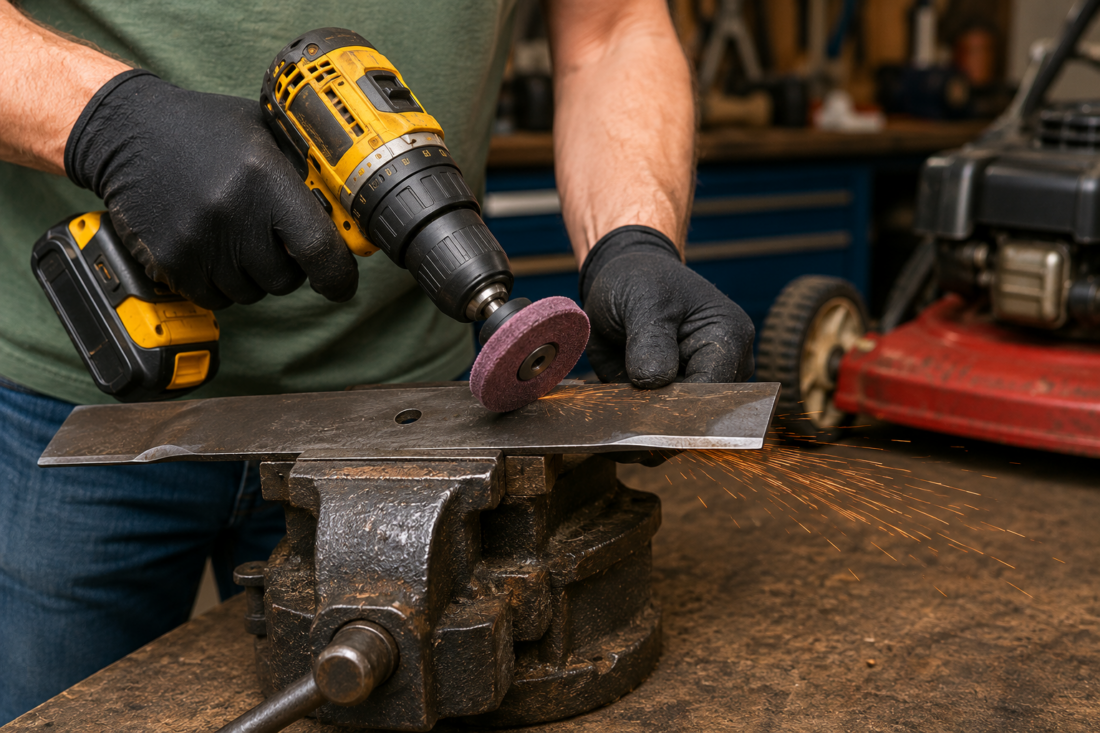
Keeping mower blades sharp also helps prevent tearing the grass blades, which can cause discoloration and lawn stress. Learn how to sharpen lawn mower blades.
Fertilizing Zoysia Grass Properly
One of the biggest mistakes homeowners make with Zoysia grass is either overfertilizing or neglecting fertilization entirely. While Zoysia requires less fertilizer than some other grass types, it still benefits from a consistent lawn care program during the growing season.
Healthy Zoysia lawns are typically fertilized using the proper balance of nitrogen, phosphorus, and potassium based on soil conditions and seasonal needs. Regular fertilization helps:
- Improve lawn color
- Encourage thicker turf growth
- Increase drought tolerance
- Strengthen disease resistance
- Reduce weed invasion
Underfeeding Zoysia grass can lead to thin turf and poor color, while overfertilizing can create excessive thatch buildup and increase disease problems.
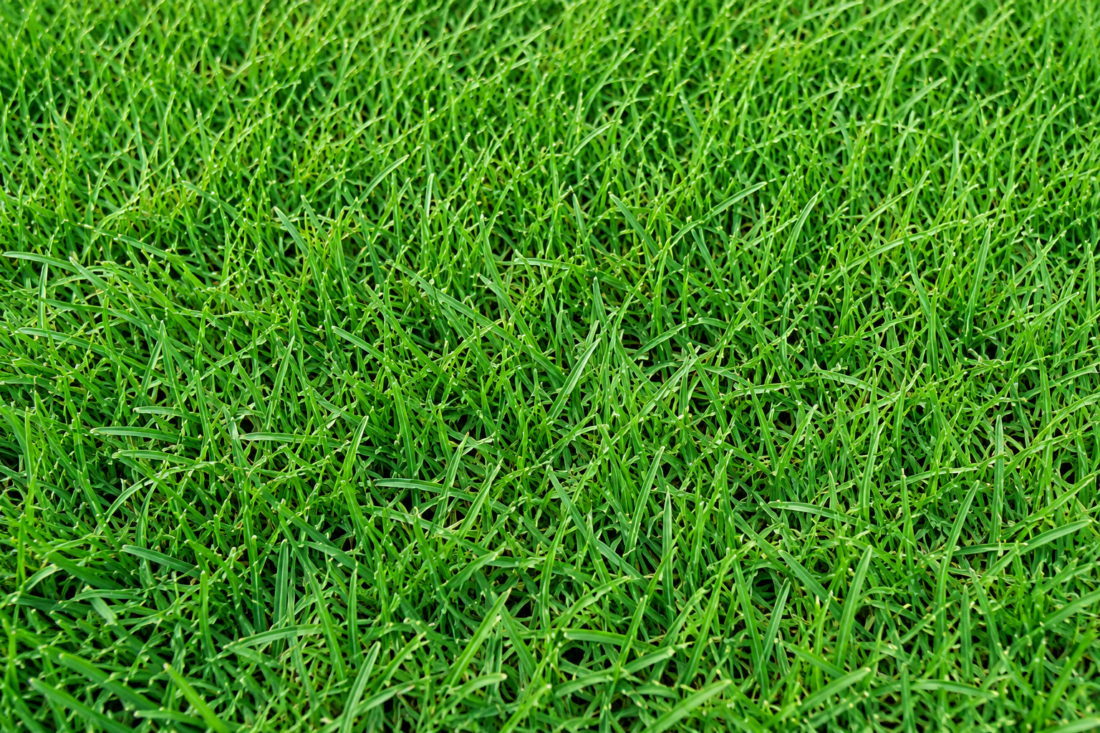
Zoysia Grass Fertilizer Schedule
Spring Fertilization
Apply a balanced fertilizer after the lawn fully greens up in spring. Avoid fertilizing too early while the lawn is still dormant.
Summer Fertilization
During active summer growth, Zoysia may benefit from supplemental nitrogen feedings spaced approximately 50–60 days apart.
Fall Fertilization
Avoid heavy nitrogen applications late in the season, as excessive fall growth can make the lawn more vulnerable to winter stress.
A common recommendation for established Zoysia lawns is:
- Approximately 15 lbs of complete fertilizer per 1,000 square feet annually
- Supplemental nitrogen applications during peak growing months as needed
Soil testing can help determine the exact nutrient needs of your lawn.
Watering Zoysia Grass
Although Zoysia grass is known for good drought tolerance, proper watering still plays an important role in maintaining a healthy lawn.
Overwatering is a common issue that can lead to:
- Fungal diseases (Find out how to treat and prevent zoysia patch disease)
- Root rot
- Thatch buildup
- Poor root development
Zoysia generally performs best with deep, infrequent watering rather than shallow daily irrigation. Most lawns benefit from about 1 inch of water per week during summer, including rainfall.
Signs your Zoysia lawn may need water include:
- Bluish-gray color
- Footprints remaining visible after walking
- Wilted or curled grass blades

Thatch Control for Zoysia Grass
Because Zoysia grass grows densely, it can sometimes develop excessive thatch if overfertilized or overwatered. Thatch is a layer of dead grass stems and roots that builds up between the soil and living turf.
Too much thatch can:
- Block water absorption
- Restrict airflow
- Encourage pests and disease
- Prevent nutrients from reaching roots
Periodic dethatching or core aeration may help improve lawn health if thatch buildup becomes excessive. Find out how often you should detatch your lawn.
Sunlight Requirements for Zoysia Grass
One advantage of Zoysia grass is that it tolerates partial shade better than Bermuda grass. However, it still performs best with several hours of direct sunlight each day.
Lawns growing in heavy shade may experience:
- Thinner turf
- Slower growth
- Increased weed growth
- Wider spacing between grass blades causing the lawn to look thinner.
Maintaining proper tree trimming and reducing excess shade can help improve Zoysia lawn performance.
Common Zoysia Lawn Problems
Some common issues homeowners may encounter with Zoysia grass include:
- Brown patch fungus
- Thatch buildup
- Compacted soil
- Drought stress
- Scalping from improper mowing
- Poor drainage
- Weed invasion in thin areas
Routine maintenance and proper seasonal care can help prevent many of these problems before they become severe.
Seasonal Zoysia Grass Care Tips
Spring
- Begin mowing once the lawn greens up
- Apply fertilizer after active growth starts
- Address weeds early
Summer
- Maintain proper mowing height
- Water deeply during drought conditions
- Monitor for disease and insects
Fall
- Reduce fertilizer applications
- Continue mowing as needed
- Prepare the lawn for dormancy
Winter
- Zoysia typically turns brown and dormant
- Avoid excessive traffic on dormant turf
- Limit winter watering unless conditions are extremely dry
Professional Zoysia Lawn Maintenance
Maintaining a healthy Zoysia lawn throughout the year requires consistent care, proper fertilization, and attention to seasonal changes. Professional lawn maintenance can help homeowners avoid common problems while keeping Zoysia grass thick, green, and healthy.
The grass is always greener when Ryno Lawn Care maintains your lawn. Check out our fertilization service page or request a quote to keep your lawn green and save some green in your wallet.

T. Stafford
Writing about gardening, lawn care, etc. to share what I've learned with others. I've lived in Texas my whole life, so I'm more familiar with this region's native plants.
Comments (2)
Superb tips on how to care for Zoysia lawns. I will try to implement them and if I can’t do it my self I will get a professional to assist in line with the tips. Thanks for this great guide!
I am interested in having Ryno do my lawn service. I had Zoysia installed last spring and was not told it needed to be fertilized. There are some small areas that probably need to be replaced and I would like to fertilize the lawn. I also want to have my back yard sodded. I might just do areas instead of the full lawn. I need a couple of bushes replaced and would like the beds cleaned and flowers planted in my flower bed. I also need my trees trimmed but not sure you do that.