
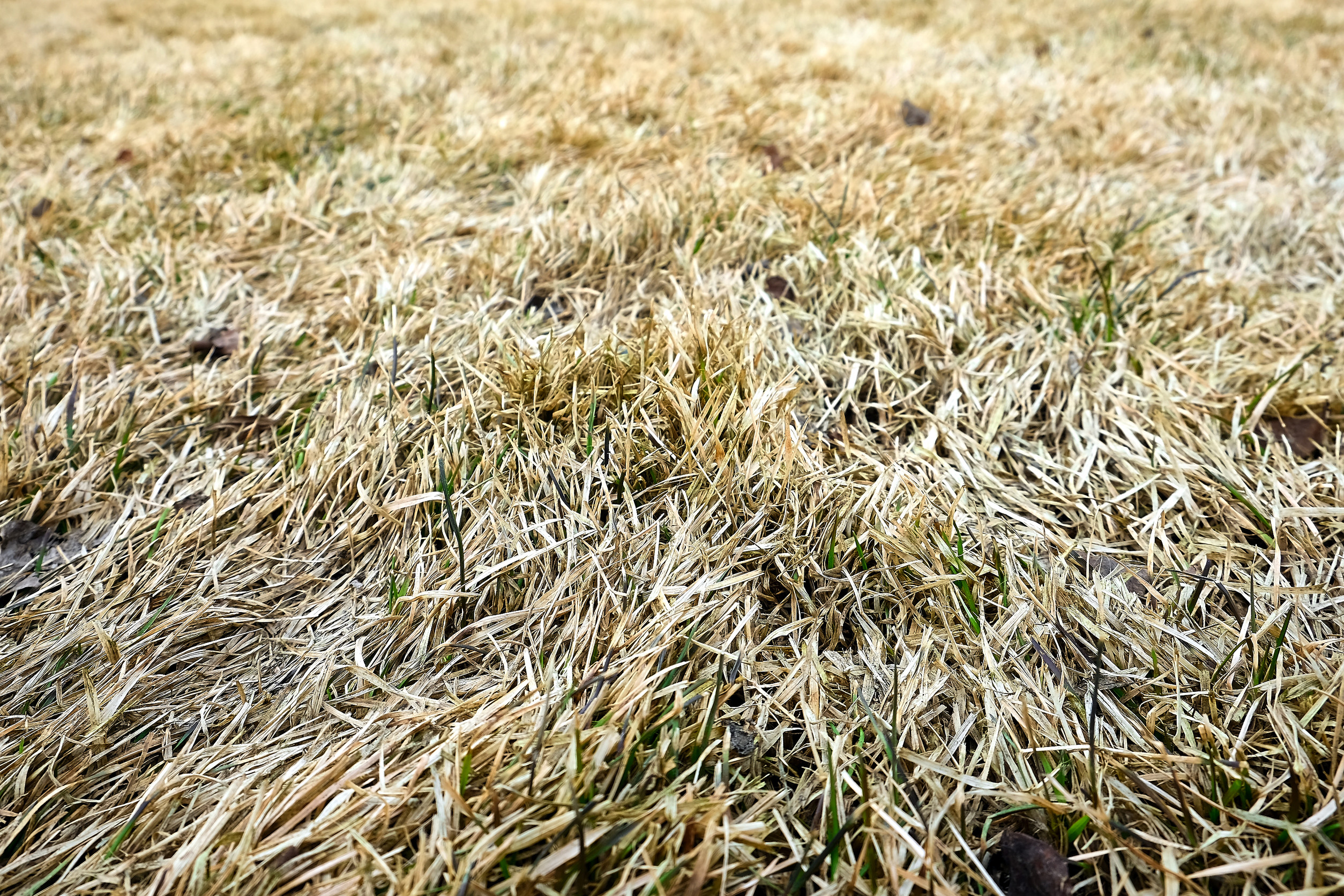
If your lawn suddenly turns brown in winter, it’s easy to assume the worst. The good news? In most cases, your grass isn’t dead—it’s dormant. Dormancy is a natural survival response that helps grass conserve energy during cold or dry conditions. Understanding what dormant grass looks like can give you peace of mind and help you care for your lawn properly until spring.
What Is Dormant Grass?
Dormant grass is alive, but it’s essentially “resting.” When temperatures drop or moisture becomes scarce, grass slows down growth and focuses on protecting its roots. In North Texas, cool-season weather typically causes warm-season grasses like Bermuda and St. Augustine to go dormant in late fall or early winter.
What Does Dormant Grass Look Like?
Dormant grass has some clear visual signs that set it apart from dead or damaged turf:
-
Color: The most noticeable change is color. Dormant grass usually turns tan, straw-colored, or light brown rather than vibrant green.
-
Texture: The blades feel dry and brittle on the surface, but the roots underneath remain alive.
-
Growth: You’ll notice little to no growth, even after watering or mild weather.
-
Uniform Appearance: Dormancy typically affects the lawn evenly. If the browning is widespread and consistent, dormancy is likely the cause.
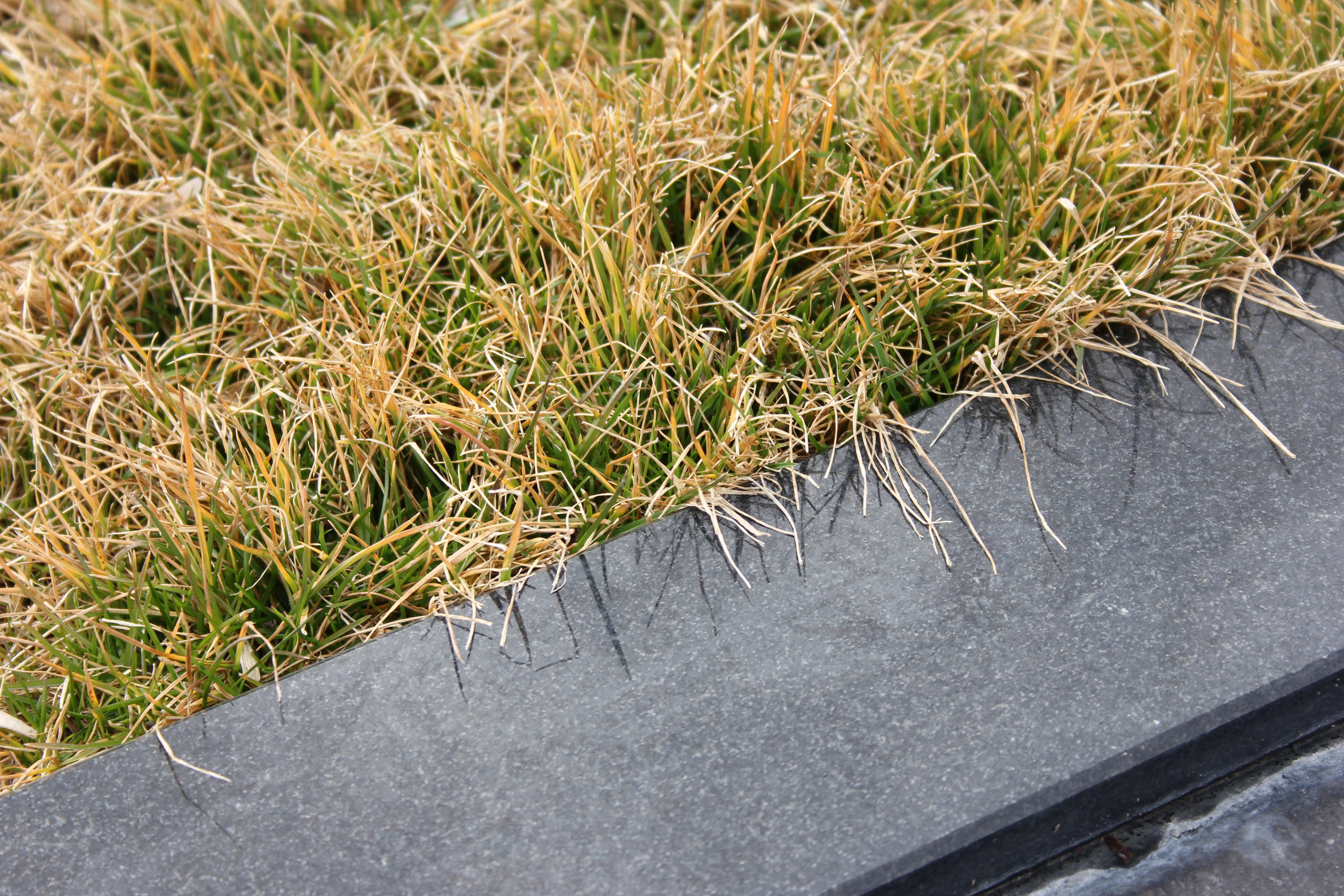
Dormant Grass vs. Dead Grass
| Feature | Dormant Grass | Dead Grass |
|---|---|---|
| Color | Tan or light brown | Gray, patchy brown, or bare areas |
| Root Health | Roots are alive | Roots are damaged or dead |
| Response to Water | No immediate change | No recovery after watering |
| Seasonal Recovery | Greens up in spring | Requires reseeding or replacement |
| Overall Pattern | Even across the lawn | Uneven, spotty damage |
When Does Grass Go Dormant?
In North Texas, dormancy typically begins when soil temperatures fall below about 55°F. Warm-season grasses like Bermuda, St. Augustine, and Zoysia enter dormancy during winter, while cool-season grasses may remain green longer.
Is Dormant Grass Healthy?
Yes—dormancy is a protective mechanism. It allows grass to survive cold snaps, frost, and limited sunlight. While dormant grass may not look great, it’s actually preparing for a healthier green-up in spring.
Wondering when your grass will turn green again? Read one of our other articles titled, “When Will My Grass Start Growing?”
How to Care for Dormant Grass
Even though growth slows, dormant lawns still benefit from light care:
-
Limit foot traffic to avoid crushing brittle blades.
-
Water occasionally during extended dry periods to protect roots.
-
Avoid fertilizing, which can stress dormant grass.
-
Keep debris off the lawn to prevent mold or disease.
When to Worry About Your Lawn
If your lawn remains brown well into spring or shows uneven patches that don’t respond to warmer temperatures, the issue may be something other than dormancy—such as disease, soil compaction, or pest damage.
Final Thoughts
Dormant grass may look lifeless, but it’s simply taking a seasonal break. Knowing what dormant grass looks like helps you avoid unnecessary treatments and focus on the right care at the right time. With patience and proper winter maintenance, your lawn should bounce back beautifully when spring arrives.
FAQ about Dormant Lawns
How do you know if your grass is dormant?
Dormant grass turns tan or light brown, stops growing, and looks dry on top but has healthy roots underneath; it will green up again when temperatures warm.
What month does grass go dormant?
In North Texas, warm-season grasses typically go dormant between late October and December, depending on temperatures and the first hard frost.
How long does it take for dormant grass to come back?
Dormant grass usually begins to green up 2–4 weeks after consistent warm temperatures return in spring, once soil temperatures rise above about 55°F.
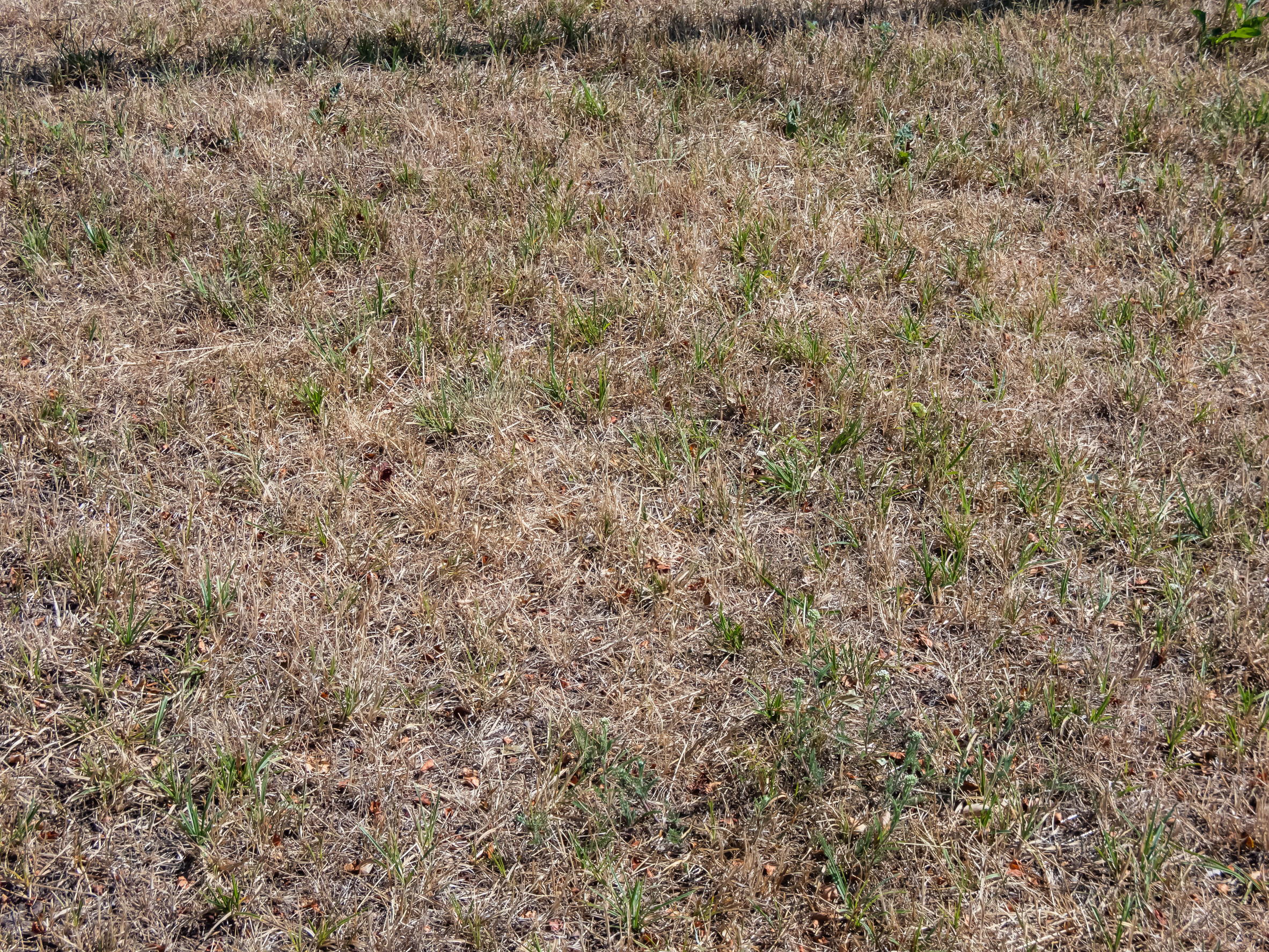
What does dead grass look like in the fall?
Dead grass often appears patchy, grayish-brown, or bare, and it does not recover with watering or warmer weather.

Michelle Valdivia
Michelle brings expertise in educational communication to lawn care content creation. She holds degrees in Human Development and Family Studies and Education. Over four years, she has created professional web content for landscaping and lawn care businesses, collaborating with experienced lawn care teams to ensure each blog post is rooted in real-world expertise.