
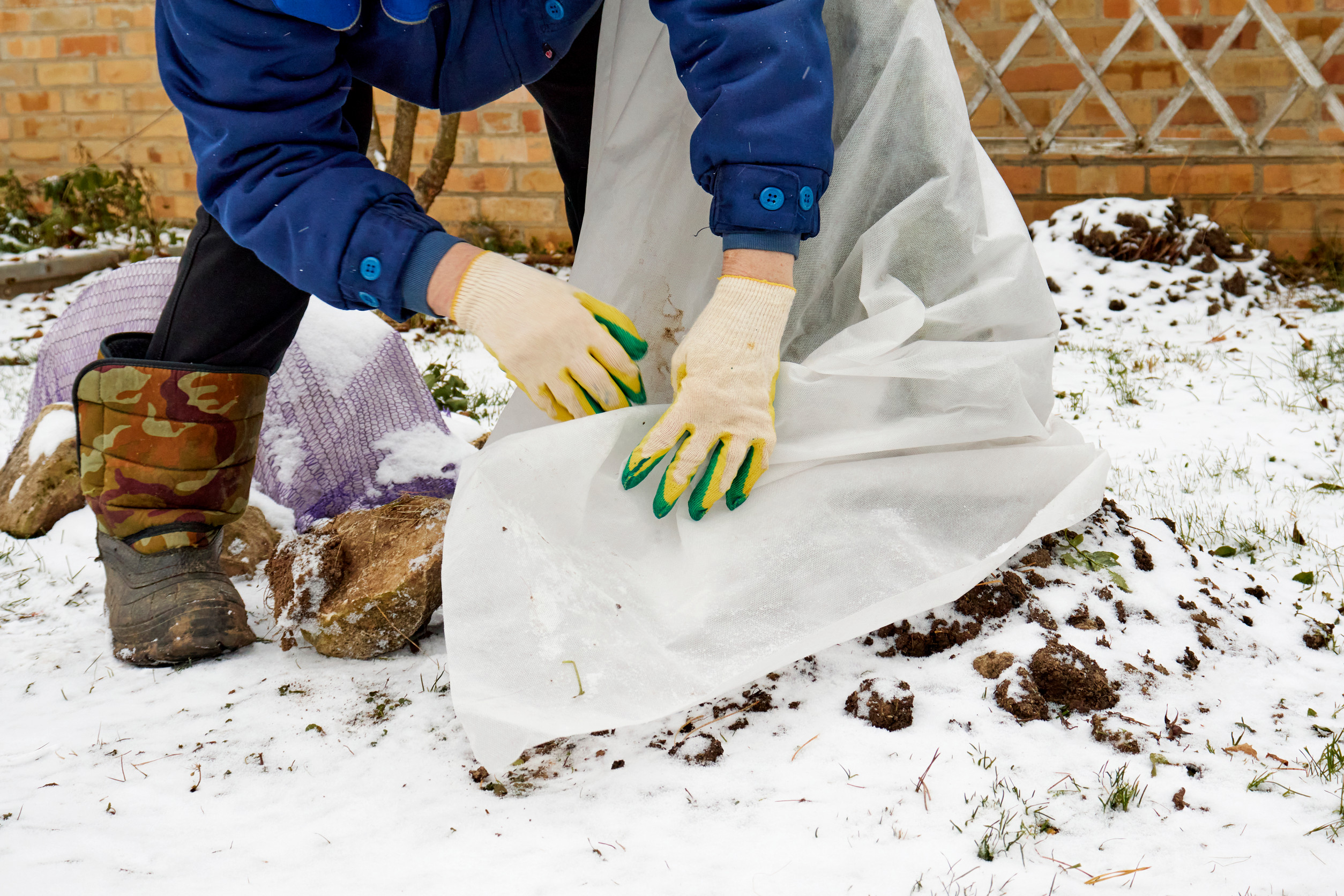
Cold snaps can arrive quickly, and even a short freeze can damage or kill vulnerable plants. Knowing what plants need to be covered during a freeze—and which can safely stay exposed—helps homeowners prevent costly plant loss and spring setbacks. Whether you maintain a landscaped yard, vegetable garden, or decorative planters, timely protection makes a measurable difference.
This guide explains which plants need freeze protection, why they’re at risk, and how to cover them effectively.
Why Some Plants Need Freeze Protection
Plants vary in cold tolerance based on their species, maturity, and root depth. Tender plants contain higher water content in their cells, which can freeze and rupture during cold temperatures. Established, woody plants typically handle brief freezes better than soft-stemmed or newly planted varieties.
Freeze damage often occurs when temperatures drop below 32°F, especially if the cold lasts several hours or is accompanied by wind.
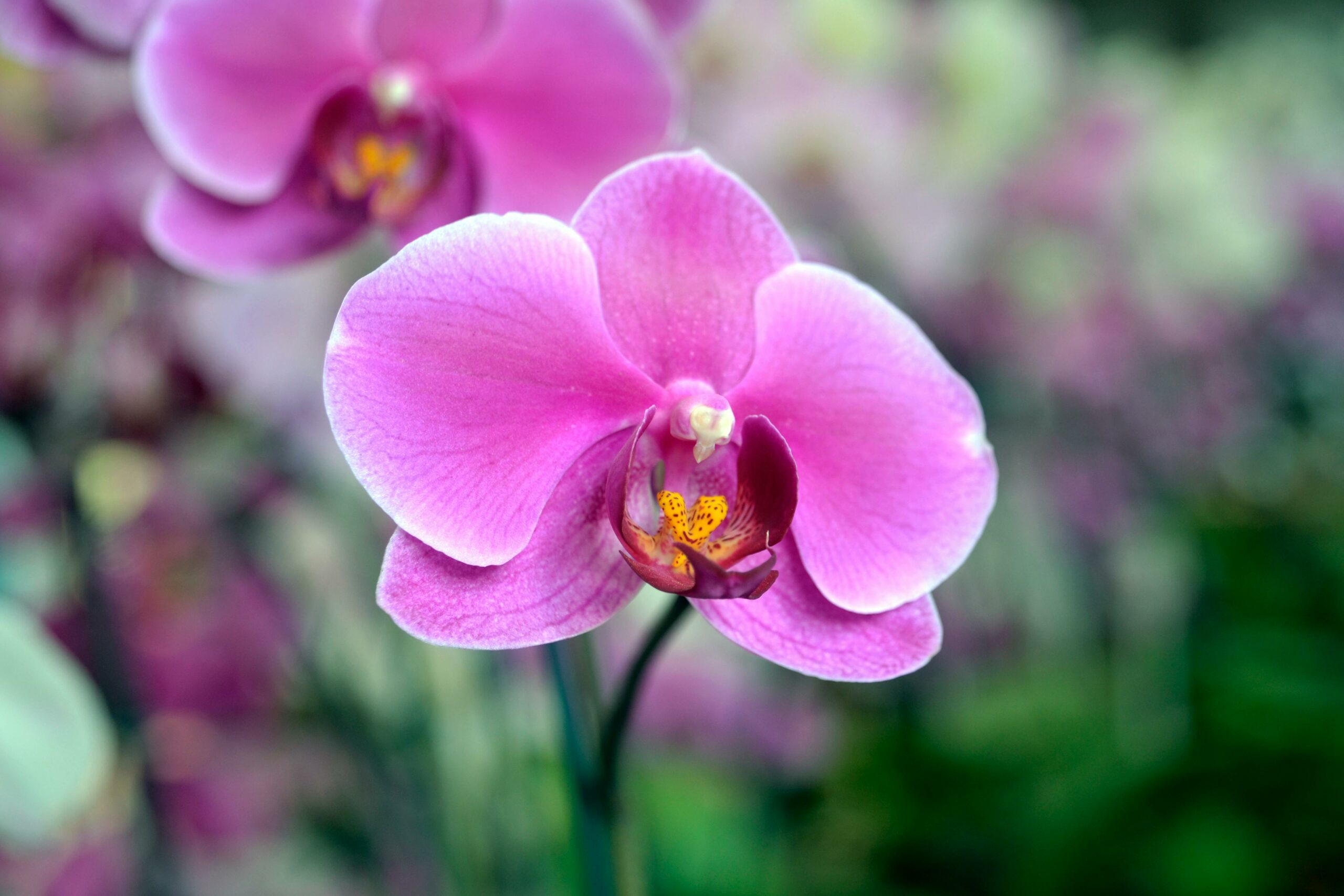
Plants That Should Be Covered During a Freeze
1. Tropical and Subtropical Plants
These plants are adapted to warm climates and are highly sensitive to cold.
Examples include:
- Hibiscus
- Bougainvillea
- Banana plants
- Citrus trees (especially young trees)
- Elephant ears
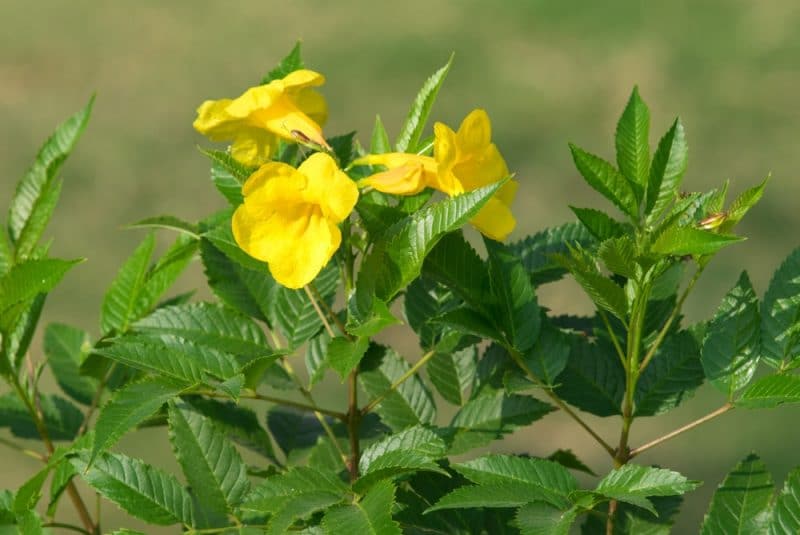
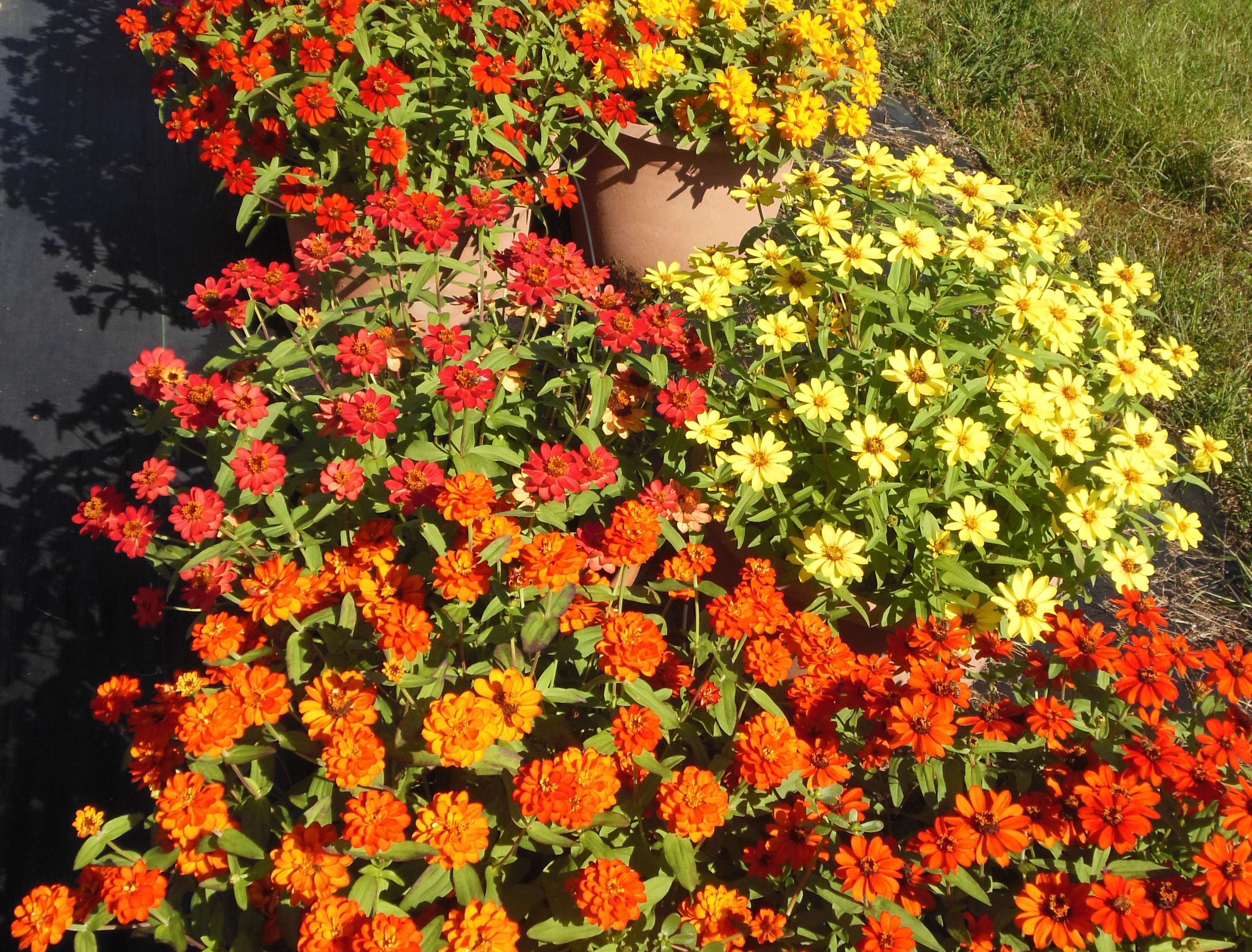
2. Annual Flowers
Annuals complete their life cycle in one season and typically lack cold tolerance.
Common annuals to cover:
- Petunias
- Impatiens
- Marigolds
- Begonias
- Zinnias
3. Vegetable Plants
Many vegetables suffer damage when exposed to frost or freezing air.
Most vulnerable vegetables:
- Tomatoes
- Peppers
- Squash
- Cucumbers
- Basil
Cool-season crops like kale and spinach can tolerate light frost but still benefit from protection during hard freezes.
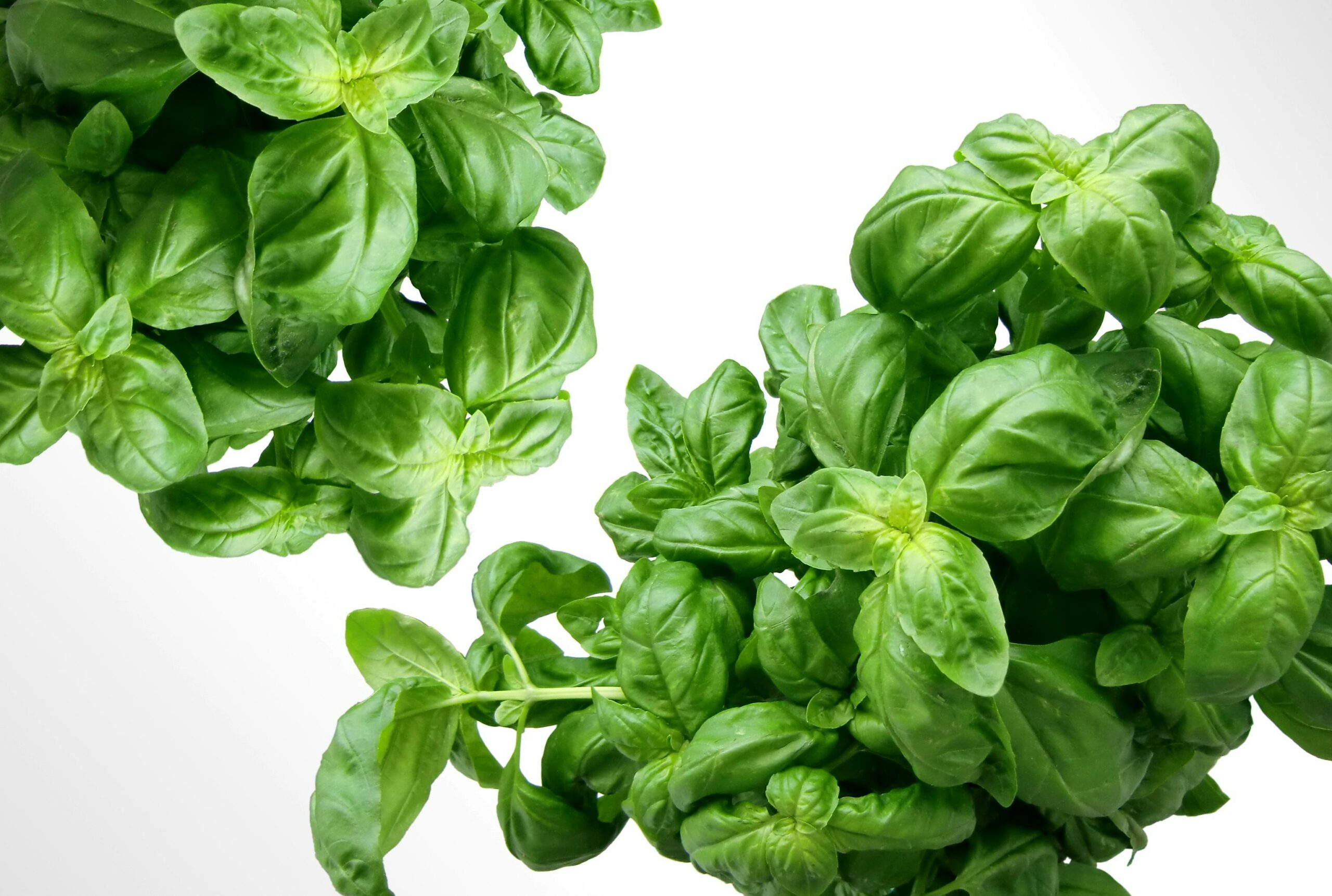
4. Newly Planted Shrubs and Trees
Even cold-hardy plants are at risk if they were planted recently. Their roots have not fully established, making them more susceptible to freeze damage.
5. Potted and Container Plants
Container plants are more exposed because their roots are above ground. Soil in pots freezes faster than soil in garden beds.
Plants That Typically Do Not Need Covering
Some plants are naturally adapted to cold conditions and usually do not require protection.
These include:
- Established native trees
- Dormant turfgrass
- Perennial plants rated for your USDA hardiness zone
- Evergreen shrubs (check out our pdf on evergreen shrubs)
Freeze-Sensitive Plants Chart
| Plant Type | Cover During Freeze? | Notes |
|---|---|---|
| Tropical plants | Yes | Highly sensitive to cold |
| Annual flowers | Yes | Likely to die if unprotected |
| Warm-season vegetables | Yes | Damage occurs below 32°F |
| Newly planted trees | Yes | Roots not fully established |
| Potted plants | Yes | Roots freeze quickly |
| Established perennials | Sometimes | Depends on hardiness zone |
| Native trees | No | Usually cold-tolerant |
| Dormant grass | No | Freeze is part of dormancy |
How to Cover Plants Properly
Covering plants incorrectly can cause as much harm as not covering them at all.
Best practices include:
- Use frost cloths, breathable fabric, or old sheets
- Avoid plastic touching leaves directly
- Anchor covers to the ground to trap heat
- Remove covers once temperatures rise above freezing
- Water plants before a freeze; moist soil retains warmth better than dry soil
For larger shrubs, wrapping from the base upward helps retain ground heat. Mulching before a freeze helps protect plants. We offer a mulching service to help you, help your plants survive this cold weather!
When to Cover Plants Before a Freeze
Plants should be covered before sunset when freezing temperatures are expected overnight. This helps trap residual heat from the soil. Waiting until temperatures drop can reduce the effectiveness of the cover.
Common Freeze Protection Mistakes
- Using plastic without insulation
- Forgetting to remove covers during the day
- Leaving potted plants outdoors during extended freezes
- Ignoring wind exposure, which accelerates heat loss
Final Thoughts
Understanding what plants need to be covered during a freeze allows homeowners to protect their landscape proactively. A few minutes of preparation can prevent months of regrowth, replacement costs, and frustration. Paying attention to plant type, temperature forecasts, and proper covering techniques makes cold weather far less damaging to your yard and garden.

Michelle Valdivia
Michelle brings expertise in educational communication to lawn care content creation. She holds degrees in Human Development and Family Studies and Education. Over four years, she has created professional web content for landscaping and lawn care businesses, collaborating with experienced lawn care teams to ensure each blog post is rooted in real-world expertise.