
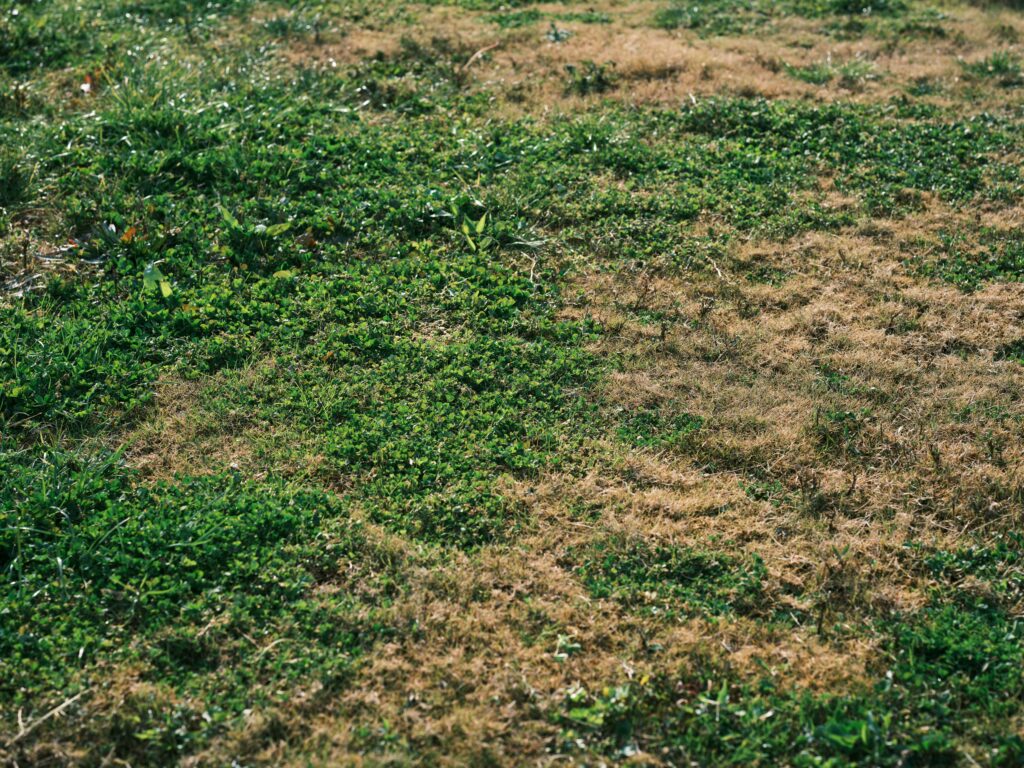
If it feels like weeds return no matter how many times you pull, spray, or treat them—you’re not imagining it. Weeds keep coming back because most removal methods only fix the visible problem, not the root cause.
In real lawns, weeds are less about bad luck and more about timing, soil conditions, and missed steps.
Reasons Weeds Keep Coming Back
Weeds return because:
- Seeds stay viable in soil for years
- Roots and rhizomes survive shallow removal
- Bare or stressed turf invites new growth
- Weed control is applied at the wrong time
- Soil conditions favor weeds over grass
Fix those issues, and weed pressure drops dramatically.
The Weed Seed Bank Problem (What Most Articles Skip)
Your lawn contains what professionals call a weed seed bank—thousands of dormant seeds just waiting for the right conditions.
Real-world reality:
- Crabgrass seeds can stay viable up to 3 years
- Dandelion seeds travel miles on the wind
- One mature weed can produce thousands of seeds
That’s why pulling one weed today doesn’t stop new ones next week.
What actually helps:
Stopping weeds before they sprout—not just after you see them.
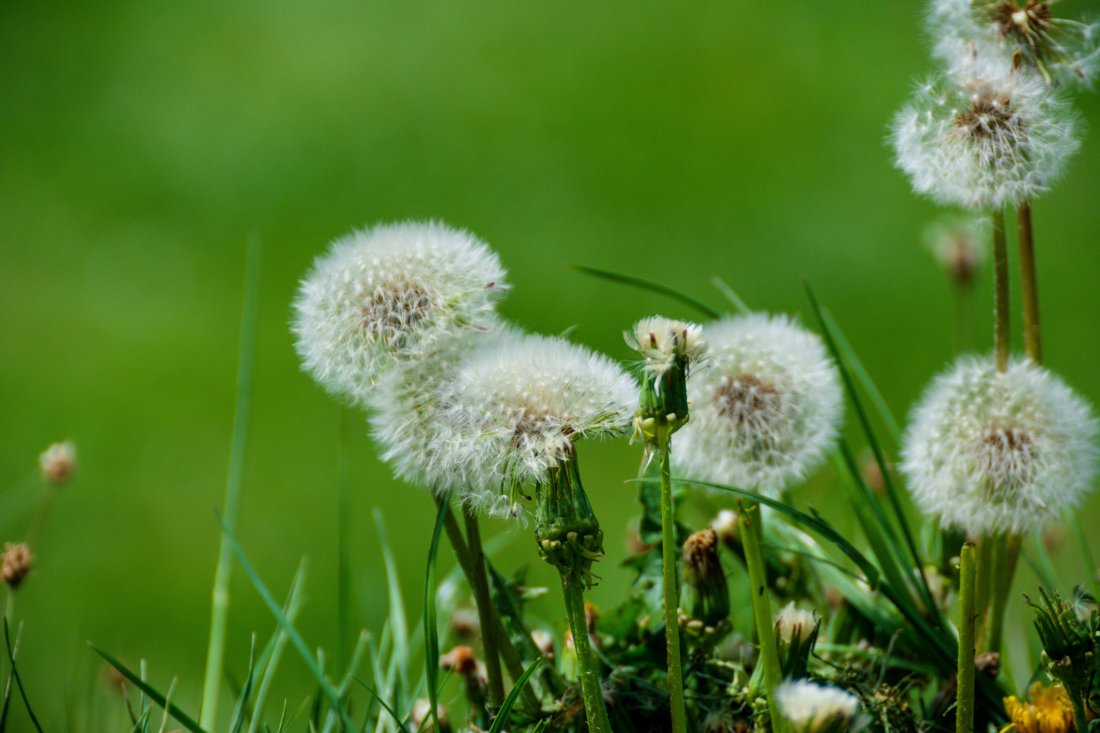
You’re Killing the Top—Not the Root
Many weeds survive because their roots remain intact.
Examples I see constantly:
- Dandelions snap off, leaving taproots behind
- Nutsedge spreads underground through tubers
- Bermudagrass weeds creep laterally beneath soil
If even part of the root system survives, the weed returns—often stronger.
Real fix:
Target the weed type. Broadleaf weeds, grassy weeds, and sedges all require different control strategies.
Thin or Stressed Grass Invites Weeds
Healthy turf is your best weed prevention.
Weeds thrive when:
- Grass is cut too short
- Soil is compacted
- Lawns are underwatered or overwatered
- Nutrients are out of balance
In my experience, thin lawns get weeds even with herbicide—thick lawns rarely do. Read what Texas A&M has to say about mowing recommendations for warm-season grasses.
Rule of thumb:
If you can see soil between grass blades, weeds will find it.
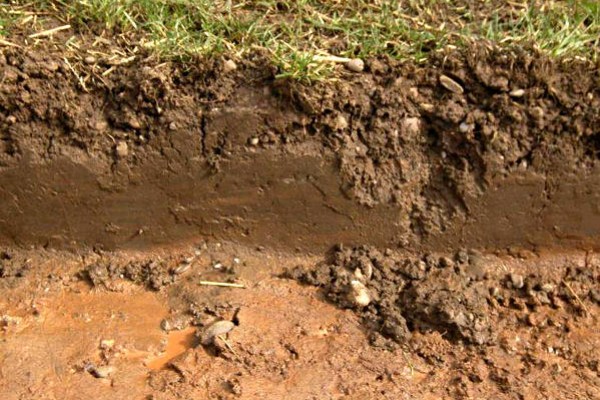
Timing Is Everything (And It’s Often Wrong)
One of the biggest real-world mistakes is applying weed control at the wrong time.
Common examples:
- Pre-emergent applied after weeds already sprouted
- Post-emergent sprayed during heat stress
- Spring weeds treated too late in the season
Weed control works best when:
- Pre-emergent is applied before soil warms
- Post-emergent is applied while weeds are actively growing
- Lawn is healthy enough to recover
Miss the timing, and the weeds win.
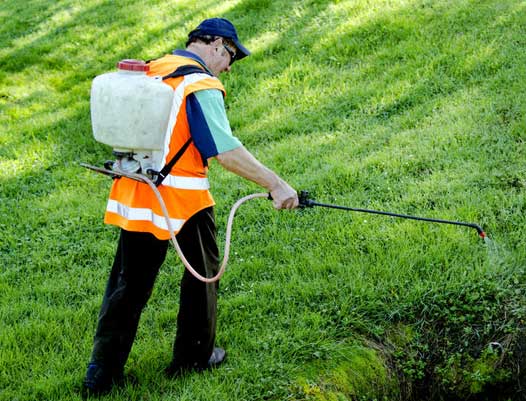
Why Pulling Weeds Alone Doesn’t Work
Hand-pulling feels productive—but it’s rarely a long-term solution.
Why:
- You disturb soil, exposing new seeds
- Roots often break off
- You can’t keep up with germination cycles
Pulling weeds works only when combined with:
- Proper mowing height
- Fertilization
- Pre-emergent control
- Soil improvement
Otherwise, you’re just resetting the clock.
Not sure which weed is invading your lawn? Our Texas Lawn Weeds Identification Guide can help you identify the most common weeds found across North Texas so you can choose the right treatment. Read the guide before tackling your next weed problem.
Soil Conditions Matter More Than You Think
Certain weeds appear because your soil is telling you something.
Examples:
- Clover → low nitrogen
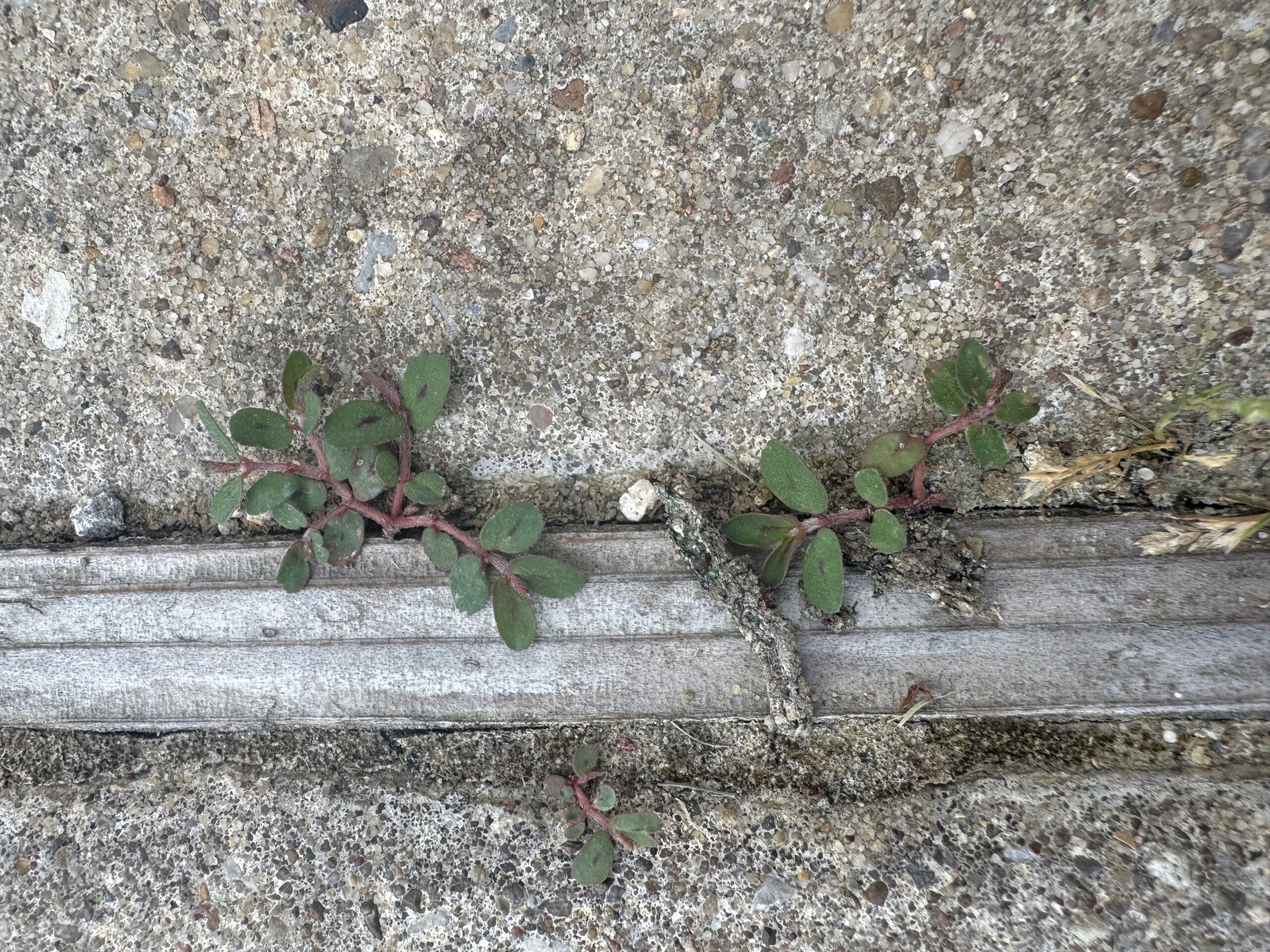
- Spurge → compacted soil
- Nutsedge → poor drainage
- Crabgrass → weak turf coverage
Weeds are symptoms—not the disease.
Real solution:
Improve soil health and turf density instead of chasing weeds one by one. Rejuvenate your soil with a top dressing service.
What Actually Stops Weeds From Coming Back
Here’s what works consistently in real lawns:
✔ Apply pre-emergent at the right soil temperature
✔ Mow higher to shade out weed seedlings
✔ Water deeply, not frequently
✔ Feed grass to outcompete weeds
✔ Use targeted herbicides—not one-size-fits-all
✔ Install sod in thin areas
✔ Fix drainage and compaction issues
When grass thrives, weeds struggle.
Pros & Cons of Common Weed Control Methods
Pulling Weeds
✔ Immediate results
✘ Temporary fix
Spray Herbicides
✔ Effective when timed correctly
✘ Can fail if misapplied
Pre-Emergent
✔ Prevents most annual weeds
✘ Doesn’t kill existing weeds
Professional Lawn Programs
✔ Consistent, season-long control
✘ Requires commitment
Honest truth? Weed control is a process, not a single treatment.
Why Weeds Feel “Worse Every Year”
Because each year without proper prevention:
- More seeds enter the soil
- Lawn density declines
- Weeds adapt faster than turf
The longer weeds go unmanaged, the harder they are to control.
What We’ve Seen Firsthand (And Why Most Weed Treatments Fail)
In real lawns—not perfect demo photos—we’ve seen the same pattern over and over: homeowners treat visible weeds, see short-term results, and then feel frustrated when the weeds come back stronger a few weeks later. In one North Texas yard we worked on, weeds returned three times in one season—not because the product the homeowner applied failed, but because pre-emergent timing was off by just a few weeks and the lawn was being watered too frequently.
Once we adjusted the treatment schedule to soil temperature (not calendar dates), corrected the watering routine, and focused on strengthening the turf instead of spot-spraying, weed pressure dropped dramatically within a single growing cycle.
That experience reinforced a key lesson: lasting weed control isn’t about killing what you see—it’s about preventing what’s coming next.
Final Thoughts
Weeds don’t come back because you failed—they come back because:
- The conditions favor them
- The timing was off
- The solution didn’t match the problem
Once you address the why, weed control stops being frustrating and starts being predictable.
And predictable lawns are the easiest ones to maintain.

FAQ about Weed Control
How to get rid of weeds that keep coming back?
You have to kill the weed and prevent new seeds from germinating by improving lawn density, fixing bare spots, and using pre-emergent weed control at the right time of year.
How to permanently stop weeds from growing?
You can’t stop weeds forever, but you can dramatically reduce them by maintaining healthy turf, applying pre-emergents seasonally, and correcting soil issues that allow weeds to thrive.
Is it better to pull weeds or kill them?
Pulling works for small, shallow-rooted weeds, but deep-rooted or spreading weeds usually return unless they’re treated with targeted weed control that kills the root.
How to get rid of weeds permanently naturally?
Natural methods like mulching, hand removal, improving soil health, and installing sod in thin areas help suppress weeds long-term, but they require consistency and won’t eliminate weeds overnight.

Michelle Valdivia
Michelle brings expertise in educational communication to lawn care content creation. She holds degrees in Human Development and Family Studies and Education. Over four years, she has created professional web content for landscaping and lawn care businesses, collaborating with experienced lawn care teams to ensure each blog post is rooted in real-world expertise.