
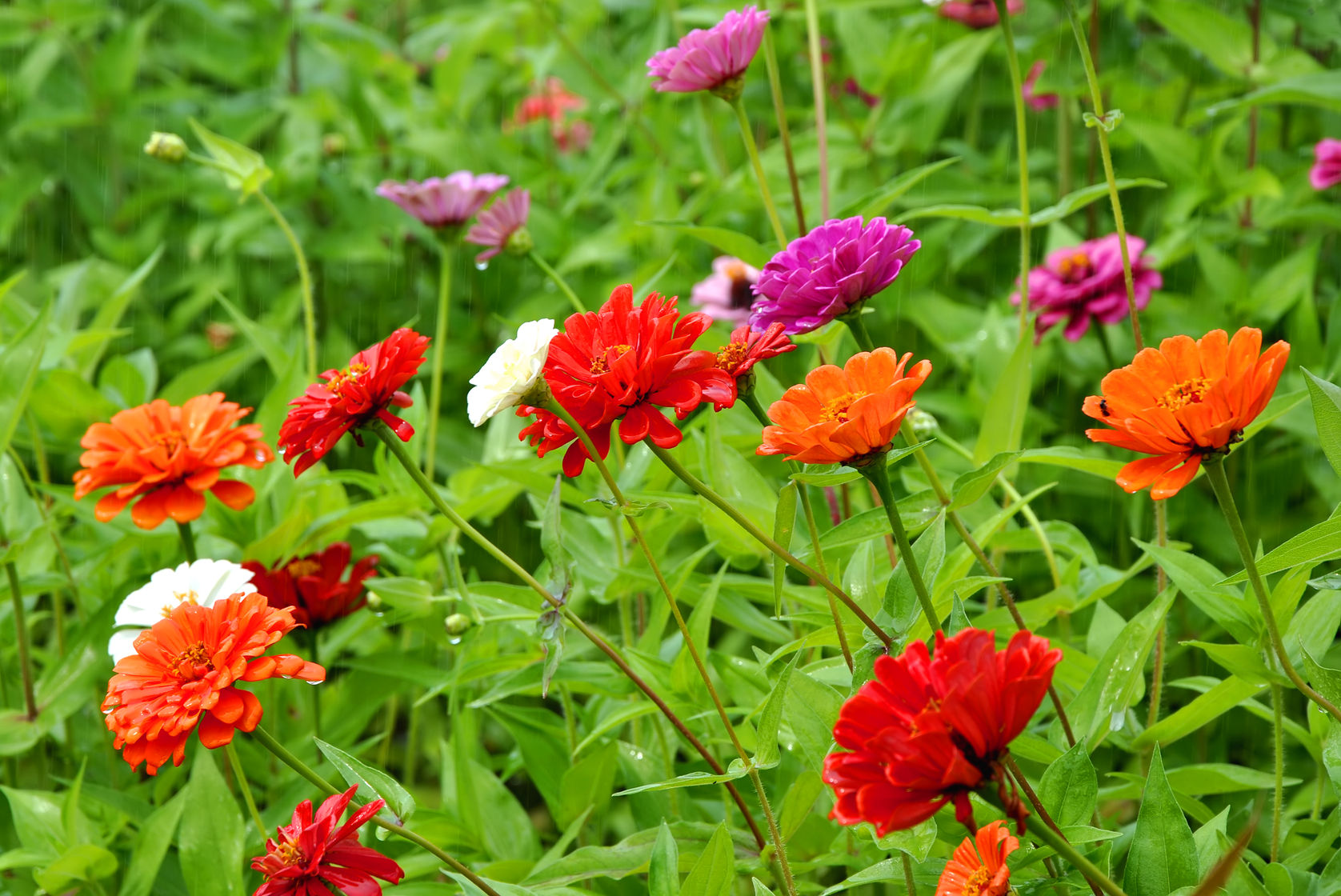
Summer gardening in Texas comes down to three non-negotiables: plants that shrug off heat, handle drought without complaint, and deliver color that doesn't fade in the sun. Zinnias check every box — and then some. If you're looking for a flower that thrives when the temperature climbs and the rain doesn't, zinnias deserve a spot at the top of your list.
Why Zinnias Are a Texas Superstar
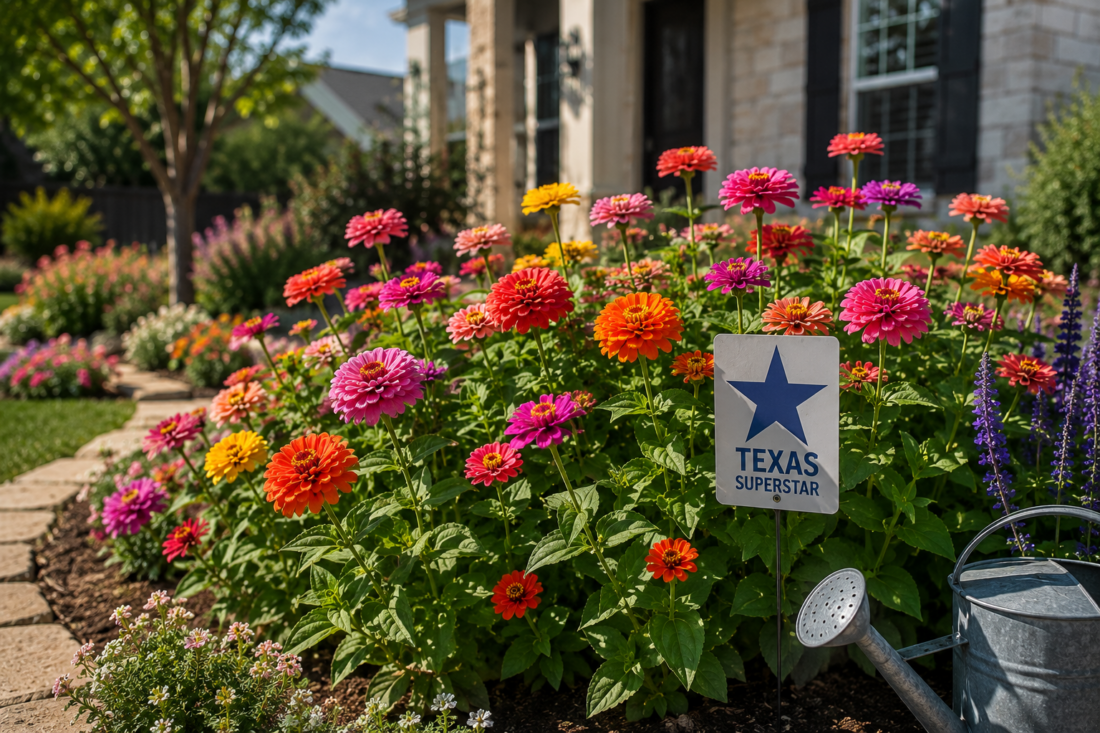
Zinnias have earned Texas Superstar® status, a designation reserved for plants proven to perform reliably in Texas heat, soil, and growing conditions. That's not a small distinction — it means these flowers have been tested against exactly the kind of summer most gardens have to survive.
As annuals, zinnias move fast: from seed to bloom to seed again, all within a single growing season. Their arrowhead-shaped seeds need very little coaxing to get started. Sow them directly into well-drained soil with full sun, and you'll typically see seedlings within days, with flowers following in just a few weeks.
Zinnia Elegans, Zinnia Marylandica, and Zinnia Hybrida: What's the Difference?
Not all zinnias are the same, and knowing the differences can help you pick the right variety for your garden.
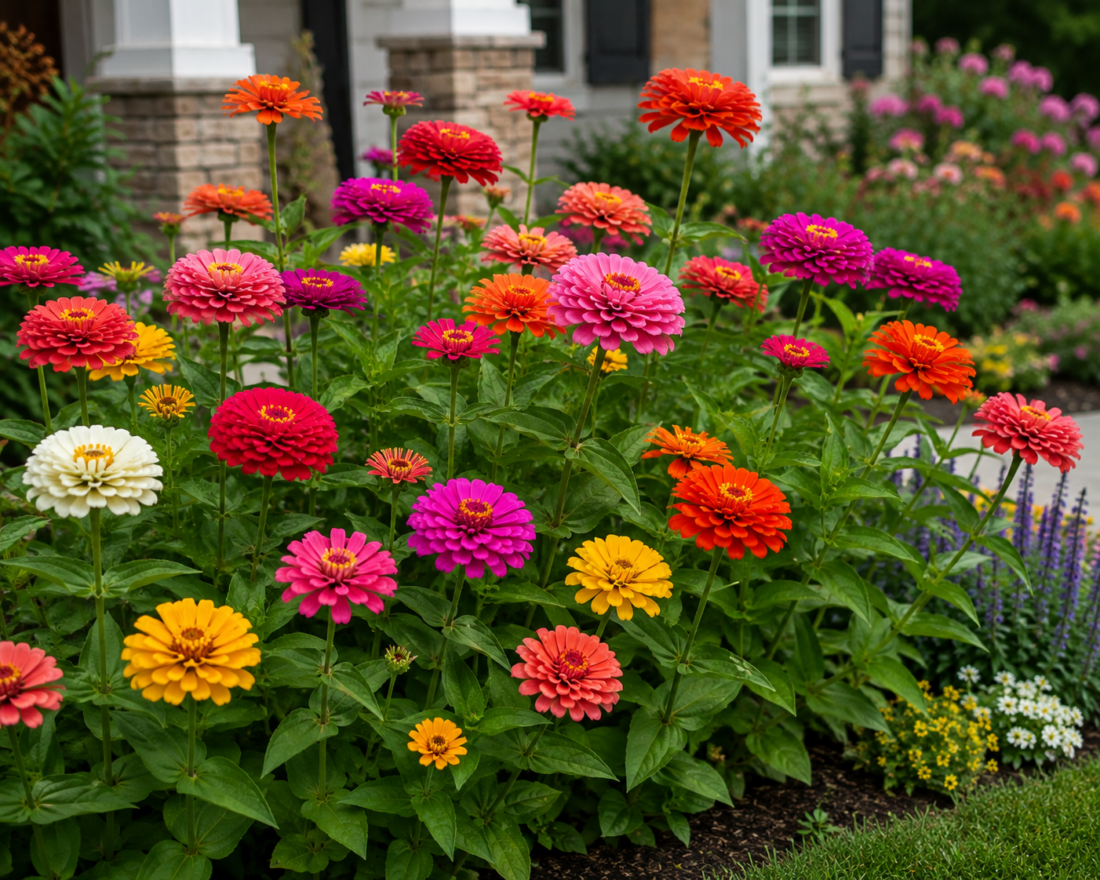
Zinnia elegans is the classic, traditional garden zinnia most people picture — tall, upright, and bushy, with large single, double, or semi-double blooms. Depending on the variety, it can range anywhere from about 8 inches to 3-4 feet tall, making it a favorite for cut-flower gardens.
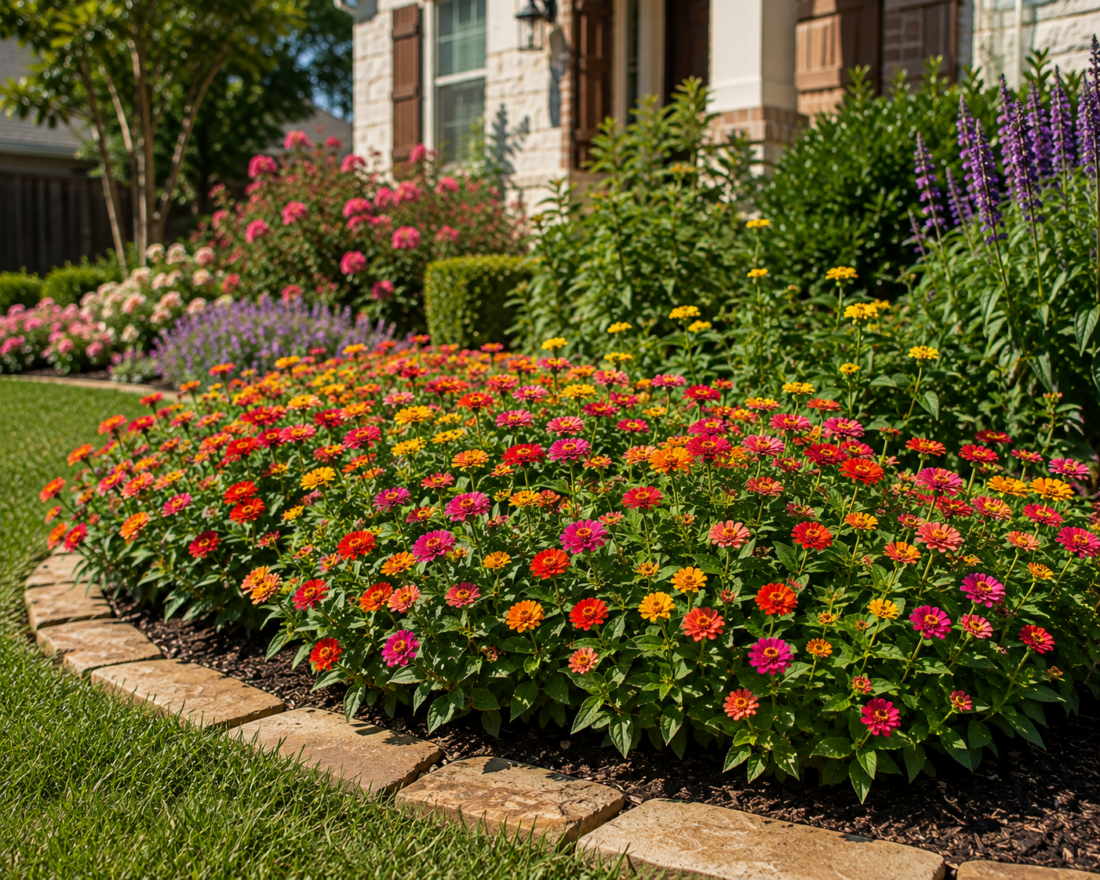
Zinnia marylandica is a hybrid developed by crossing common zinnias with narrowleaf zinnias, combining the best of both: cleaner foliage, stronger disease resistance, and excellent heat and drought tolerance. These typically stay compact, in the 12-18 inch range, and hold up especially well through late summer and into fall.
Zinnia hybrida covers a broader group of cultivar crosses (including popular series like Profusion and Pinwheel) prized for their compact, mounding growth habit and resistance to powdery mildew, a common zinnia headache in humid conditions.
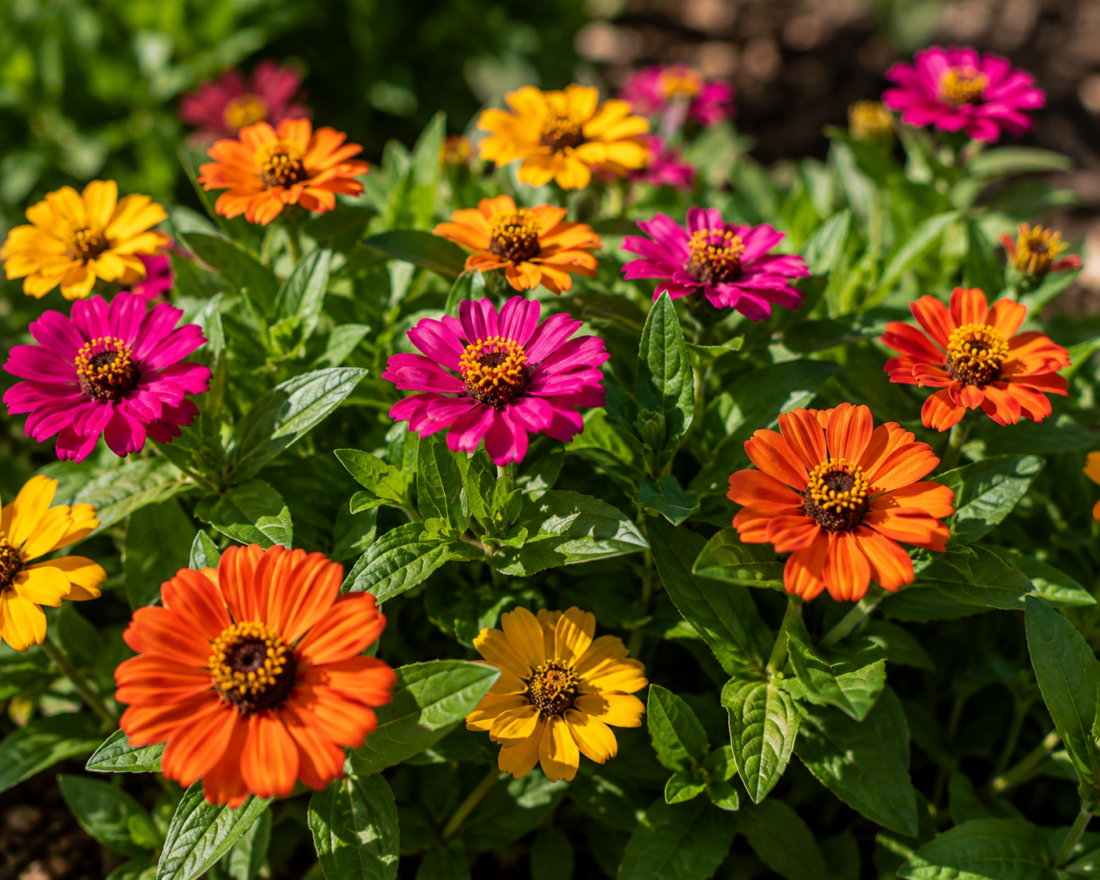
How to Grow Zinnias Successfully
Zinnias are about as forgiving as flowers get, but a little know-how goes a long way toward getting the fullest, longest-lasting blooms.
| Growing Factor | What Zinnias Need |
|---|---|
| Sunlight | Full sun — at least 6+ hours a day |
| Soil | Well-drained; adaptable to most soil types |
| Watering | Moderate; avoid overwatering once established |
| Planting Time | Spring through late summer for continuous color |
| Mature Height | 8 inches to 4 feet, depending on variety |
| Bloom Season | Late spring through first frost |
| Common Issues | Powdery mildew in humid, low-airflow conditions |
A few tips for best results:
- Give plants room to breathe — good air circulation helps prevent powdery mildew, especially in Texas humidity.
- Deadhead spent blooms on taller elegans varieties to encourage continuous flowering (many marylandica and hybrida types are largely self-cleaning and need little to no deadheading).
- Avoid overhead watering late in the day, since damp foliage overnight increases disease risk.
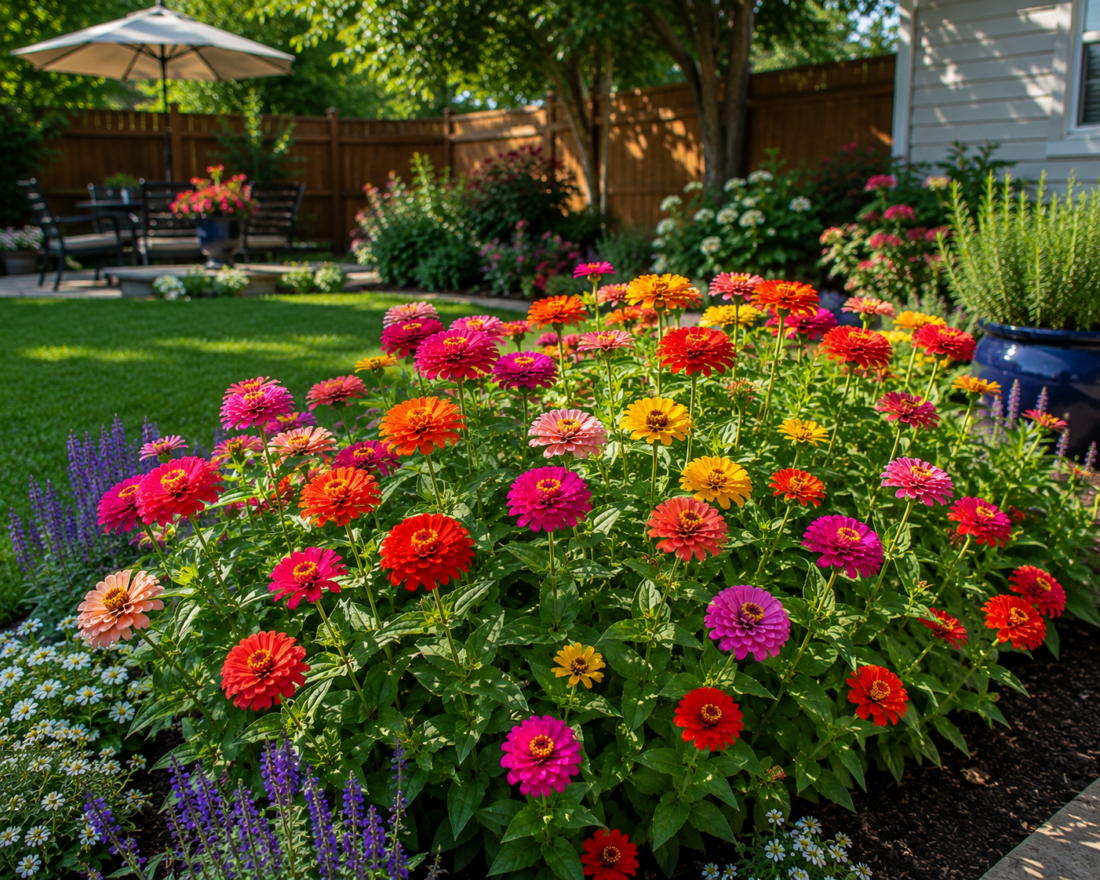
Why Zinnias Work So Well in Texas Landscapes
Beyond their ease of care, zinnias bring practical landscaping value: long bloom windows, strong pollinator appeal for bees and butterflies, and a color range that covers nearly every shade except true blue. Whether used in mass plantings, mixed borders, containers, or cutting gardens, zinnias adapt to nearly any layout.
That said, even the easiest plants benefit from a well-planned bed and consistent upkeep. If you'd rather leave the planning, planting, and maintenance to professionals, our garden landscaping services can help design and maintain a zinnia bed — or a full seasonal landscape — that keeps its color all summer long.
Keeping Your Zinnia Beds Looking Their Best
Even low-maintenance flowers like zinnias benefit from regular upkeep — weeding, soil care, seasonal transitions, and pruning as the season goes on. If your garden beds need consistent attention but your schedule doesn't have room for it, our team can help keep them healthy and vibrant all season.
FAQ: Growing Zinnias in Texas
Are zinnias really that easy to grow?
Yes. Zinnias are one of the most beginner-friendly annuals available. They germinate quickly from seed, tolerate heat and drought well once established, and require minimal maintenance compared to many other flowering annuals.
What's the difference between Zinnia elegans and Zinnia marylandica?
Zinnia elegans is the traditional, taller garden zinnia with larger blooms, while Zinnia marylandica is a hybrid bred for compact size, stronger disease resistance, and better heat and humidity tolerance — making it a strong choice for Texas summers.
Do zinnias need a lot of water?
No. Once established, zinnias are fairly drought-tolerant and prefer moderate watering over frequent watering. Overwatering can actually increase the risk of fungal issues like powdery mildew.
When should I plant zinnias in Texas?
Zinnias can be planted from spring through late summer. Many Texas Superstar varieties are especially well-suited to late-summer planting, providing color through fall until the first frost.
Do zinnias attract pollinators?
Yes. Zinnias are known for attracting bees, butterflies, and other pollinators, making them a great addition to any garden focused on supporting local wildlife.
Why are my zinnias getting a white, powdery coating on the leaves?
That's typically powdery mildew, a fungal issue common in humid climates. Improving air circulation between plants, avoiding overhead watering in the evening, and choosing disease-resistant varieties like Zinnia marylandica can help prevent it.

T. Stafford
Writing about gardening, lawn care, etc. to share what I've learned with others. I've lived in Texas my whole life, so I'm more familiar with this region's native plants.