
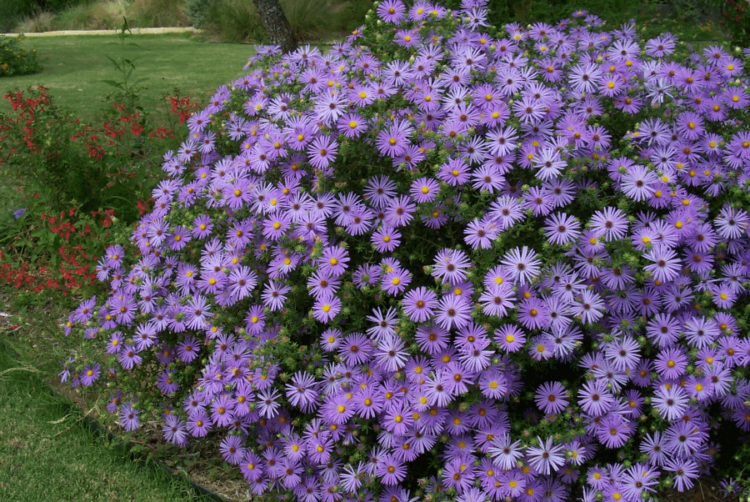

Bookmark this page! We’ve put together a list of our favorite drought tolerant plants for Texas landscaping projects. Keep it handy by bookmarking this page for future reference!
Drought tolerant plants are plants that have adapted to the area’s adverse conditions, such as high temperatures and little water. These plants can survive the Texas weather and still maintain their ‘good looks.”
If you want low maintenance plants, this is your go-to list. We use the plants below heavily in our Landscaping designs, and we highly recommend them for Texas yards.
Why Choose Drought-Tolerant Plants?
Choosing drought-tolerant plants offers several benefits for homeowners:
- Lower water usage and utility costs
- Reduced maintenance and upkeep
- Better survival during extreme heat
- Long-term landscape sustainability
- Stronger, more resilient plant growth
These plants are ideal for homeowners who want a yard that looks great without constant watering and care.
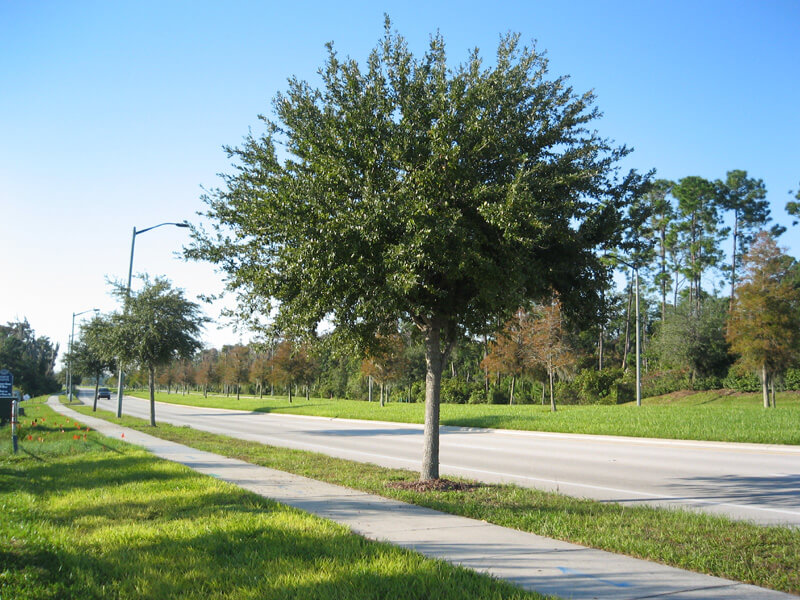
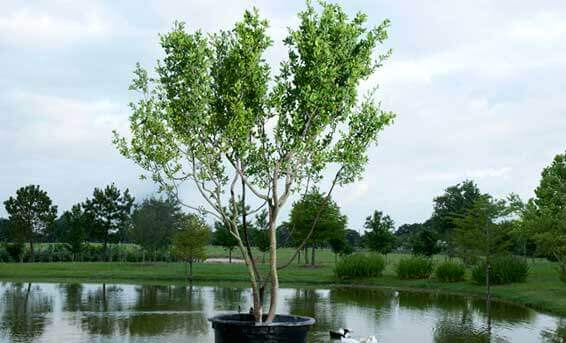
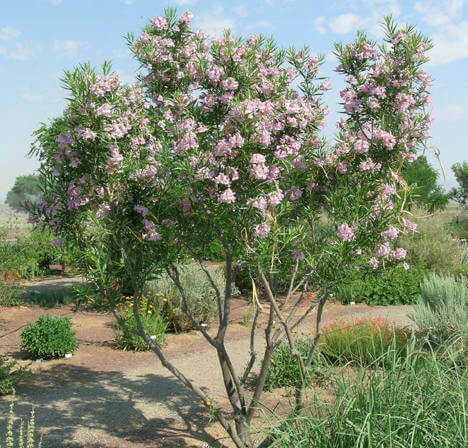
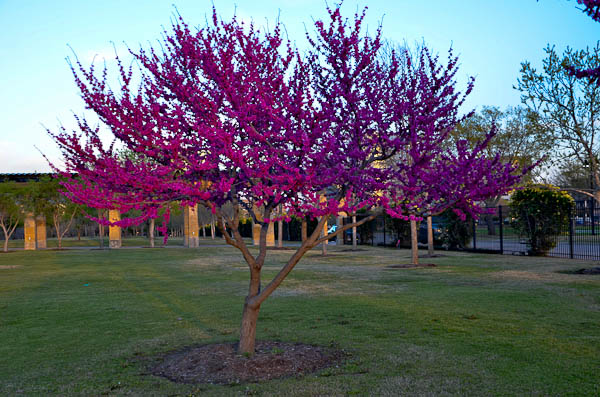
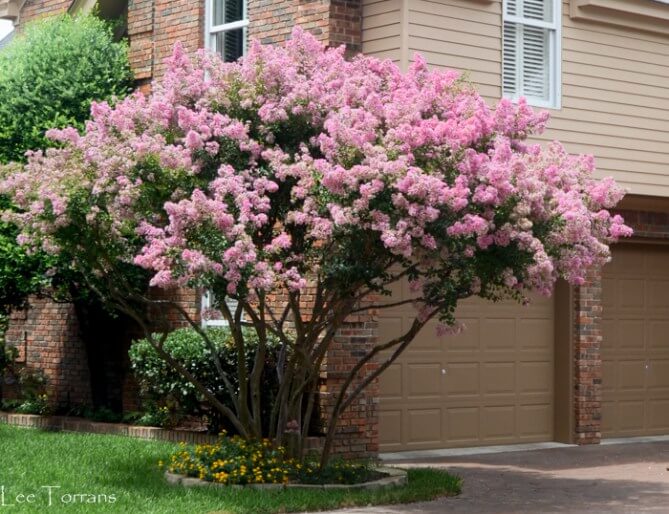
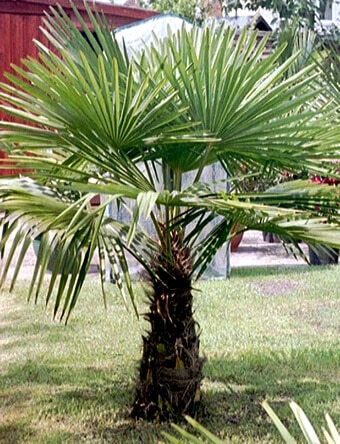
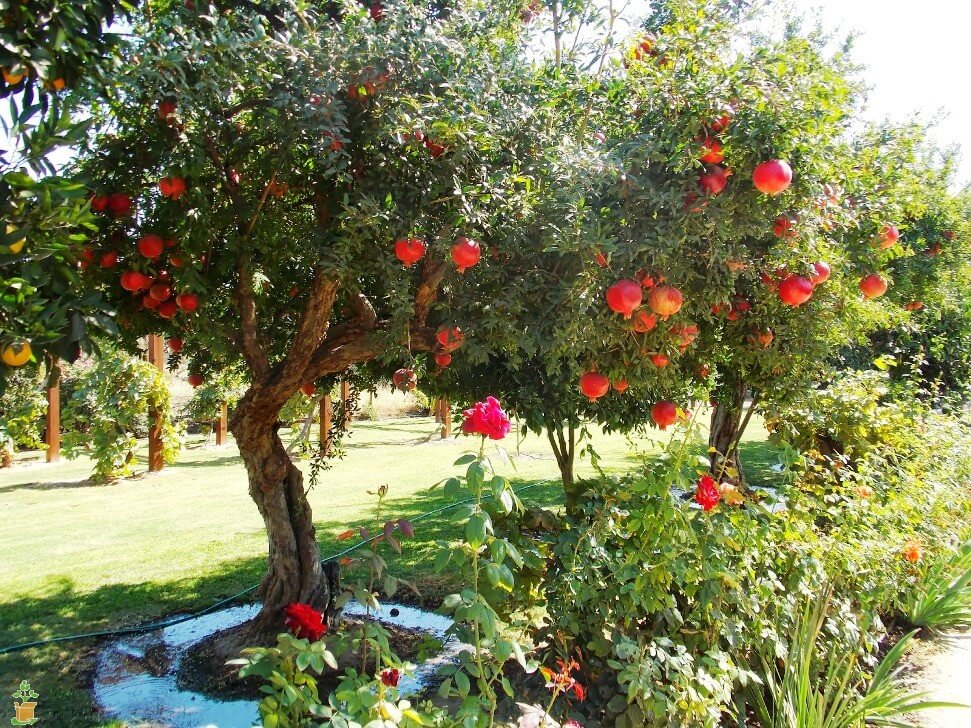
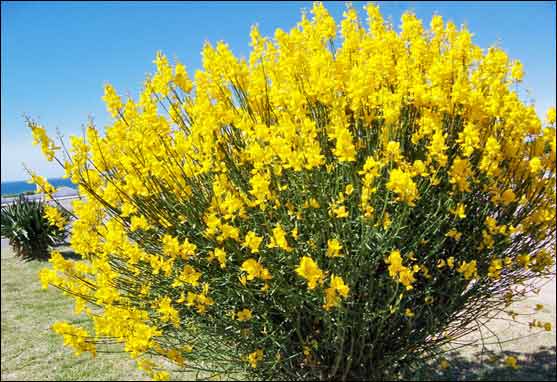
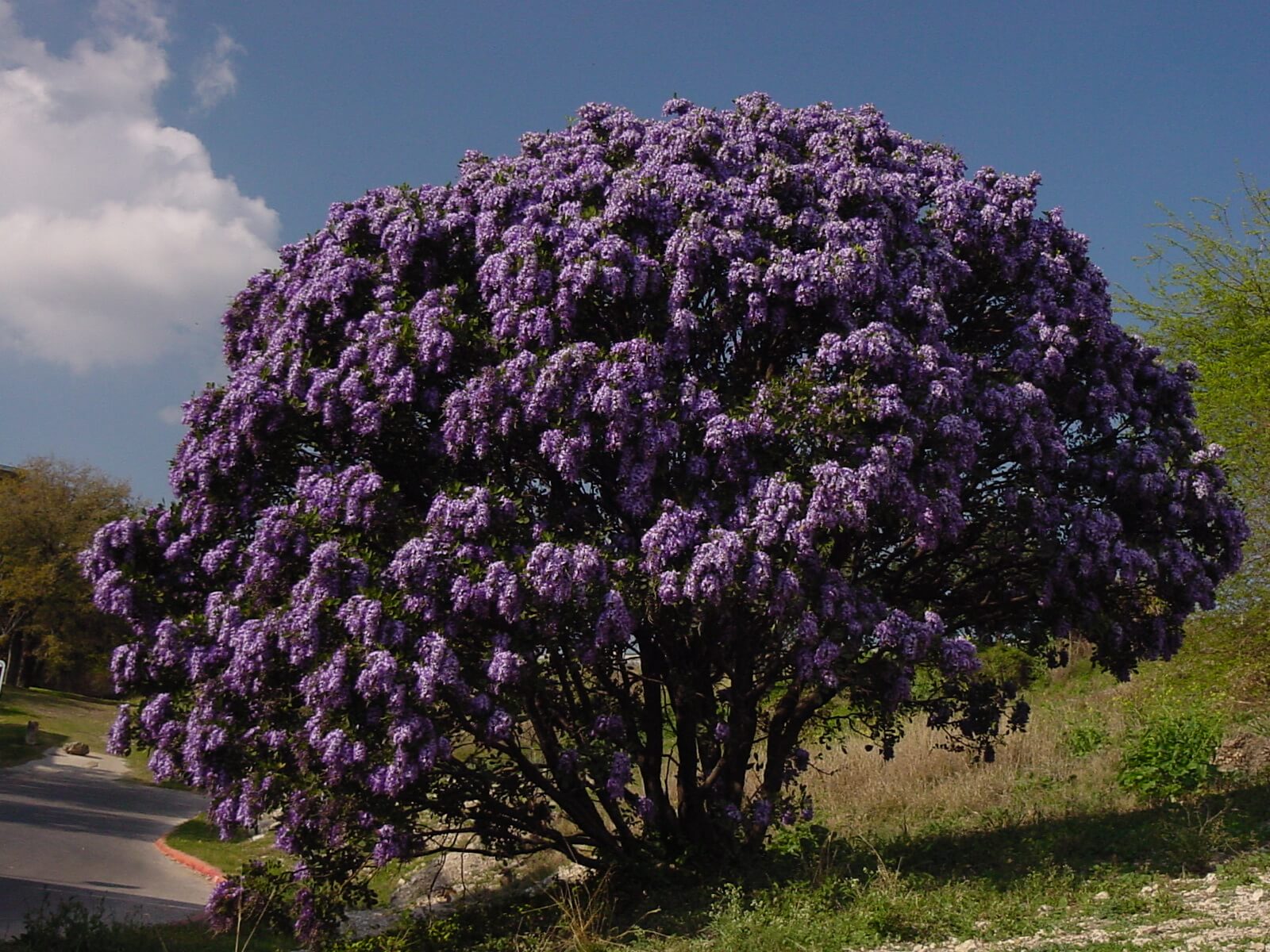
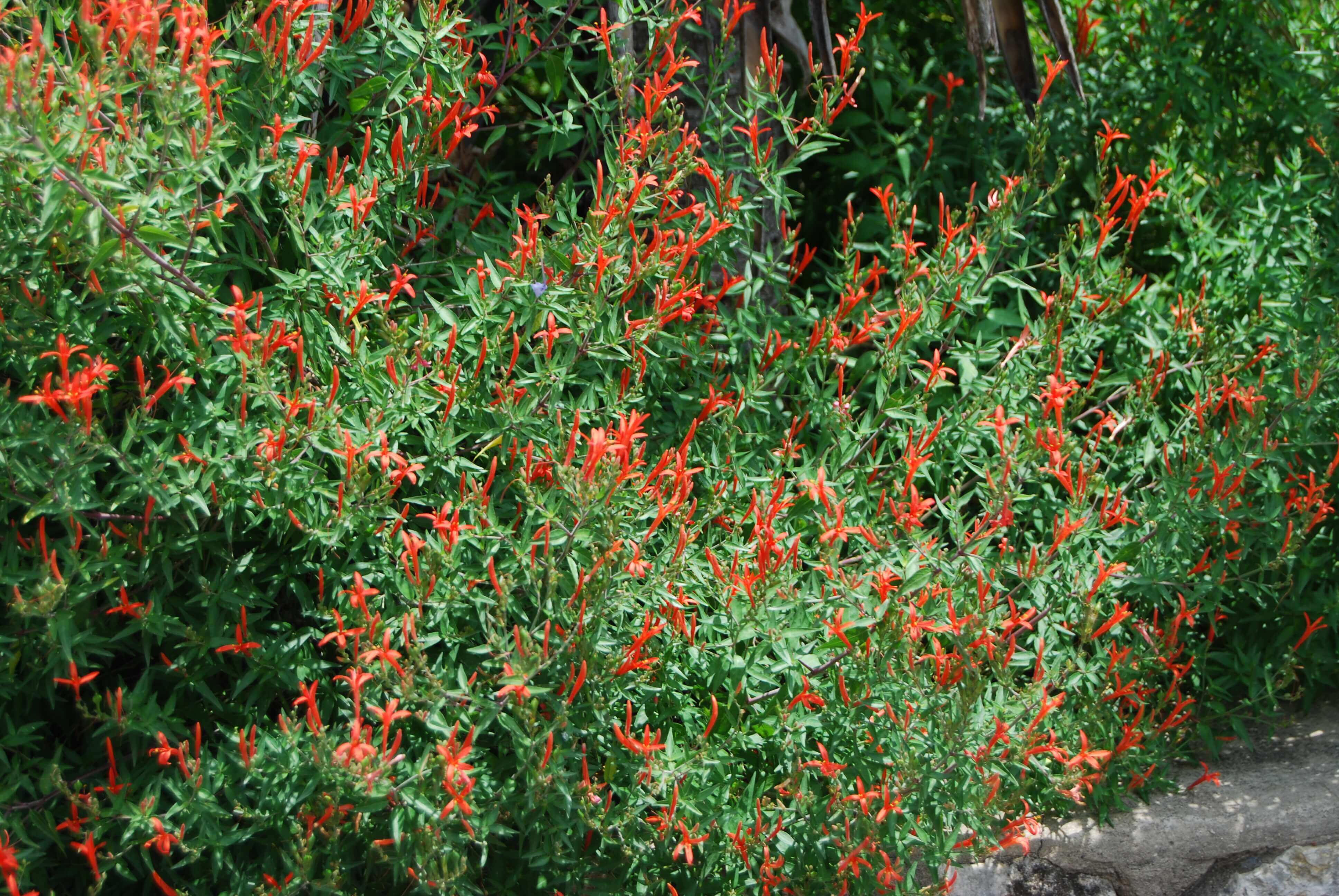
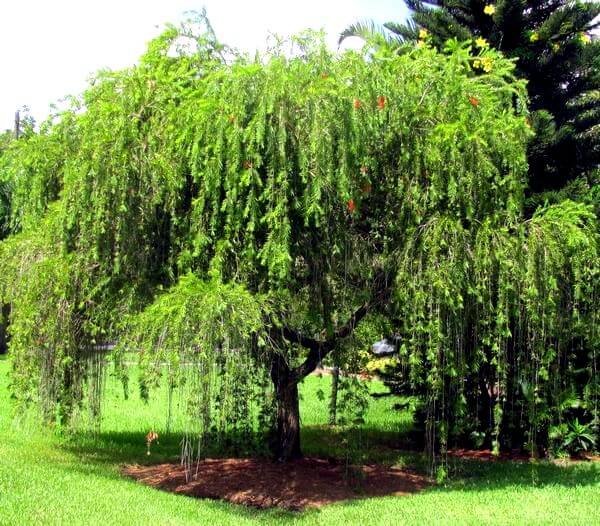
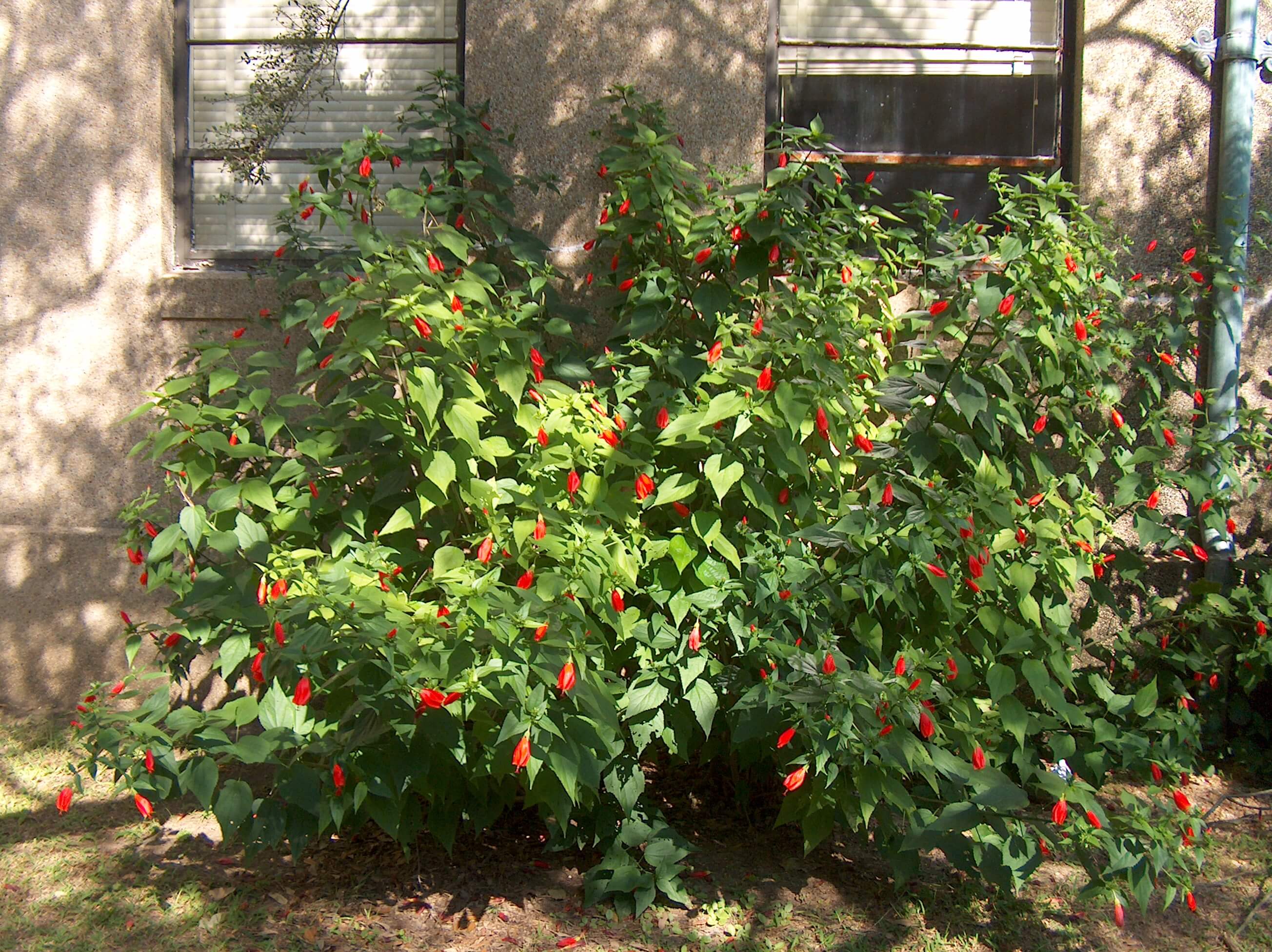
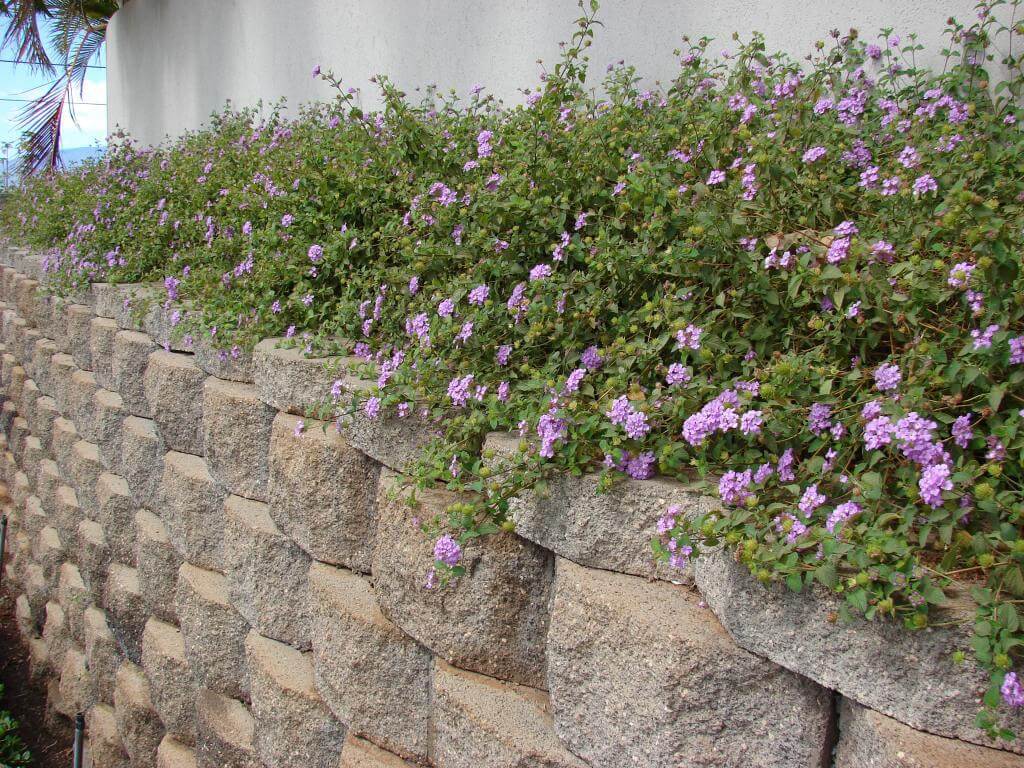
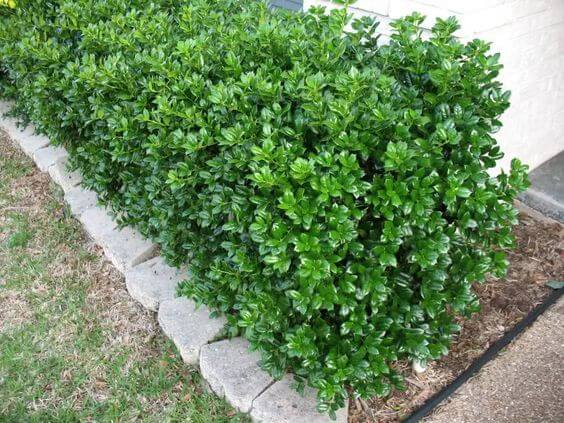
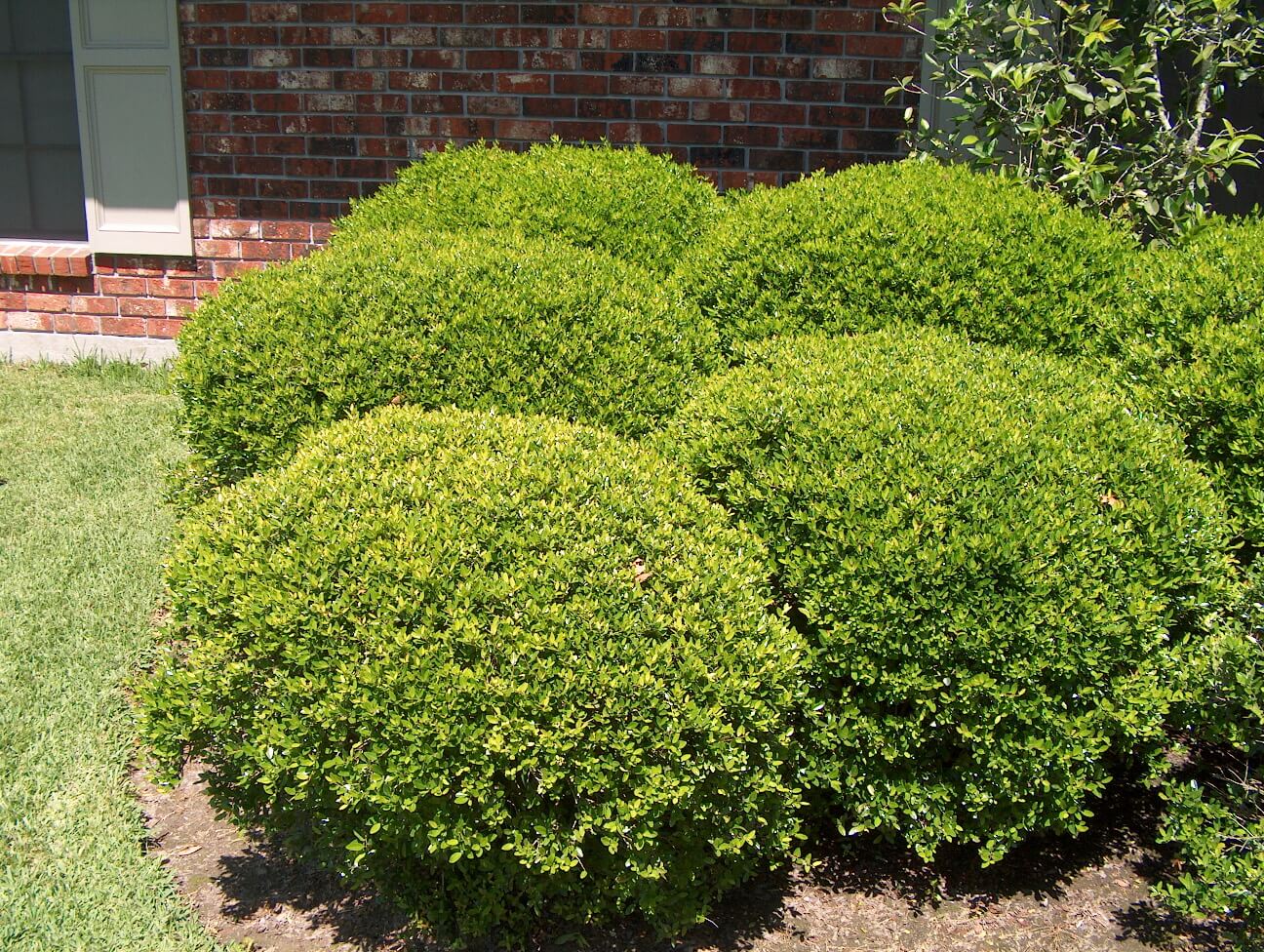
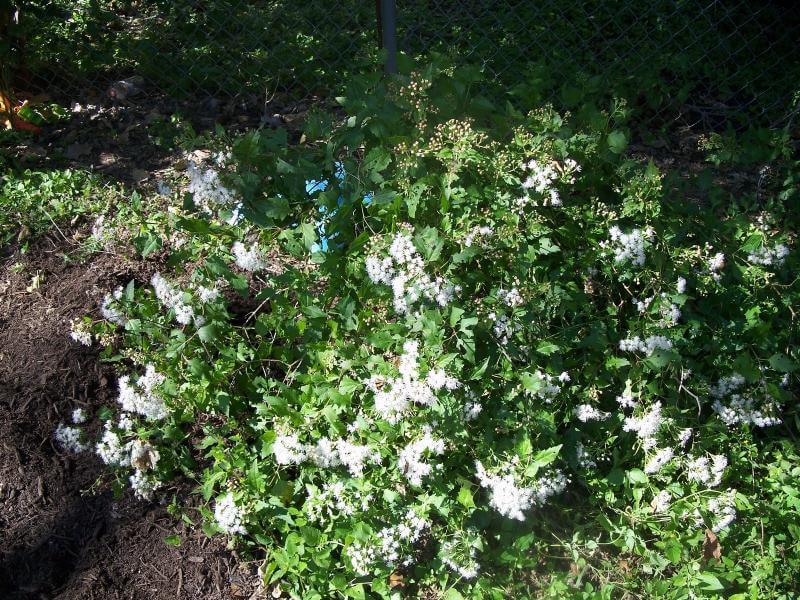
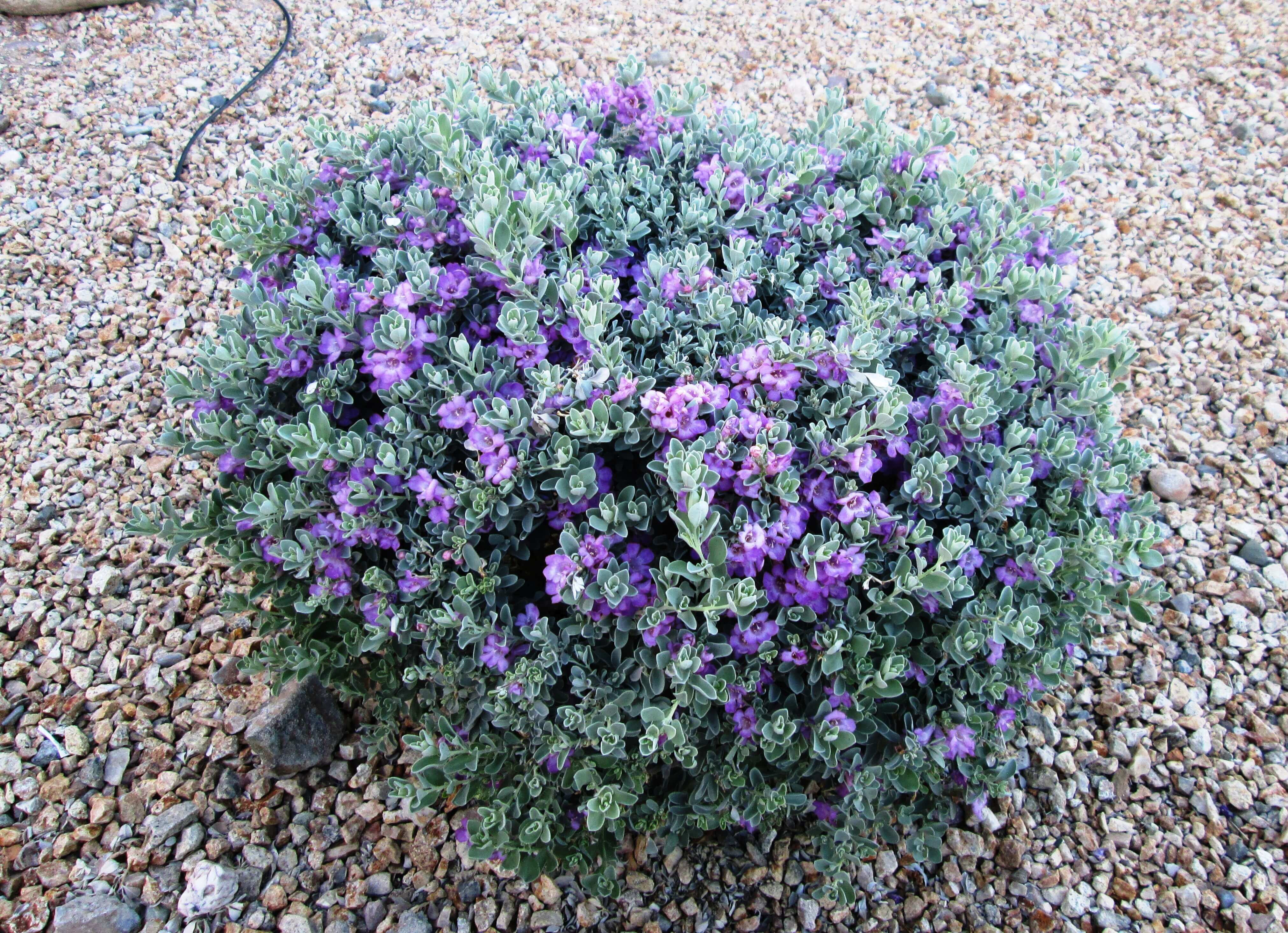
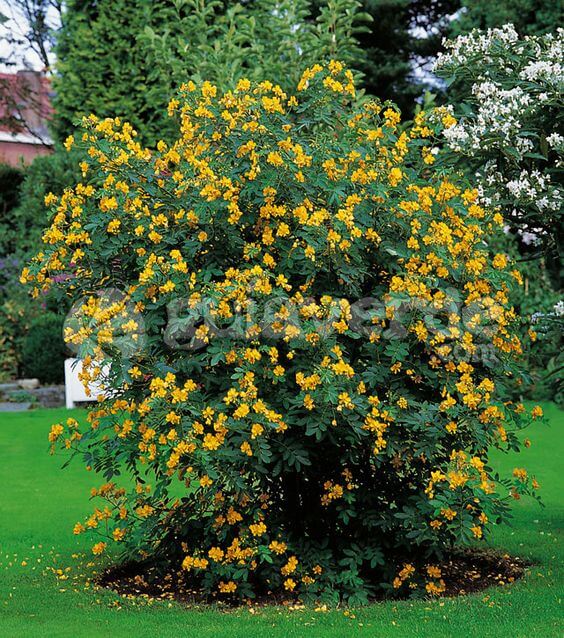
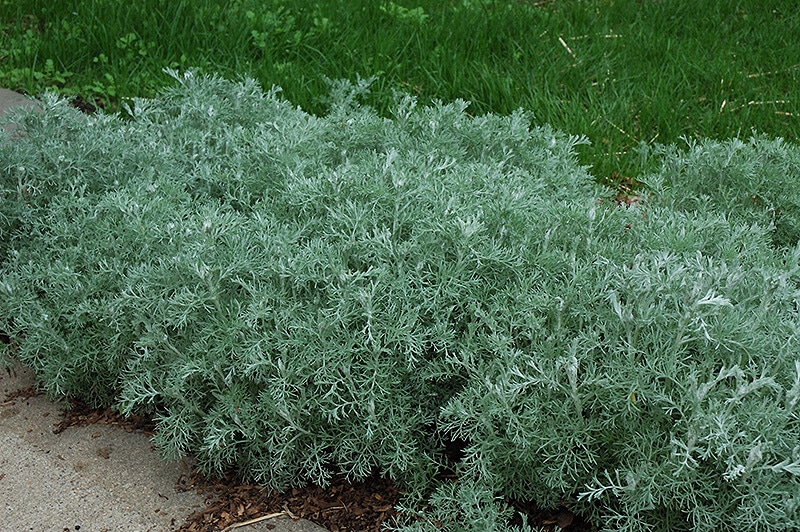
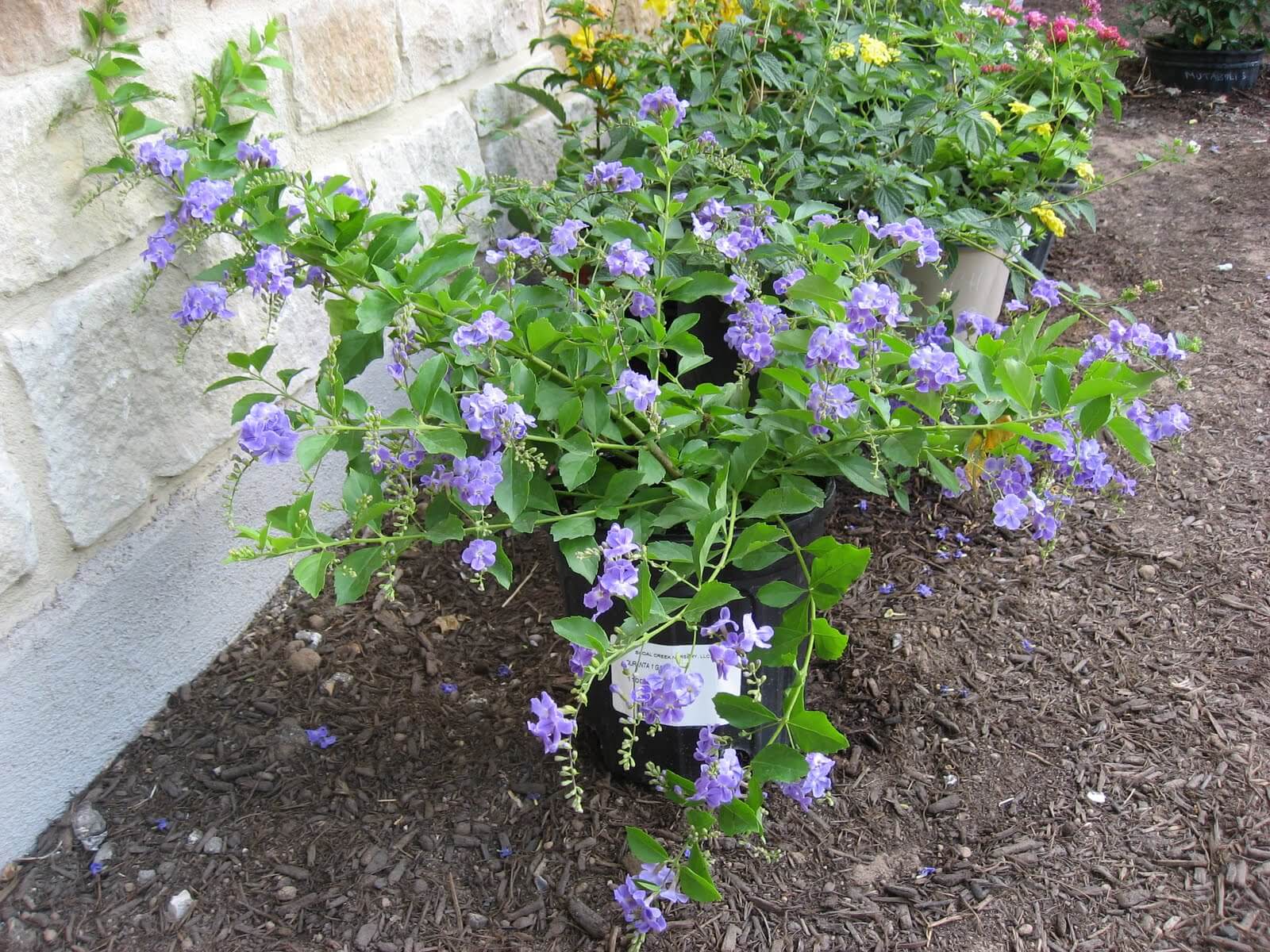
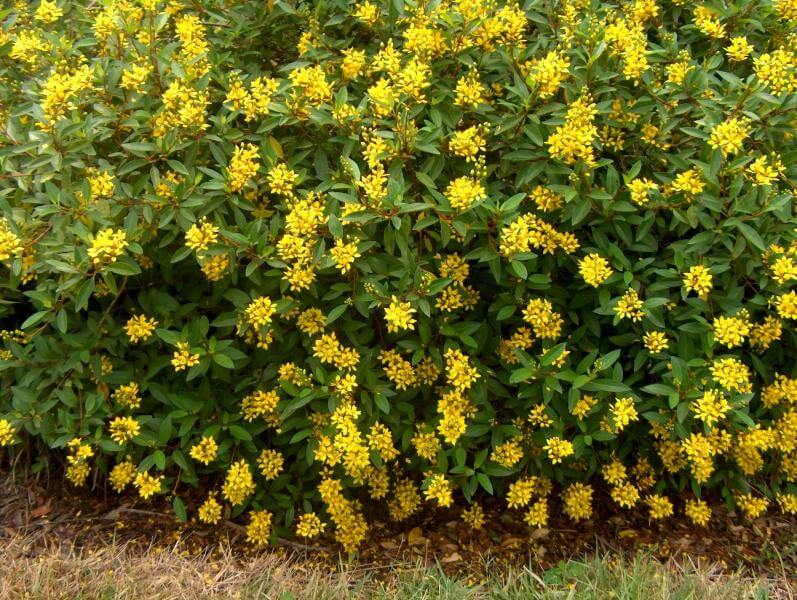
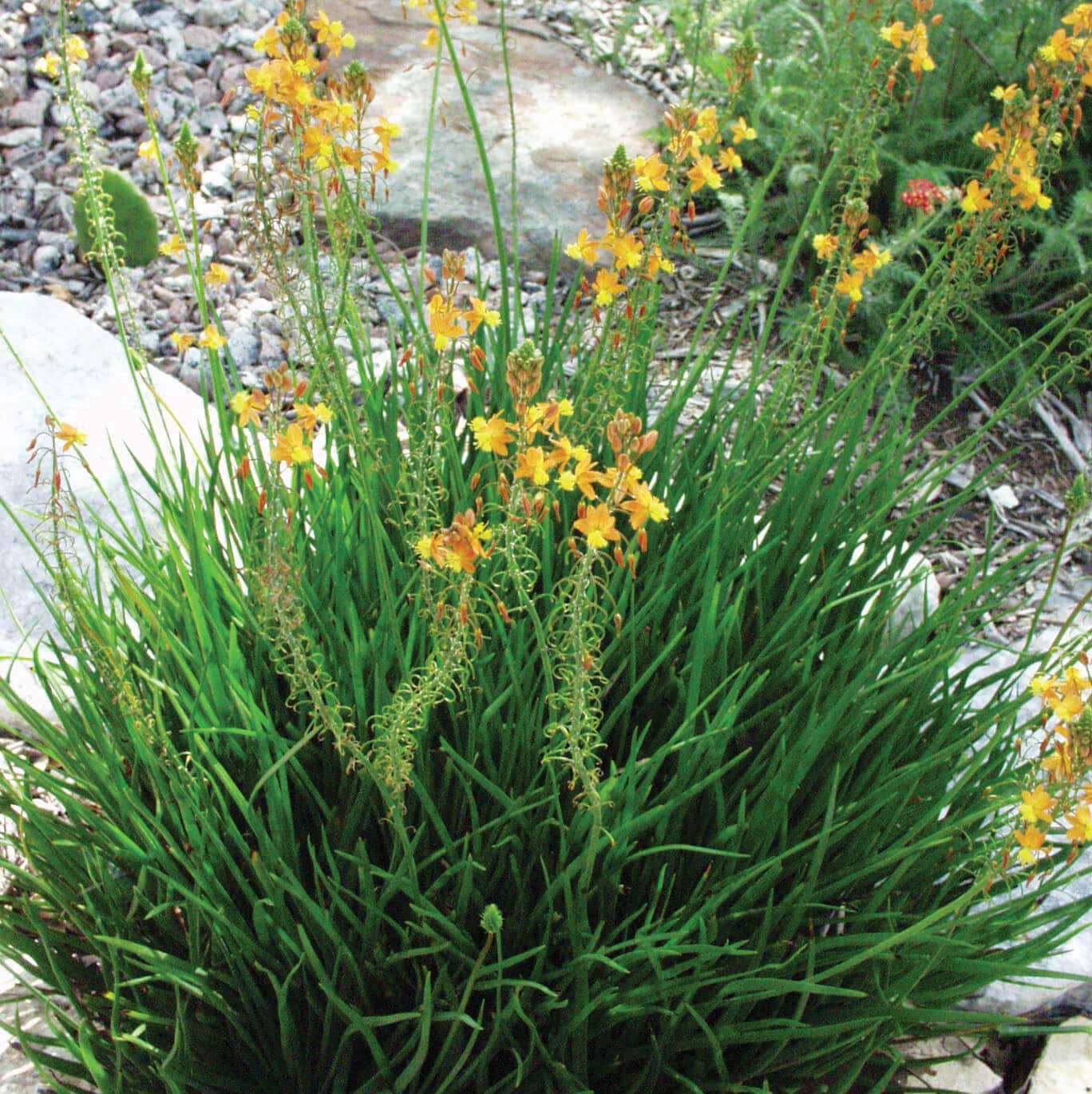
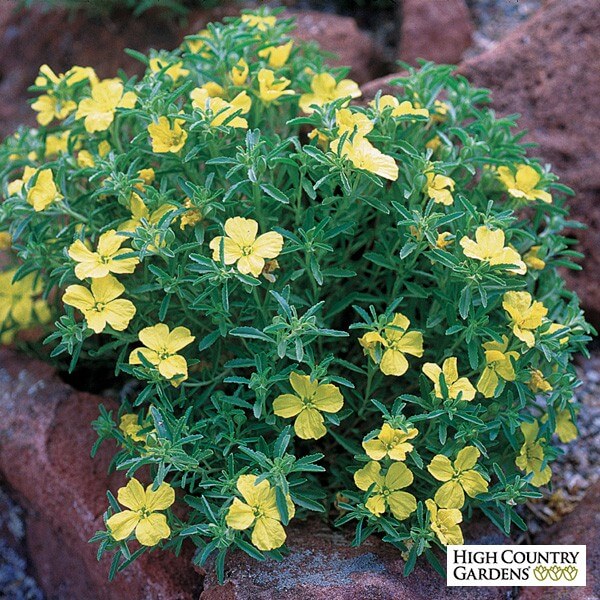
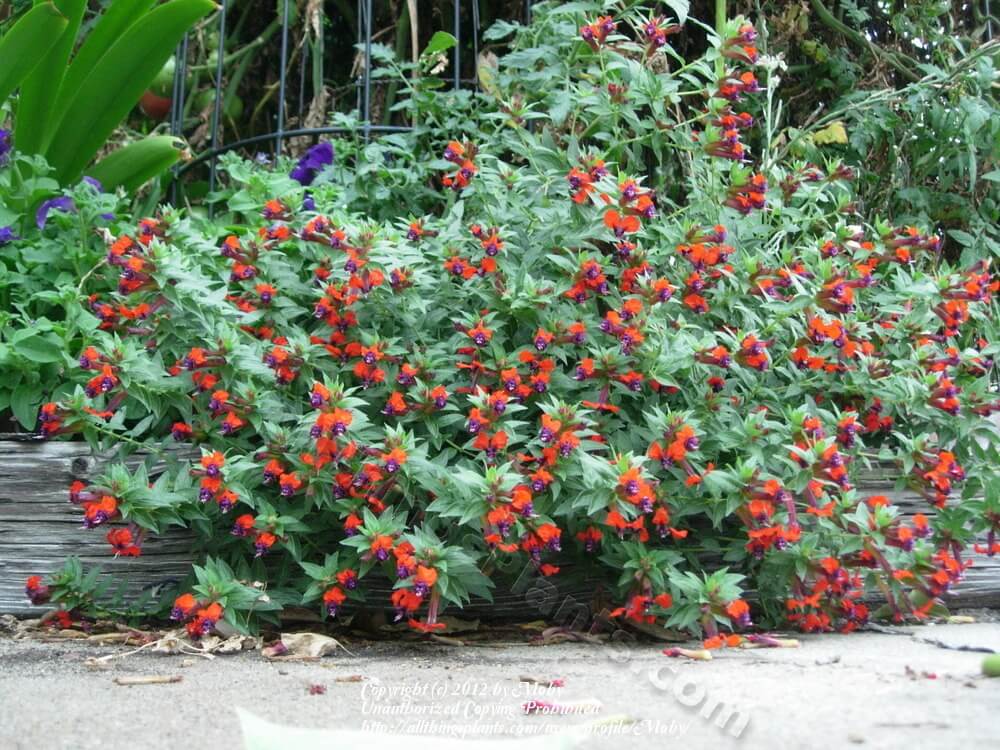
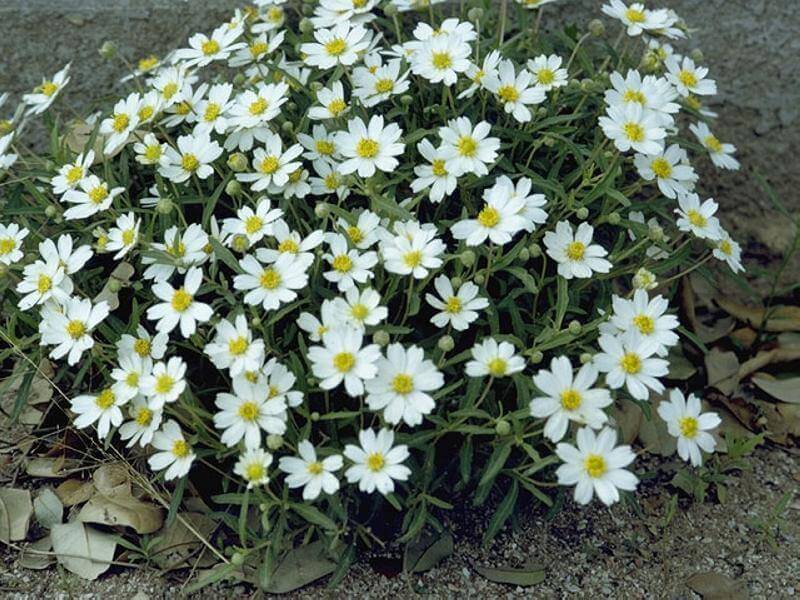
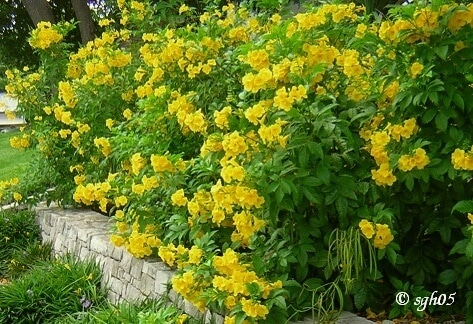
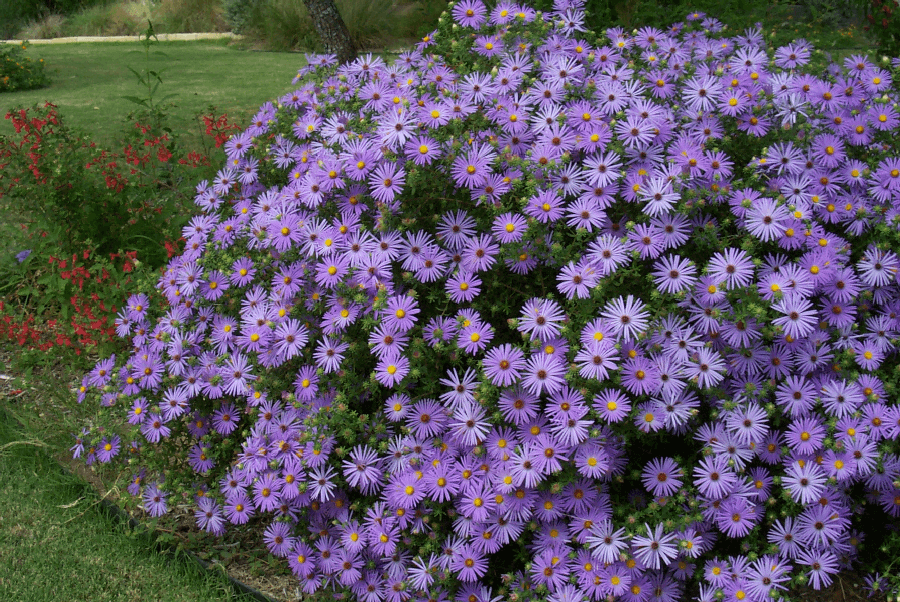
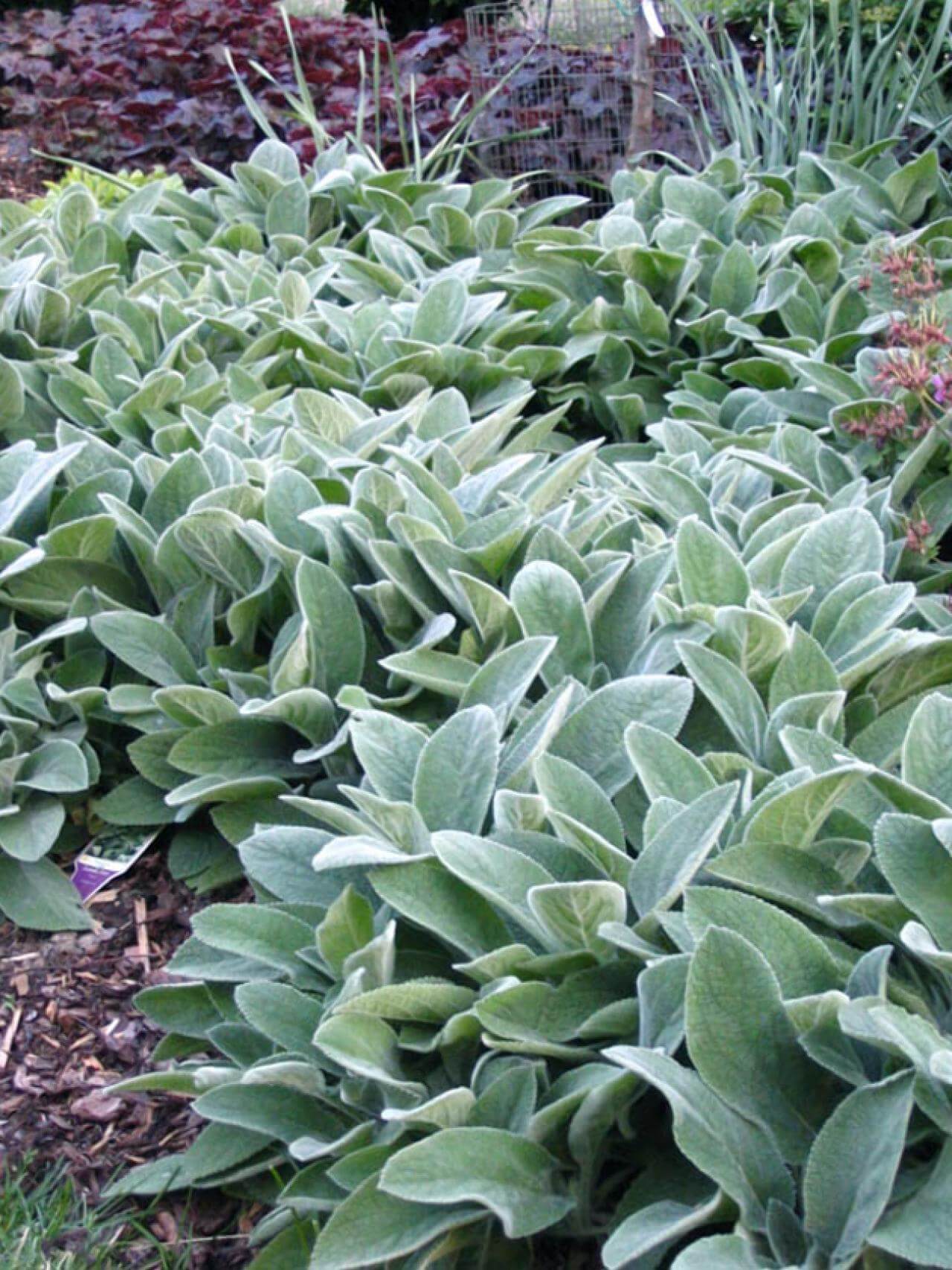
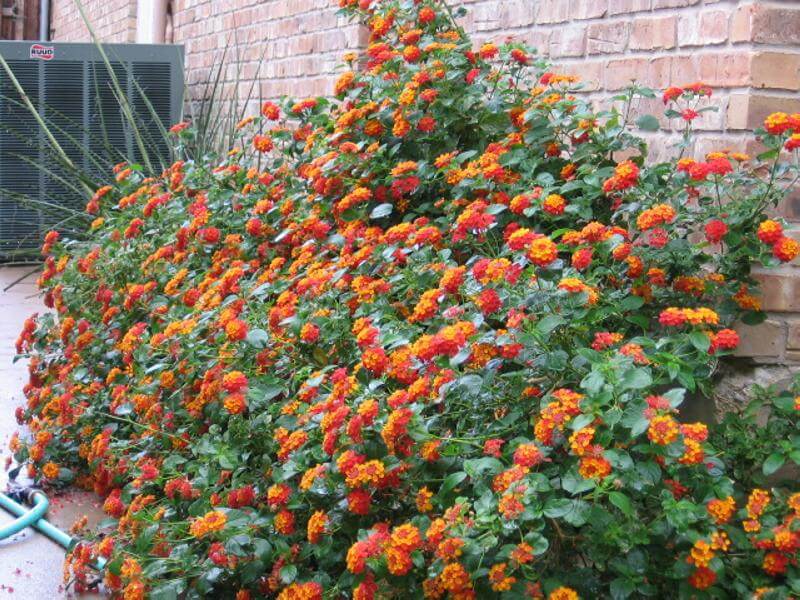
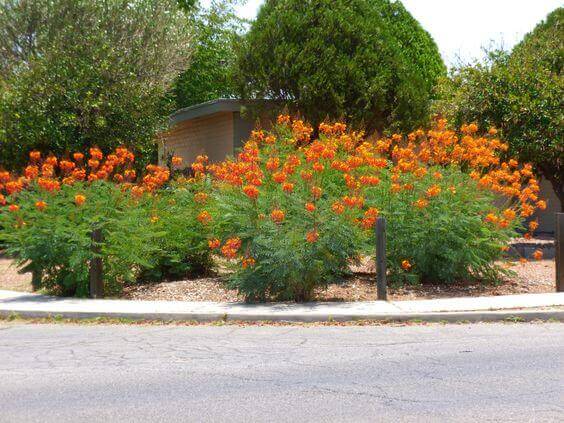
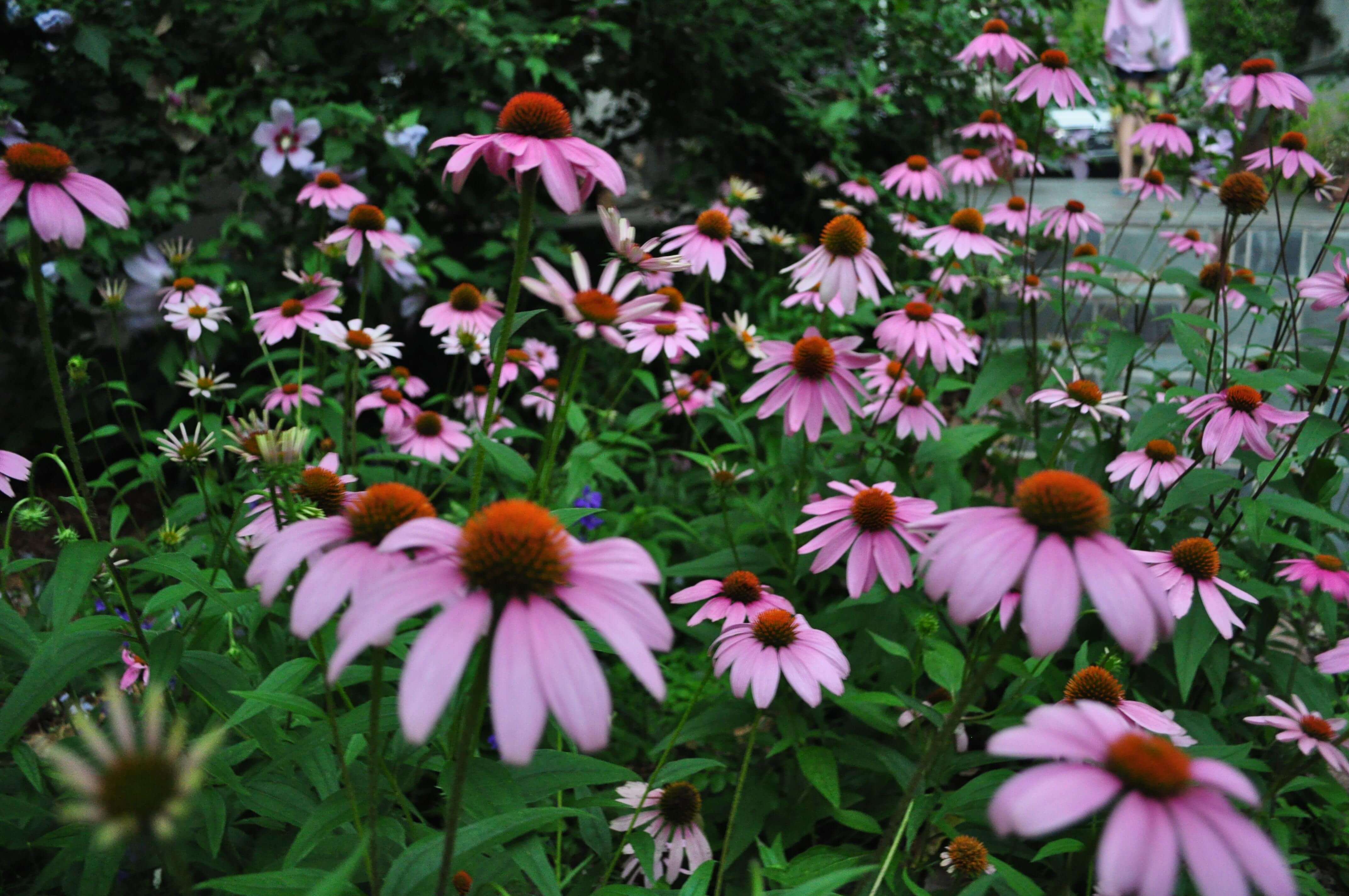
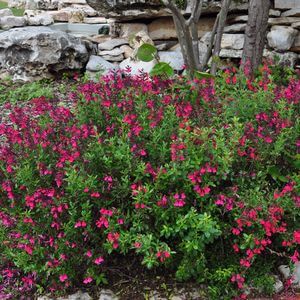
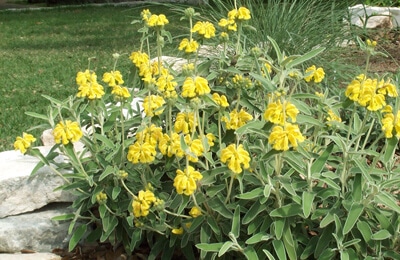
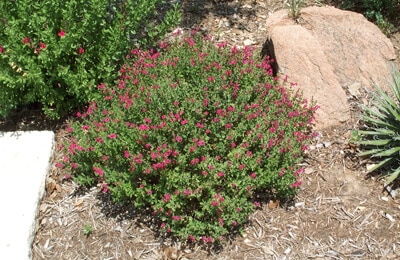
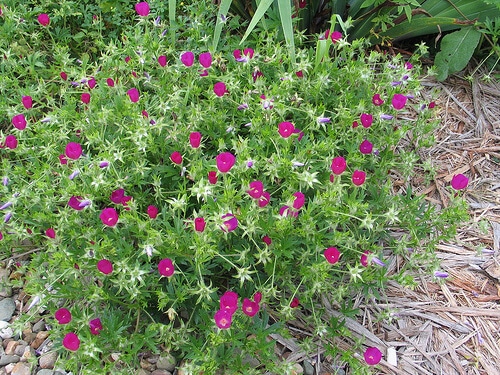
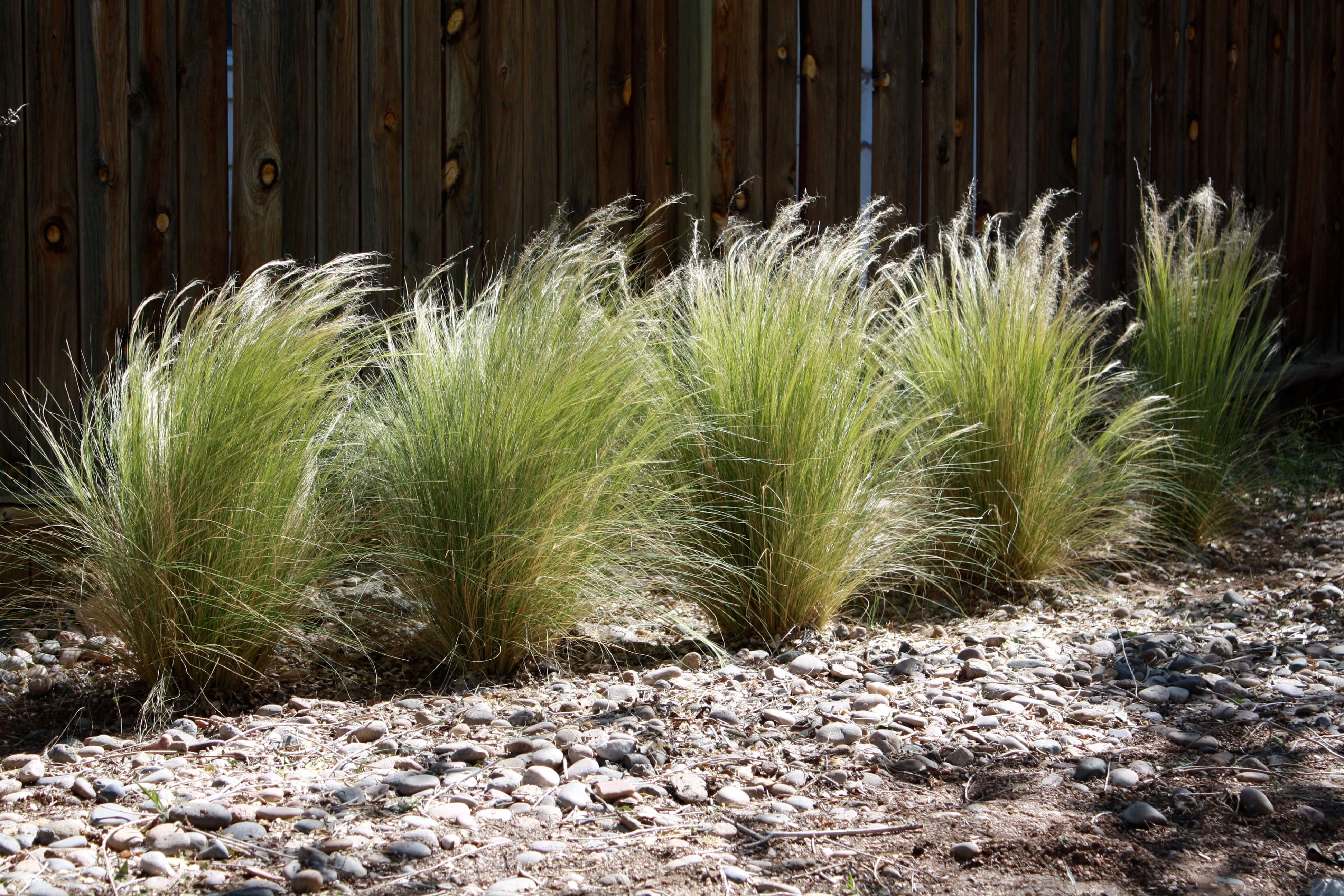
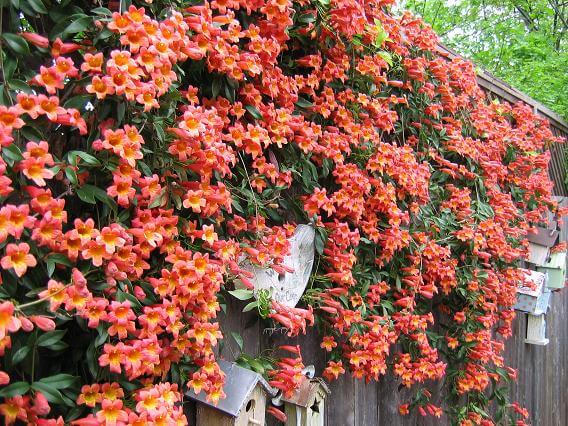
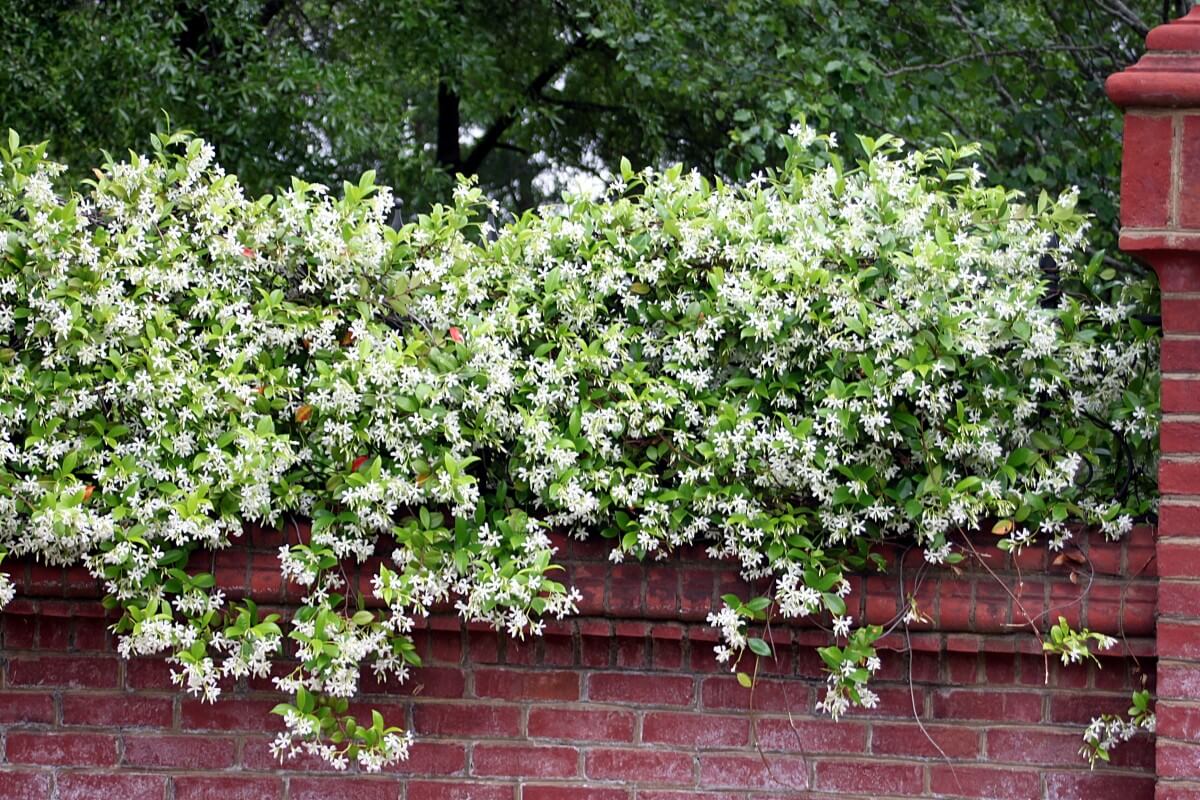
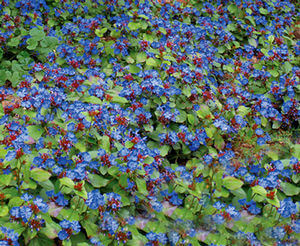
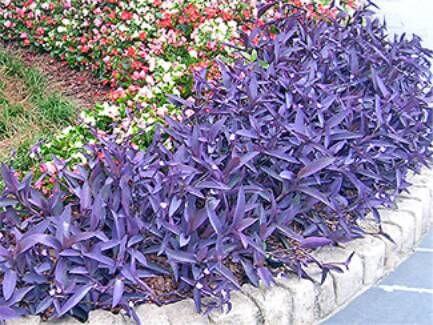
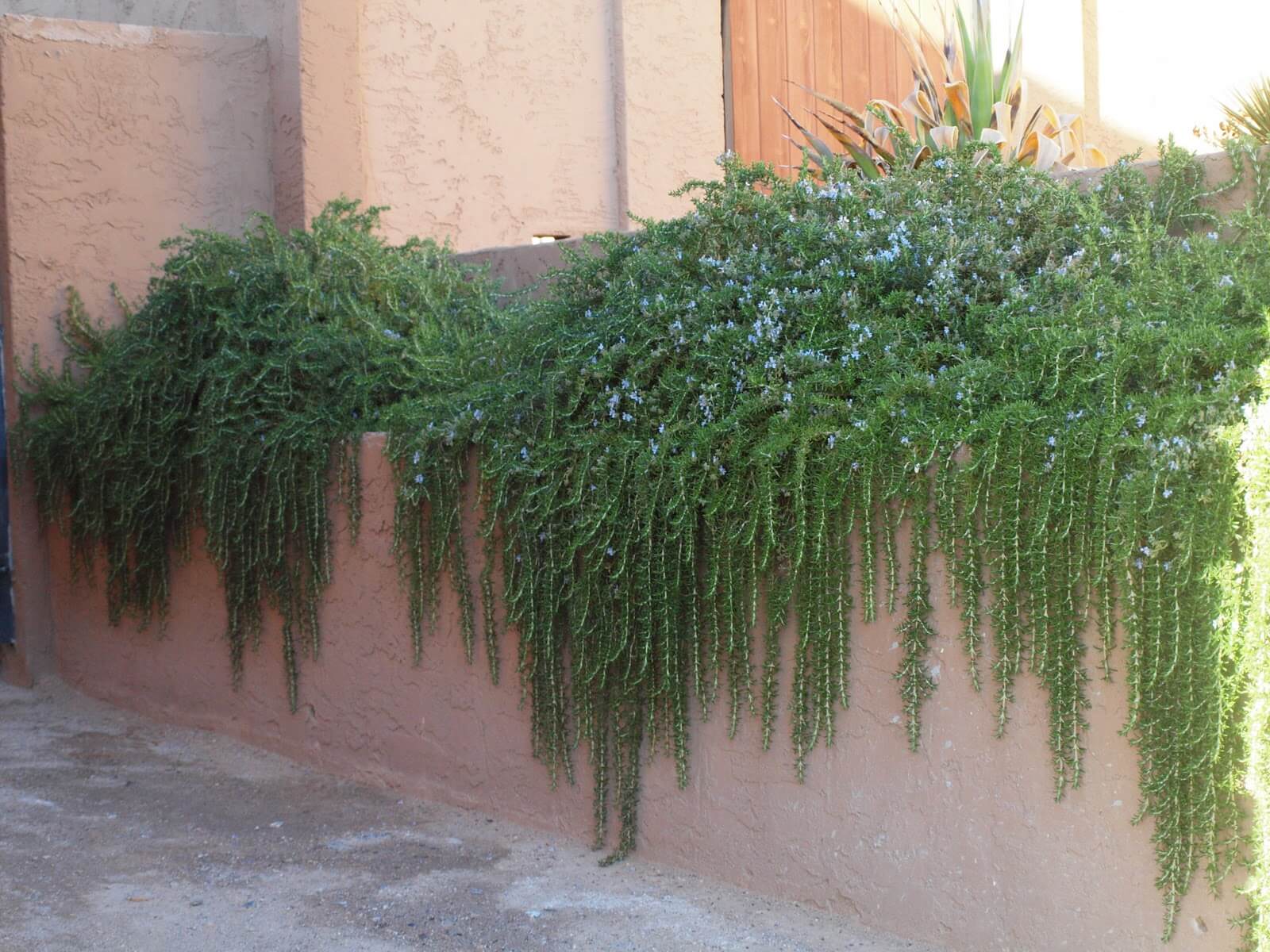
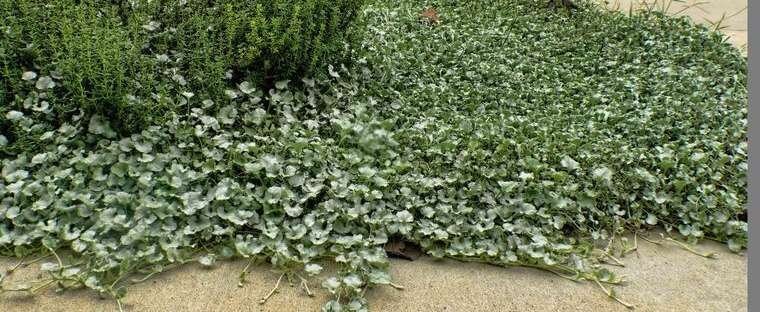
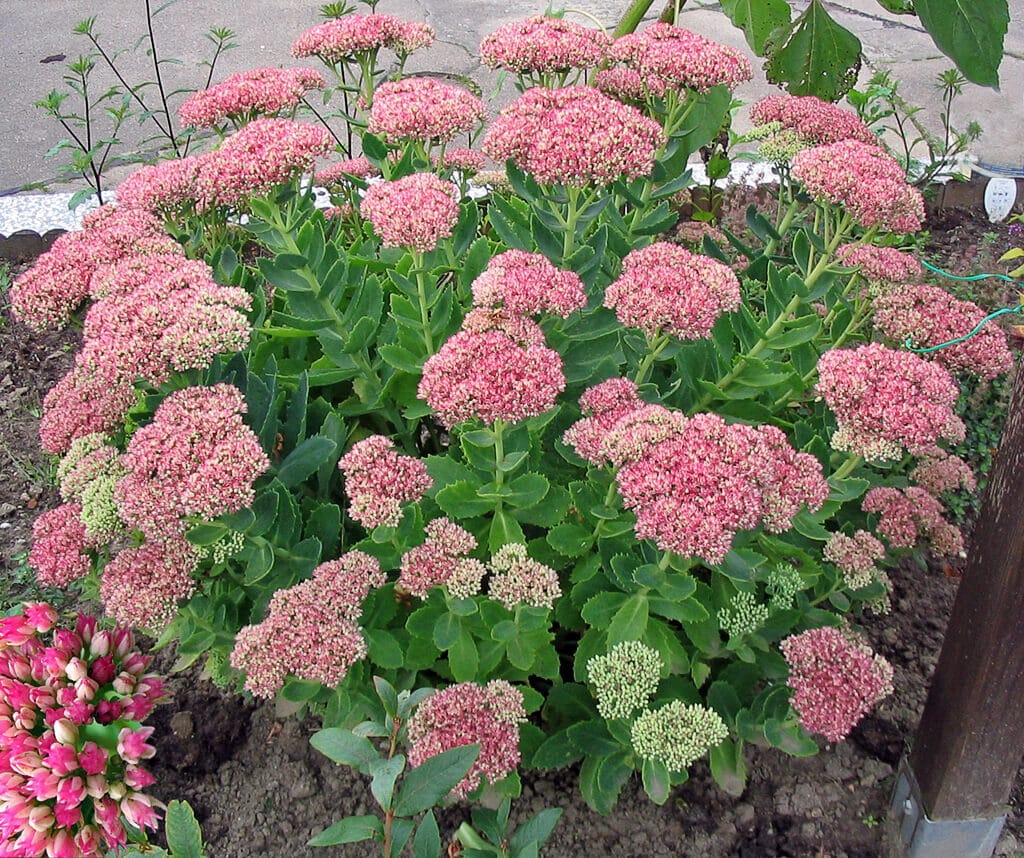
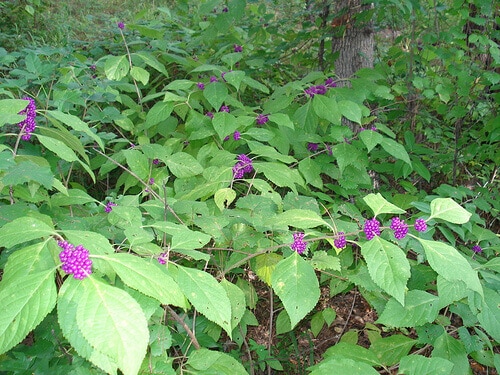
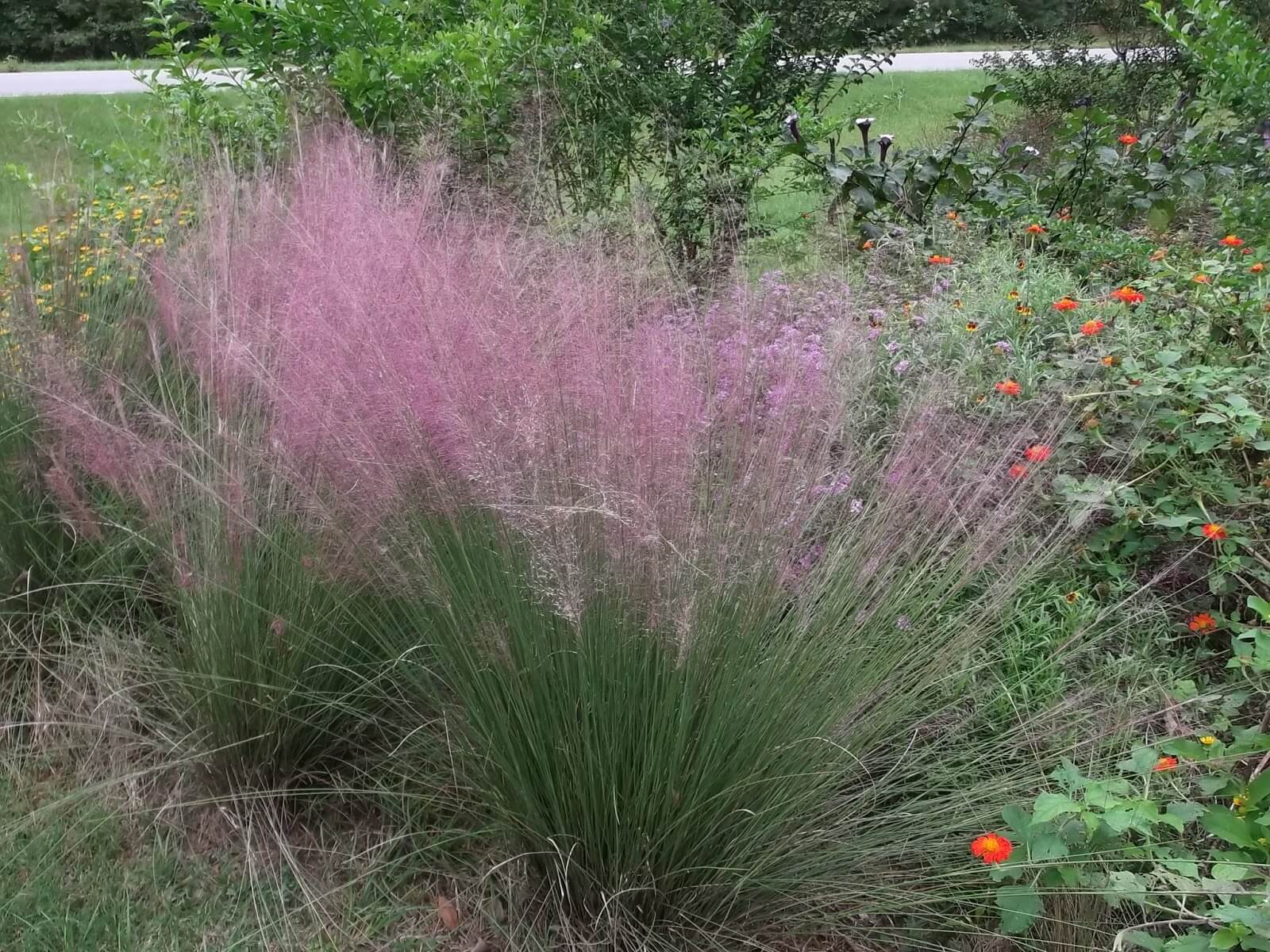
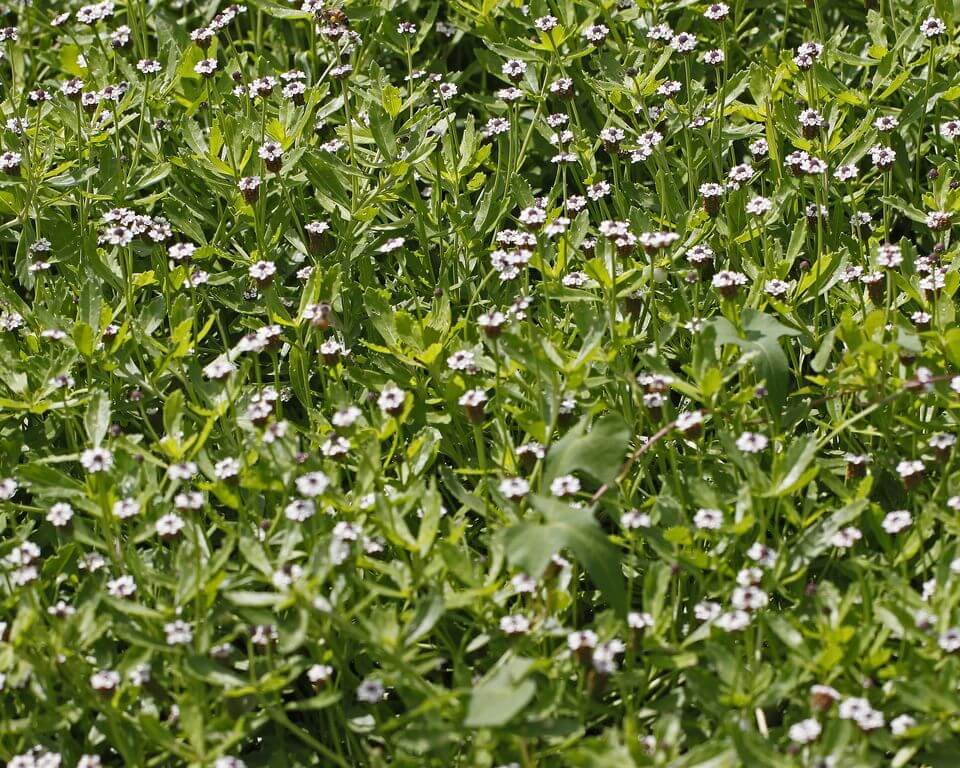
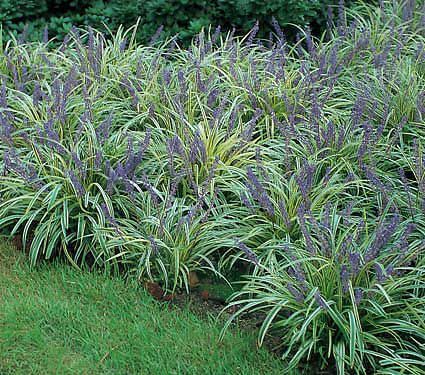
Read about some more low-maintenance shrubs that will brighten up your outdoor space.
How to Choose the Right Plants
Not all drought tolerant plants are the same. When planning your landscape, consider:
| Factor | What to Look For |
|---|---|
| Sun Exposure | Full sun vs partial shade |
| Soil Type | Clay, sandy, or well-draining soil |
| Space Available | Mature size of plant |
| Maintenance Level | Pruning and growth habits |
| Aesthetic Goals | Color, texture, seasonal interest |
Choosing the right combination of plants ensures a landscape that looks balanced and thrives year-round.
Real-World Insight
One of the most common mistakes homeowners make is assuming drought tolerant plants require no water at all. While these plants need less water, they still require consistent care during the establishment phase, typically the first growing season.
Once established, they become much more resilient and require significantly less maintenance than traditional landscaping.
Tips for Caring for Drought Tolerant Plants
- Water plants only when they need water.
- Water at base of plant to prevent sun scalding.
- Research your plants beforehand.
- Mulch plants well.
Create a Low-Maintenance Texas Landscape
Using drought tolerant plants is one of the best ways to build a landscape that can handle Texas heat while still looking vibrant and full.
Whether you’re starting from scratch or updating an existing yard, incorporating these plants can help you achieve a durable, water-efficient, and visually appealing outdoor space.
Related Articles

Blog Admin
Hello, hope you enjoy these blog posts and get some useful lawn care tips from reading the info. Let me know if you have any questions or comments below.
Comments (4)
I love this page! I’m already getting inspired to create a great space in my backyard with a few of these drought tolerant plants. I think I will go with a Texas Persimmon, a Texas Redbud, Skyflower and some Black Foot Daisy. Can’t wait to get started!
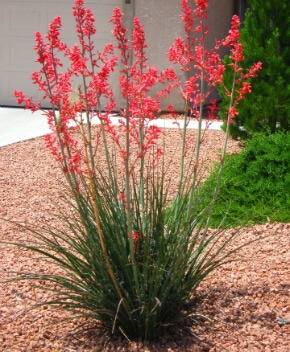
Great selection of drought tolerant plants. Are all these plants native to the USA? I’ve not heard of many of them and was wondering whether there are similar varieties in Australia. I really like the look of the Firecracker Fern, as well as a few others. Red yucca also seems like a good option.
Had no idea there were so many options of plants that are drought tolerant! It’s amazing how much variety there is. I want to add some life to my parents’ garden and I’m considering adding some Purple Heart, Red Yucca and a Windmill Palm. Or I might just call you for help ;).
Help! I’m redoing the front & side beds of my home in north Texas. I believe February is the best time to put down a “weed & feed” over my whole lawn. I think I should wait until April to plant new trees, bushes, shrubs, etc? I need all the help I can get…like prepping the beds, choosing landscaping, …& any other tips. I’m looking for the easiest to maintain & cost effective way to accomplish this. Thanks in advance for any help you can provide!