Plano Weed Control & Lawn Fertilization Plano, TX
We check your grass type and your soil first, then build the feeding and weed control around them — because a dense, well-fed Plano lawn is the best weed barrier there is.
Licensed & insured · Caring for North Texas lawns since 2009 · Free quotes
Your grass and your soil
Ryno Lawn Care looks at your specific grass type and soil before deciding how to fertilize and control weeds, so the treatments fit the lawn they're going on. Knowing what your soil and grass need to stay thick and healthy is half the battle in keeping weeds out, which makes proper, balanced fertilization the first line of defense against invasive plants.
Give it a year on our fertilization and soil program and you'll see the difference.
What Plano's prairie soil means for your lawn
Plano sits in the Blackland Prairie — it grew up as a market town for the farmers who worked that dark clay soil, and today's lawns are planted on the same ground. Texas A&M's Blackland Research Center describes it plainly: it shrinks, swells, cracks, and turns sticky, and it packs down easily when it's wet.
Those traits matter for weed control. Packed clay starves grass roots of air, so the turf thins and weeds take the open ground. Water runs off hard clay instead of soaking in, then the soil cracks as it dries. Core aeration opens the surface back up and helps fertilizer reach the roots, and slow, deep watering does more good on clay than frequent light sprinkling.
Get rid of weeds without the hassle
Weed control comes down to putting the right product down at the right time of year.
Pre-emergent herbicides stop weeds before they break through the soil, so they belong as early in the season as possible, before any weed growth starts. Post-emergent herbicides kill weeds that are already up, so they go down once the weeds are visible.
Fertilizing in North Texas runs through the year, with spring and fall doing the heavy lifting. March or April, as the grass greens up and starts its growing season, is a good time for the first feeding; early fall — September or October — is a good time for the last. Extreme heat and cold are avoided: no feeding into a winter frost or on a scorching summer afternoon. Grass species, location, and the season's weather all shift those windows a little.
Which weeds show up in a Plano yard, and when
Knowing what's coming next is most of prevention. Here's what a typical year brings, and what we do about it:
- Late winter: chickweed and other cool-season weeds green up while the lawn is still dormant — easy to spot, and best hit before they seed.
- Spring: dandelions and the other broadleaf weeds flower as the turf wakes up; the fall and late-winter pre-emergent rounds are what keep this flush small.
- Summer: crabgrass and nutsedge take over thin, heat-stressed spots, and dollarweed points to areas that stay too wet.
- Fall: a second pre-emergent window, ahead of next year's winter weeds.
Plano weed control starts before the weeds do
Weed control means staying ahead of the problem. Three habits do most of the work:
- Mow regularly with the blades set high — taller grass grows deeper roots and shades out weed seedlings.
- Water less often, but enough that the soil doesn't dry out too far.
- Keep the lawn on a regular fertilization program — ours run six, eight, or ten treatments a year.
About Plano
Plano's early growth came with the Texas railroads, which made it a center of trade for the surrounding farmland. That legacy carries on today in business districts such as Legacy West and The Shops at Legacy, alongside green space like the Arbor Hills Nature Preserve and the schools of Plano ISD.
The city sits mostly in southwestern Collin County, with a share in Denton County, and it is one of the member cities of the North Texas Municipal Water District — the regional supplier whose drought stages shape how much outdoor watering Plano allows.
Inside a Plano weed control and fertilization program
Grass and soil check
Your turf type and soil are assessed before the first treatment.
Pre-emergent rounds
Applied before crabgrass and broadleaf weeds can sprout.
Post-emergent control
For weeds already up and visible in the lawn.
Spring and summer feeding
Fertilizer through the growing season, away from the worst heat.
Spot spraying and watering tips
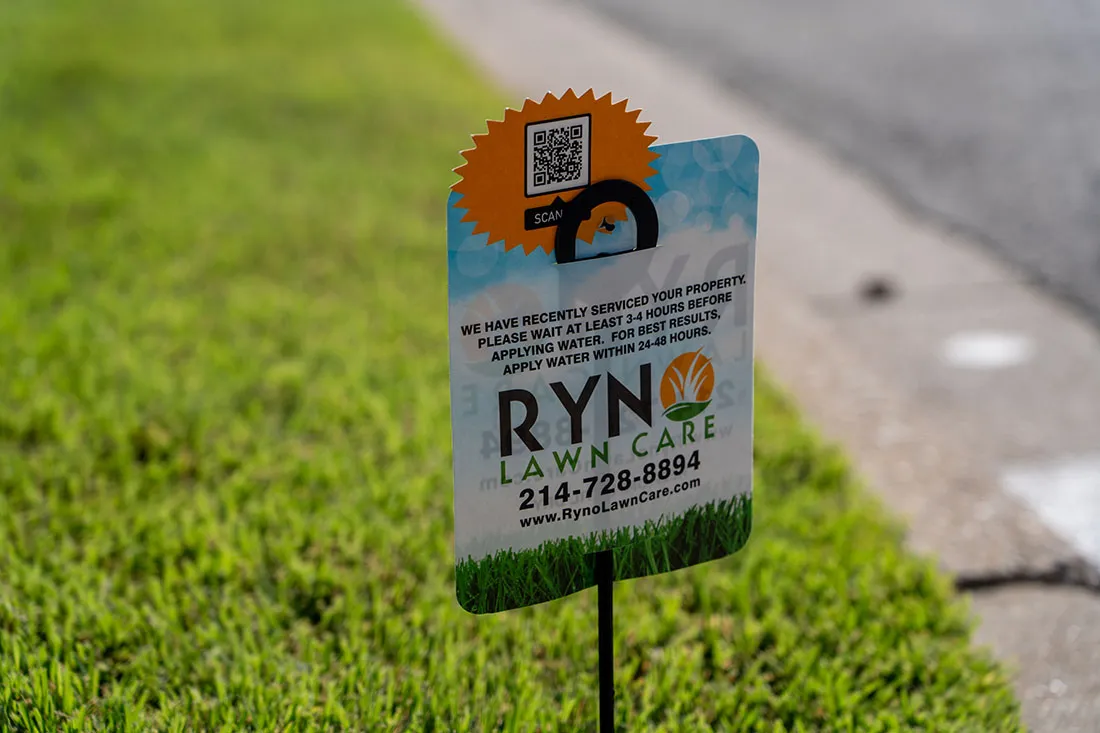
Weeds treated as they appear, with watering advice after every visit.
Up to 75% Off Your First Treatment
New weed control and fertilization clients get 75% off the first treatment on our 10 Treatment Program, or 50% off the first treatment on our 8 Treatment Program.
More for your Plano yard
Lawn Aeration
Core aeration to loosen packed Plano clay — available with an active treatment program.
Learn moreWeed Control
How our pre- and post-emergent rounds work across the year.
Learn moreLawn Irrigation
Sprinkler repairs and adjustments for watering clay soil within NTMWD stages.
Learn moreProgram Pricing
What the 6, 8, and 10 treatment programs include for a Plano lawn.
Learn moreWatering restrictions in Plano
Plano buys its water from the North Texas Municipal Water District, so the district's drought stage is the backdrop for the city's own watering guidelines. On Plano clay, fewer and deeper waterings inside those rules work better than short daily cycles.
Outdoor watering rules in Collin County change with the drought stage your supplier is in, so we don't republish the schedule here — it would go stale. Check the city for the rules in force right now, and we'll build your service around them.
Common questions
Why does my Plano lawn crack in summer and puddle after storms?
That's Blackland Prairie clay. It shrinks and cracks as it dries and packs down when wet. Aeration and deep, infrequent watering help the grass root through it.
Do you need to see my lawn before treating it?
Yes. We check your grass type and soil first, and we evaluate the property on the first visit to make sure the lawn is treatable.
When should pre-emergent go down in Plano?
As early in the season as possible, before weeds start growing. Once a weed is up, a post-emergent treatment is needed instead.
How many treatments will my Plano lawn get?
You choose a six, eight, or ten treatment program. Each includes spot weed spraying and watering tips; the pricing page lists the rest.
Does aeration help with weeds on clay?
Indirectly. Opening compacted clay lets water and fertilizer reach the roots, so the grass thickens and leaves weeds less room. Aeration is available to customers on an active treatment program.
Ready to get started in Plano? Get your free quote today
No runaround — just a reliable local crew and results you can see.