
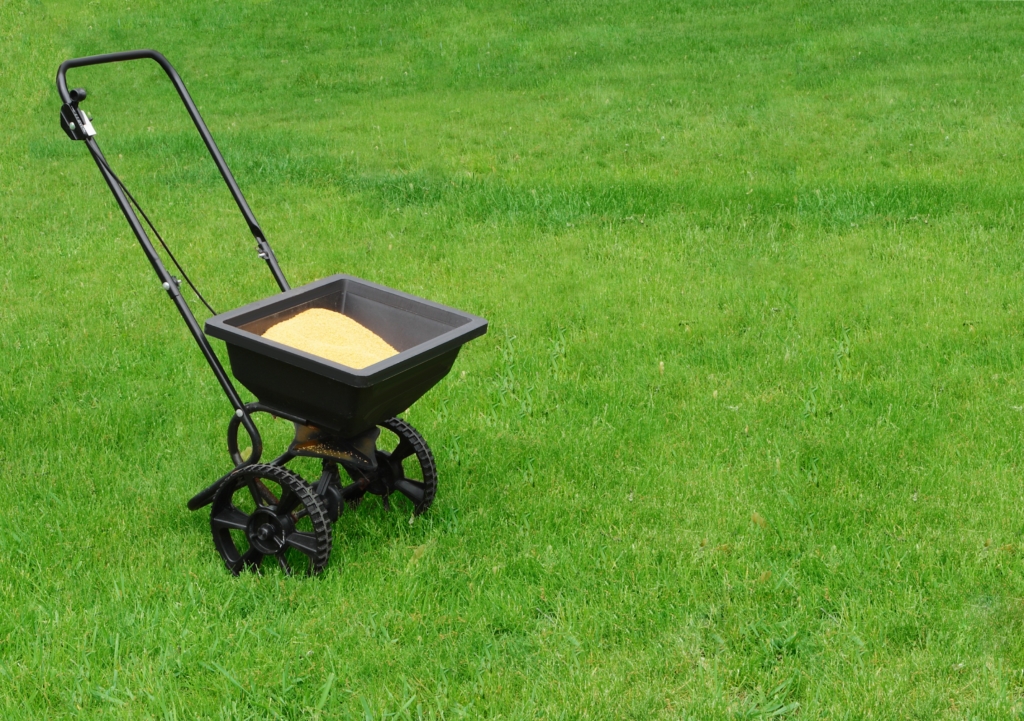
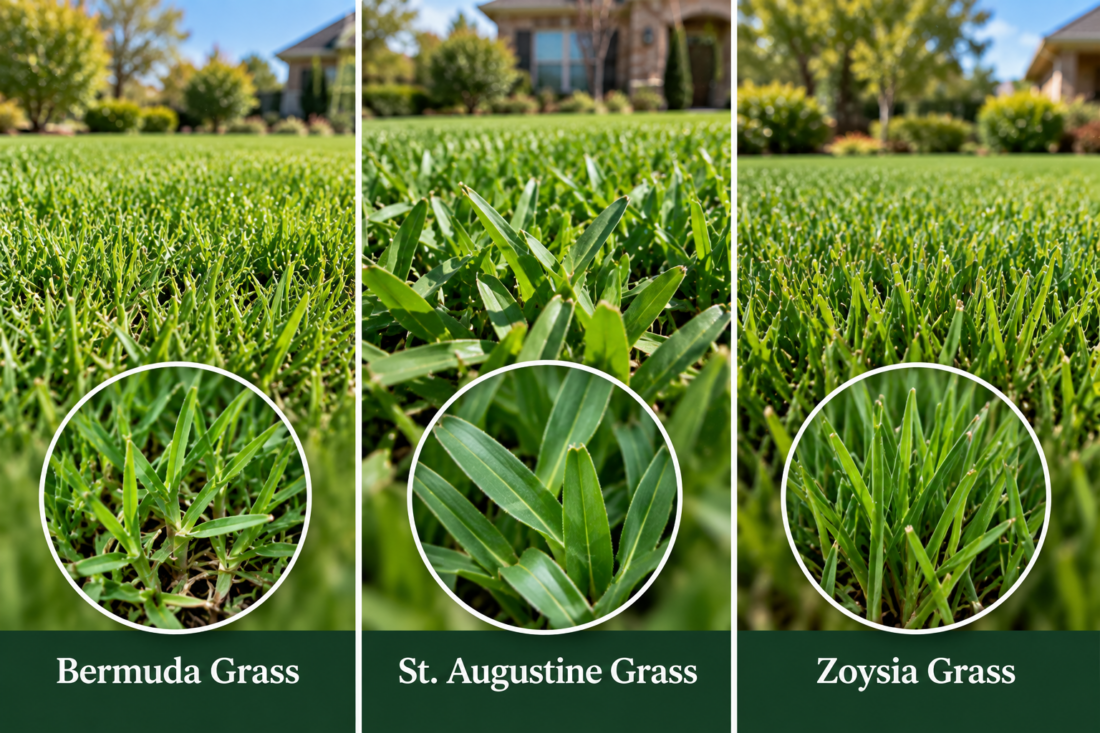
Fall is an important time to think about weed prevention, especially in North Texas. As warm-season grasses such as Bermuda, St. Augustine, and Zoysia slow down for the cooler months, winter weeds can begin establishing in the lawn.
So, what pre-emergent should you use in the fall?
The answer depends on which weeds you are trying to prevent, what type of grass you have, when those weeds typically germinate, and which products are labeled for use on your lawn.
Common fall pre-emergent active ingredients include prodiamine, dithiopyr, pendimethalin, and isoxaben. However, each active ingredient targets different types of weeds, so the right choice depends on the weeds you want to prevent and the type of grass in your lawn.
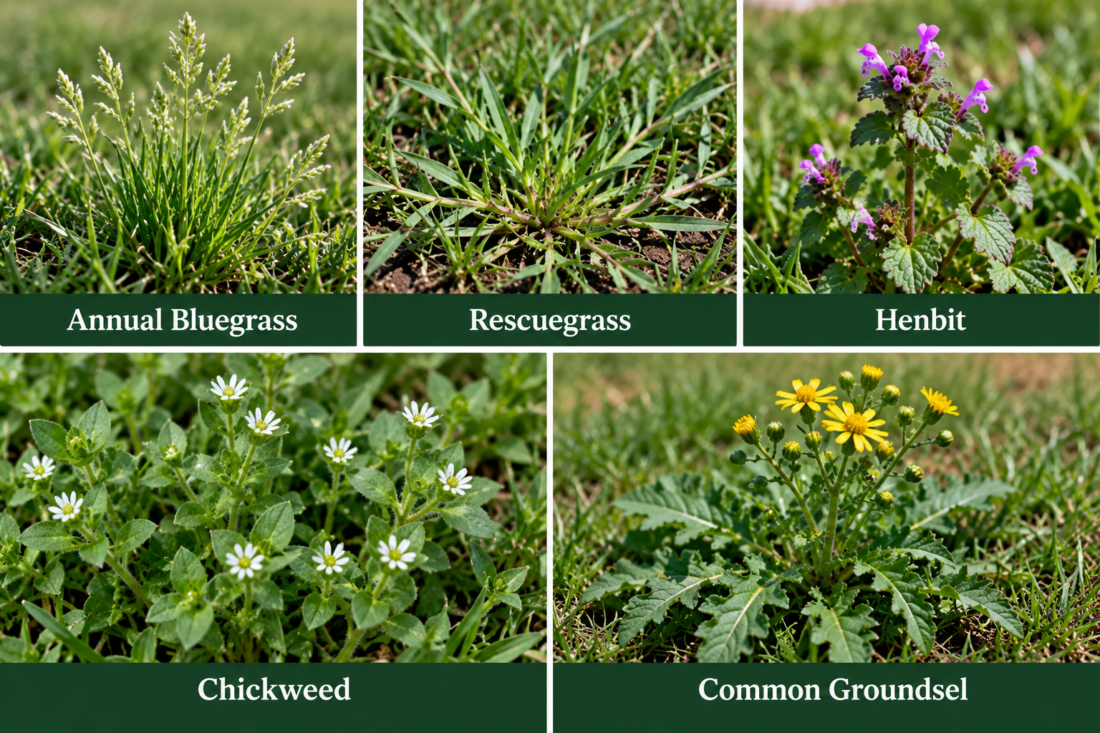
In North Texas, fall pre-emergent applications can be particularly useful for lawns with a history of winter weeds such as annual bluegrass, rescuegrass, henbit, chickweed, and other winter annuals. Timing is critical because pre-emergent must be applied before the target weeds germinate and become established.
What are Pre-Emergent Herbicides?
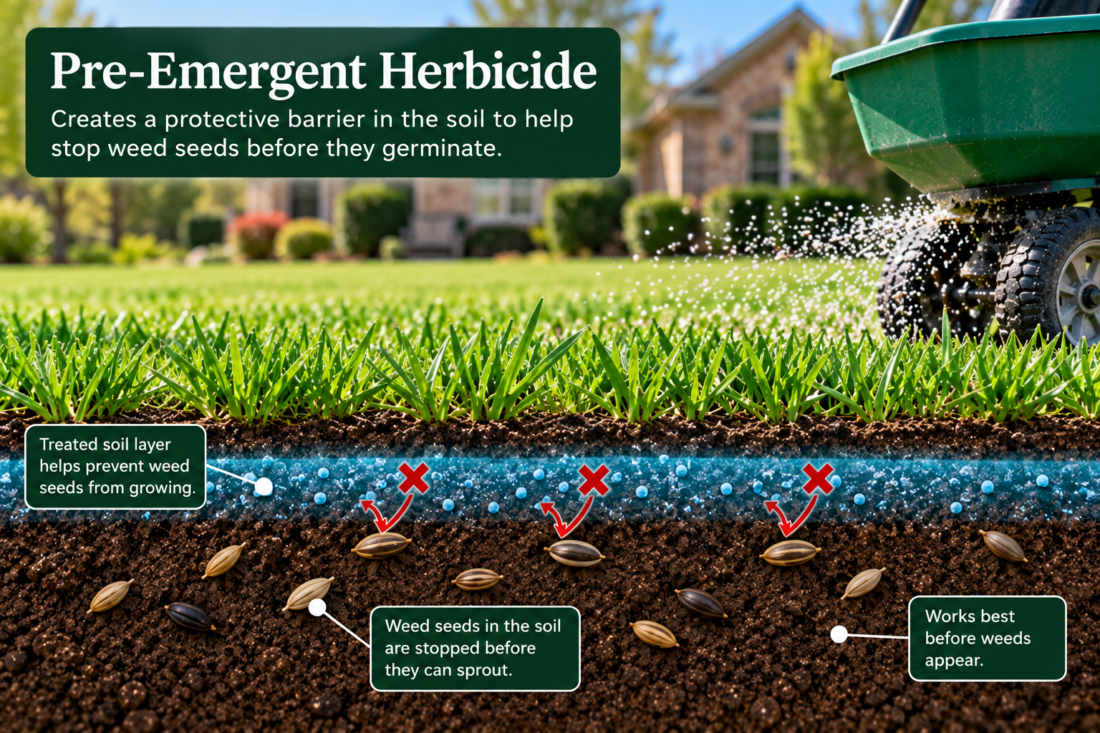
Pre-emergent herbicides are weed-prevention products designed to interfere with weed seedlings as they germinate. Rather than killing a mature weed that is already growing in your lawn, pre-emergent creates a treated zone in the soil that helps prevent susceptible weed seeds from becoming established.
This makes pre-emergent most effective before weeds appear.
Pre-emergent does not mean that your lawn will never have another weed. It is one part of an overall weed-control strategy that can also include proper mowing, watering, lawn fertilization, healthy turf density, hand-pulling, and post-emergent treatments when weeds are already present.
Best Fall Pre-Emergents at a Glance
There is not one universally "best" pre-emergent for every North Texas lawn. Different active ingredients have different strengths, and the product label determines which weeds and turfgrass types are covered.
| Active Ingredient | General Use | Fall Use | Important Consideration |
|---|---|---|---|
| Prodiamine | Grassy weeds and some broadleaf weeds | Yes | Provides long-lasting residual control when properly applied |
| Dithiopyr | Primarily grassy weeds, with some additional activity | Yes | Useful for certain annual grassy weeds; always check the label |
| Pendimethalin | Grassy and some broadleaf weeds | Yes | Application timing and uniform coverage are important |
| Isoxaben | Primarily broadleaf weeds | Yes | More useful for broadleaf weed prevention than grassy weeds |
The "best" choice depends on your target weeds, turfgrass, application timing, and the specific product formulation. Always read the label before applying a pre-emergent to your lawn.
What Winter Weeds Should You Prevent in North Texas?
Fall pre-emergent applications are often used to prevent winter weeds before they become established.
Some common winter weeds found in North Texas include:
Annual Bluegrass
Annual bluegrass, or Poa annua, is one of the most troublesome winter annual grasses in Texas lawns. It typically germinates in late summer or early fall and becomes more noticeable during the cooler months.
Annual bluegrass germination can occur in early to mid-September in North Texas, which makes timely fall prevention particularly important for lawns with a history of this weed.
Rescuegrass
Rescuegrass is another winter annual grass that can appear in warm-season lawns. It germinates during late summer or early fall and can become increasingly noticeable as desirable warm-season turf slows down.
We recommend fall pre-emergent applications for lawns with a history of winter annual grasses.
Henbit
Henbit is a common winter annual broadleaf weed recognizable by its rounded, scalloped leaves and purple flowers.
Depending on the product, certain pre-emergent herbicides may help prevent henbit and other winter annual broadleaf weeds. Product labels should always be checked for the specific weed and turfgrass combination.
Chickweed
Common chickweed is another cool-season broadleaf weed that can establish in lawns during fall and winter.
Maintaining a dense, healthy lawn and using properly timed weed prevention can help reduce the opportunity for chickweed and other winter weeds to become established.
Common Groundsel
Common groundsel is another broadleaf weed that can appear during cooler weather. Like other winter annual weeds, controlling it before it becomes established can be easier than dealing with a mature infestation.
How Do You Choose the Right Pre-Emergent for Fall?
Choosing a pre-emergent involves more than picking a product from the garden center. Consider these factors first.
1. Identify the Weeds You Want to Prevent
Start by identifying the weeds that have been a problem in your lawn in previous years.
For example, a lawn that repeatedly develops annual bluegrass may need a different approach than a lawn primarily dealing with winter broadleaf weeds.
If you are unsure what is growing in your lawn, use a lawn weed identification guide before choosing a treatment.
2. Know Your Grass Type
Your turfgrass matters.
Common North Texas lawns include:
Not every herbicide is appropriate for every type of turfgrass. Some products may be safe for one species but cause injury to another when used incorrectly.
Always verify that the specific product is labeled for your grass type before applying it.
3. Consider the Weed's Germination Period
Pre-emergent needs to be applied before the target weed germinates.
This is why simply waiting until you see winter weeds is too late for pre-emergent control.
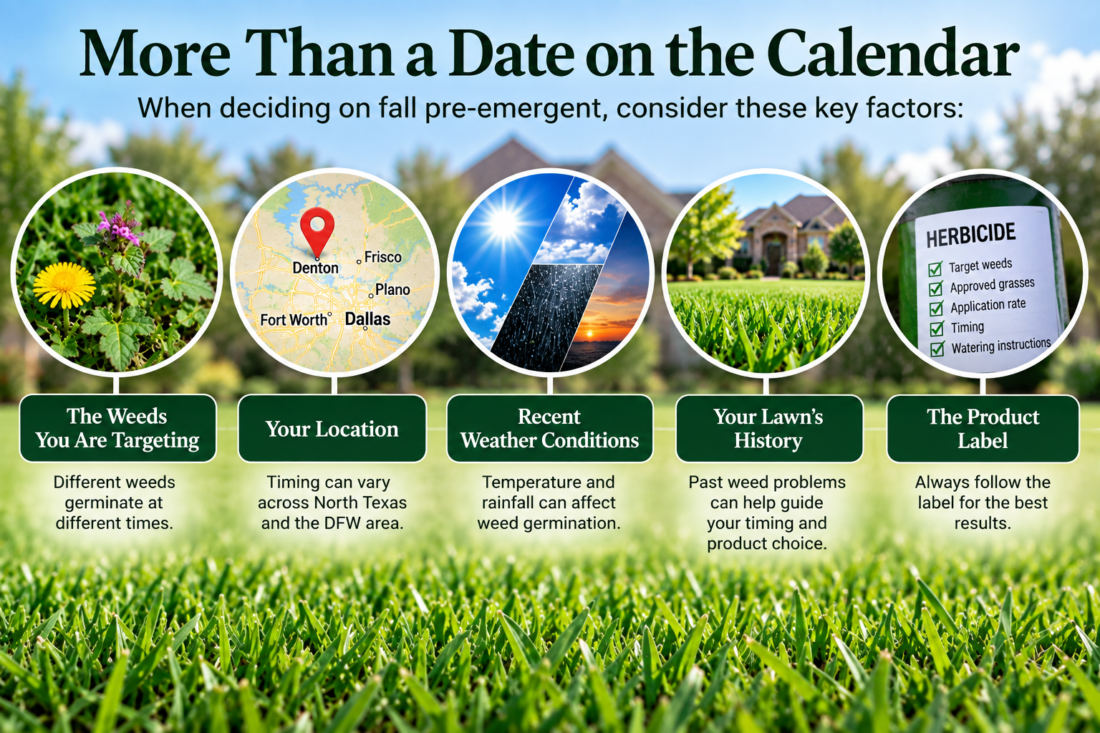
Rather than relying on a single calendar date or temperature for every lawn, consider:
-
The weeds you are targeting
-
Your location
-
Recent weather conditions
-
Your lawn's history
-
The product label
4. Check the Product Label
The label is one of the most important resources when selecting and applying a pre-emergent.
Check the label for:
-
Target weeds
-
Approved turfgrass species
-
Application rate
-
Application timing
-
Watering requirements
-
Reapplication restrictions
-
Overseeding restrictions
-
Weather restrictions
Following the label helps improve effectiveness while reducing the risk of turf or landscape plant injury.
When Should You Apply Fall Pre-Emergent in North Texas?
The best time to apply fall pre-emergent depends on the weeds you are trying to prevent.
The goal is to have the herbicide in place before the target weed germinates.
For North Texas lawns with a history of winter annual grasses, fall applications may need to occur earlier than homeowners expect.
That does not mean every lawn should receive the same product on the same day. Weather, weed pressure, turf type, product selection, and label instructions all matter.
Take a look at our Weed and Feed Schedule for more information on when to apply weed control and fertilizer to your lawn.
What If Winter Weeds Have Already Emerged?
If winter weeds have already appeared, pre-emergent is not going to magically remove them.
Small, actively growing weeds may be easier to manage with an appropriate post-emergent treatment. The correct product depends on the weed and the grass you are trying to protect.
For more information, read our guide to Post-Emergent Winter Weed Control, which explains how to manage weeds that have already emerged.
Fall Pre-Emergent and Ryegrass Overseeding
If you plan to overseed your lawn with ryegrass for winter color, be especially careful when using fall pre-emergent.
Some pre-emergent products can interfere with the establishment of desirable cool-season grasses. Many products used for annual bluegrass prevention cannot be applied for several weeks before ryegrass overseeding.
If you plan to overseed, check the product label carefully before applying a pre-emergent.
This is an important consideration for North Texas homeowners who want both winter weed prevention and a temporary winter lawn.
Consider getting a flower-bed clean-up service as another way to prepare your outdoor space for cooler temperatures.
How to Apply Fall Pre-Emergent
Once you have selected an appropriate product, proper application is just as important as choosing the right active ingredient.
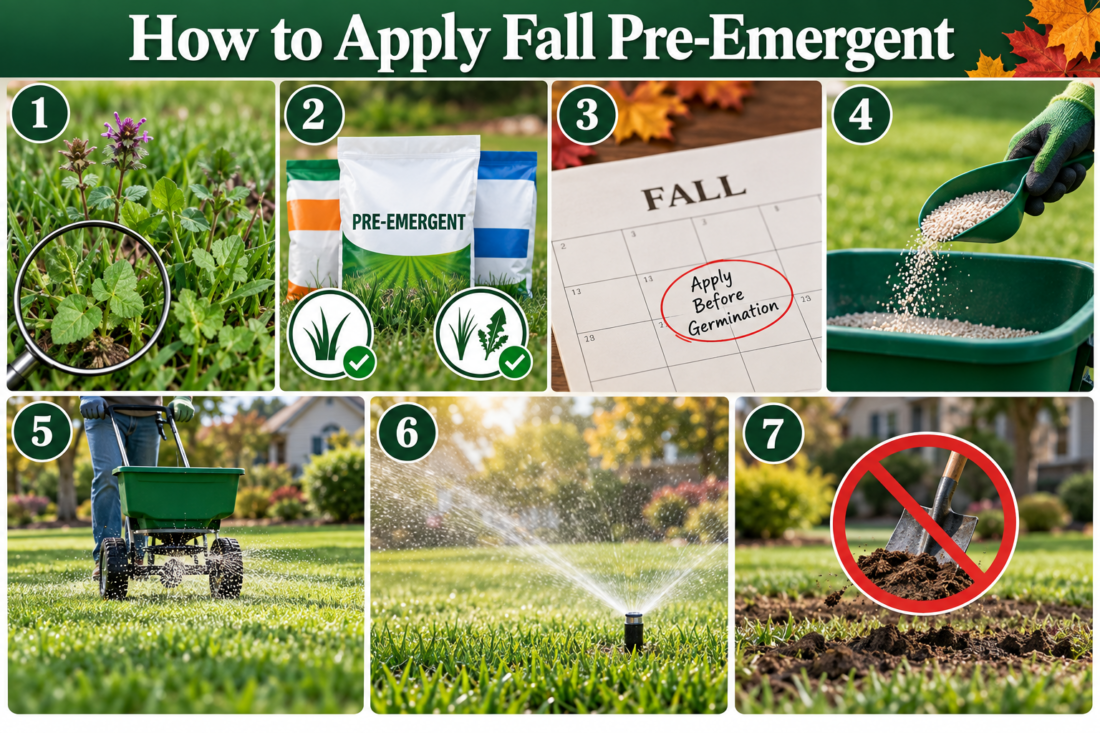
1. Identify the Target Weeds
Know what you are trying to prevent before applying a product.
2. Select a Product Labeled for Your Lawn
Confirm that the product can be used on your turfgrass and is labeled for the weeds you are targeting.
3. Apply Before Germination
Pre-emergent needs to be applied before the target weeds germinate. Waiting until weeds are visible can reduce the value of a preventive application.
4. Apply the Correct Amount
More is not necessarily better. Applying too much can increase the risk of turf injury or other problems.
Follow the product's labeled application rate.
5. Apply Evenly
Uneven coverage can leave untreated areas where weeds can establish.
If using a spreader or sprayer, make sure the equipment is properly calibrated.
6. Follow the Product's Watering Instructions
Some products require watering after application, while specific requirements vary by product.
Do not assume that every pre-emergent needs the same amount of water. Follow the instructions on the label.
7. Avoid Disturbing the Treated Soil
Because pre-emergent works within the soil surface, activities that significantly disturb the treated area can interfere with the protective barrier.
What Else Can You Do to Prevent Winter Weeds?
Pre-emergent is only one part of effective weed prevention.
A healthy, dense lawn gives weeds fewer opportunities to establish.
Keep Your Lawn Thick
Bare and thin areas provide space for weed seeds to germinate.
If you can see large amounts of exposed soil between grass plants, consider why the turf is thinning and address the underlying problem.
Mow at the Right Height
Avoid scalping your lawn in an attempt to prepare it for winter.
The correct mowing height depends on your grass type. Maintaining appropriate mowing practices helps support healthier turf and can reduce conditions that favor weeds.
Water Wisely
Both overwatering and underwatering can create lawn problems.
Water according to your turfgrass needs and current weather conditions rather than following a rigid schedule throughout the year.
Fertilize Based on Lawn Needs
Fertilizer should support healthy turf growth rather than simply being applied because it is fall.
Over-fertilizing or fertilizing at the wrong time can create other lawn problems. Follow a nutrient-management plan appropriate for your grass type and local conditions.
Use Pre-Emergent at the Right Time
Even a high-quality product will not provide the intended results if it is applied too late.
Timing should be based on the target weed, local conditions, and the product label.
Can You Hand-Pull Winter Weeds?
Yes.
If you only have a few weeds, hand-pulling can be a practical option.
Try to remove the entire weed, including as much of the root system as possible. Be careful not to unnecessarily disturb the surrounding soil because soil disturbance can create additional opportunities for weed seeds to germinate.
Hand-pulling becomes much less practical when weeds have spread throughout an entire lawn.

Why Do Winter Weeds Keep Coming Back?
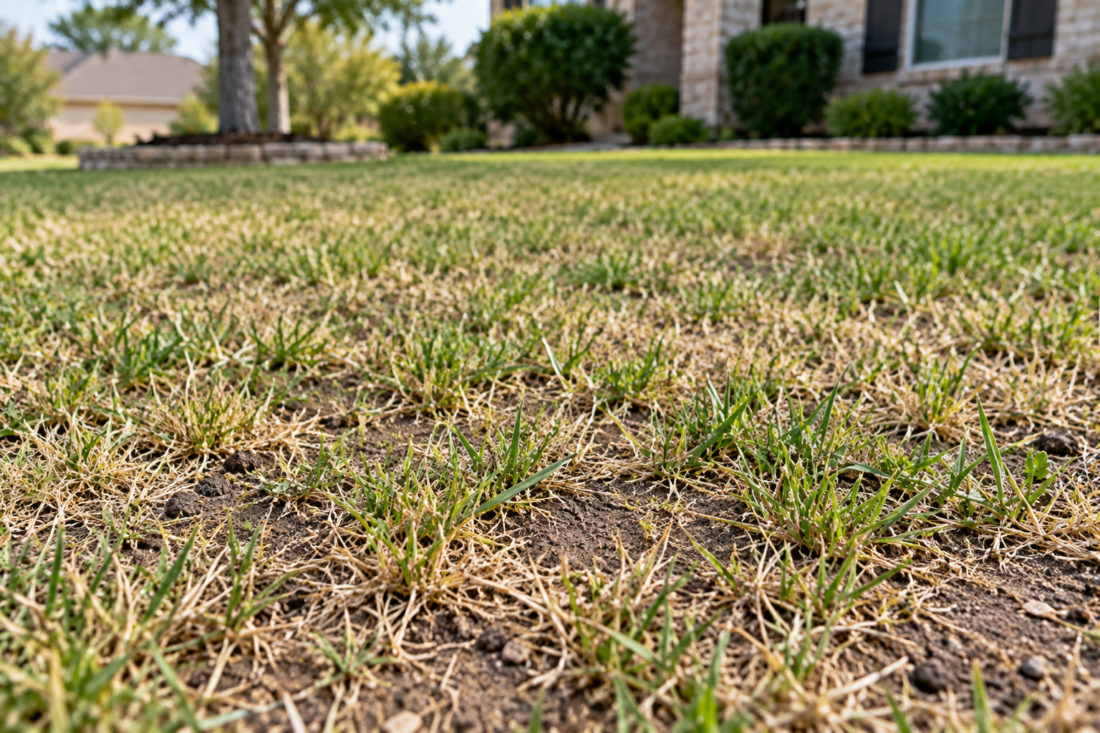
If the same weeds appear every year, the problem may not simply be a lack of herbicide.
Recurring winter weeds can be associated with:
-
Thin or bare turf
-
Poor mowing practices
-
Improper watering
-
Soil problems
-
Previous weed infestations
-
Missed or poorly timed pre-emergent applications
-
Soil disturbance
-
Weeds producing and dropping seed before they are controlled
A long-term weed-control strategy should address both the existing weeds and the conditions that allow them to return.
Use an Integrated Approach to Weed Control
The most effective lawn care programs do not depend on one product.
Instead, they combine several strategies, including:
-
Healthy turf management
-
Proper mowing
-
Appropriate watering
-
Proper fertilization
-
Weed identification
-
Timely pre-emergent applications
-
Post-emergent treatments when necessary
-
Hand-pulling or mechanical removal for small infestations
This approach can help reduce weed pressure while keeping the focus on maintaining healthy turf.

Need Help With Fall Weed Control?
Choosing and timing pre-emergent can be difficult, particularly when you have multiple grass types, recurring weeds, or a lawn that has already developed an infestation.
Ryno Lawn Care provides professional lawn care and weed control services throughout North Texas. Our team can help identify lawn problems, develop a weed-control strategy, and determine the appropriate approach for your property.
Want to get ahead of winter weeds? Contact Ryno Lawn Care today to learn more about our lawn maintenance and weed-control services.
Frequently Asked Questions
What is the best pre-emergent for fall?
There is no single best pre-emergent for every lawn. Prodiamine, dithiopyr, pendimethalin, and isoxaben are common active ingredients, but the right choice depends on the weeds you are targeting, your grass type, application timing, and the product label.
When should I apply fall pre-emergent in North Texas?
Apply fall pre-emergent before the target winter weeds germinate. Timing varies by weed and product. Texas A&M notes that annual bluegrass can germinate in early to mid-September in North Texas, while certain products for winter annual grasses may be applied from mid-August to mid-September.
Does pre-emergent kill weeds that are already growing?
Generally, no. Pre-emergent is intended to prevent susceptible weeds from becoming established. Existing weeds may require an appropriate post-emergent treatment.
Can I use pre-emergent if I have St. Augustine grass?
Some pre-emergent products can be used on St. Augustine, but not every product is appropriate. Always verify that the specific product is labeled for St. Augustine before applying it.
Can I use fall pre-emergent if I am overseeding with ryegrass?
Not necessarily. Some pre-emergent products can interfere with ryegrass establishment. Texas A&M recommends checking the product label because many products require a waiting period before overseeding.
What winter weeds are common in North Texas?
Common winter weeds include annual bluegrass, rescuegrass, henbit, chickweed, and common groundsel. The specific weeds present will vary by lawn and location.
Is pre-emergent enough to control all weeds?
No. Pre-emergent is one part of an overall weed-management program. Healthy turf, proper mowing and watering, weed identification, and post-emergent control may also be necessary.

Michelle Valdivia
Michelle brings expertise in educational communication to lawn care content creation. She holds degrees in Human Development and Family Studies and Education. Over four years, she has created professional web content for landscaping and lawn care businesses, collaborating with experienced lawn care teams to ensure each blog post is rooted in real-world expertise.