
If you’ve ever tried fighting weeds on your own, you know how sneaky they can be. One week your lawn looks perfect, and the next—boom—crabgrass, dandelions, or clover start taking over. That’s where a professional weed control service comes in.
At Ryno Lawn Care, we understand that homeowners want a clean, healthy lawn without the stress of constant weed battles. But it’s also normal to have questions (and maybe a few concerns) about what happens after a treatment. Let’s walk through what you can expect from our weed control services—and how we make sure you’re confident every step of the way.
1. Results Take a Little Time
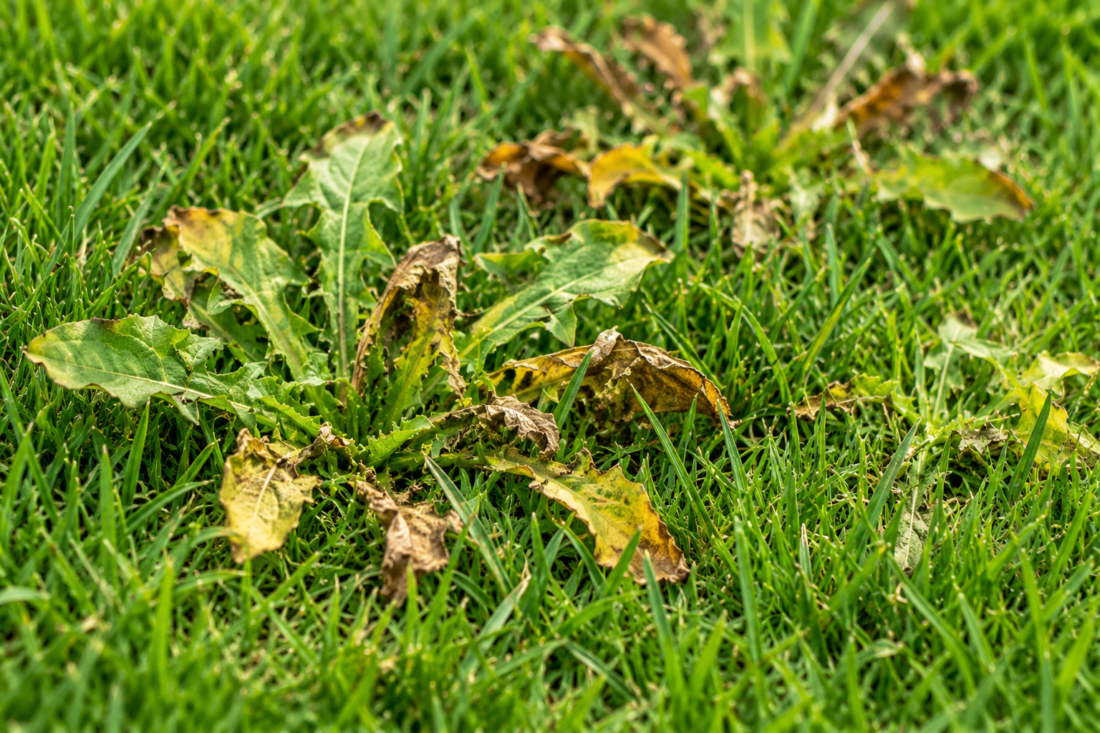
After your first treatment, don’t be alarmed if weeds don’t disappear right away. Most weed control products need 7–21 days to fully work. You’ll notice weeds curling, yellowing, or wilting as they die off.
That’s exactly what should happen—the product is working its way down to the root. If you still see some weeds after a few weeks, we’ll recheck the area and spot-treat as needed.
👉 We treat your lawn like it’s our own—and we’re not happy until you are.
2. Weather Can Affect Results
Rain, heat, and wind all impact how well weed control treatments work. Heavy rain shortly after an application can wash products away, and extreme heat can reduce effectiveness.
Our technicians always check the forecast before applying, and if conditions aren’t right, we’ll reschedule for the best possible results.
If it rains unexpectedly soon after your treatment, just give us a call—we’ll assess the situation and reapply if necessary.
3. Weed Control Is an Ongoing Process
One treatment isn’t enough to keep weeds away for good. Weeds germinate and grow in cycles, meaning new ones can pop up even after old ones die off.
That’s why Ryno Lawn Care offers seasonal weed control programs with both pre-emergent (to stop new weeds from sprouting) and post-emergent (to eliminate existing weeds) applications.
Over time, your lawn will grow thicker and stronger—naturally crowding out weeds and creating that lush, green yard you’ve always wanted.
Weed Control Treatments Change Over Time
-
Spring: Treatments focus on preventing summer weeds such as crabgrass and controlling existing broadleaf weeds.
-
Summer: Technicians monitor for warm-season weeds such as spurge and nutsedge.
-
Fall: Pre-emergent treatments help prevent cool-season weeds such as henbit and annual bluegrass.
-
Winter: Monitoring and appropriate treatments help manage weeds that remain active during cooler weather.
Learn more about weed control by reading: When to apply pre-emergent in North Texas.
4. Safety for Kids and Pets
Your lawn is where your family and pets play, and we take that seriously. We only use EPA-approved products and apply them carefully according to all safety guidelines.
We typically recommend waiting about two hours after treatment before letting kids or pets back on the lawn—just enough time for everything to dry. After that, it’s completely safe to enjoy your yard again.
If you ever have concerns about product safety, our technicians are always happy to explain what we use and why.
5. Some Weeds Are Stubborn by Nature
Certain weeds—like nutsedge, dallisgrass, or spurge—are tougher than others and may need multiple treatments. That doesn’t mean your service isn’t working; it just means those particular weeds are more resilient.
We’ll keep you informed about what’s happening and provide a clear plan for follow-up treatments. Transparency is part of how we build long-term trust with our customers.
6. Fertilization and Weed Control Work Best Together
Weed control is most effective when your lawn is healthy and well-fed. Thick, nutrient-rich grass naturally prevents weeds from spreading by blocking sunlight and space they need to grow.
That’s why Ryno Lawn Care often pairs weed control with seasonal fertilization services—a powerful combination for long-term lawn health.
If you’re curious about timing, check out our Weed and Feed Schedule for Lawn
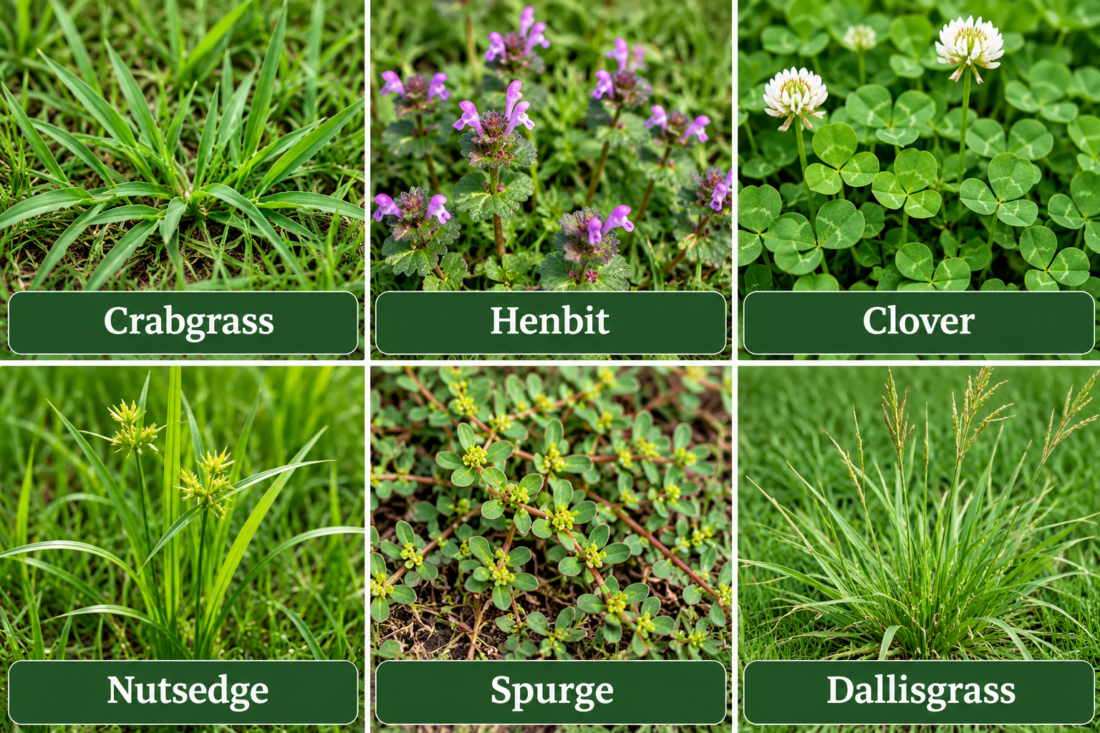
Common Weeds Found in North Texas Lawns
North Texas lawns can develop different types of weeds throughout the year. Some appear during cooler months, while others thrive in the heat of summer. Identifying the weeds growing in your lawn helps determine which treatments will be most effective.
-
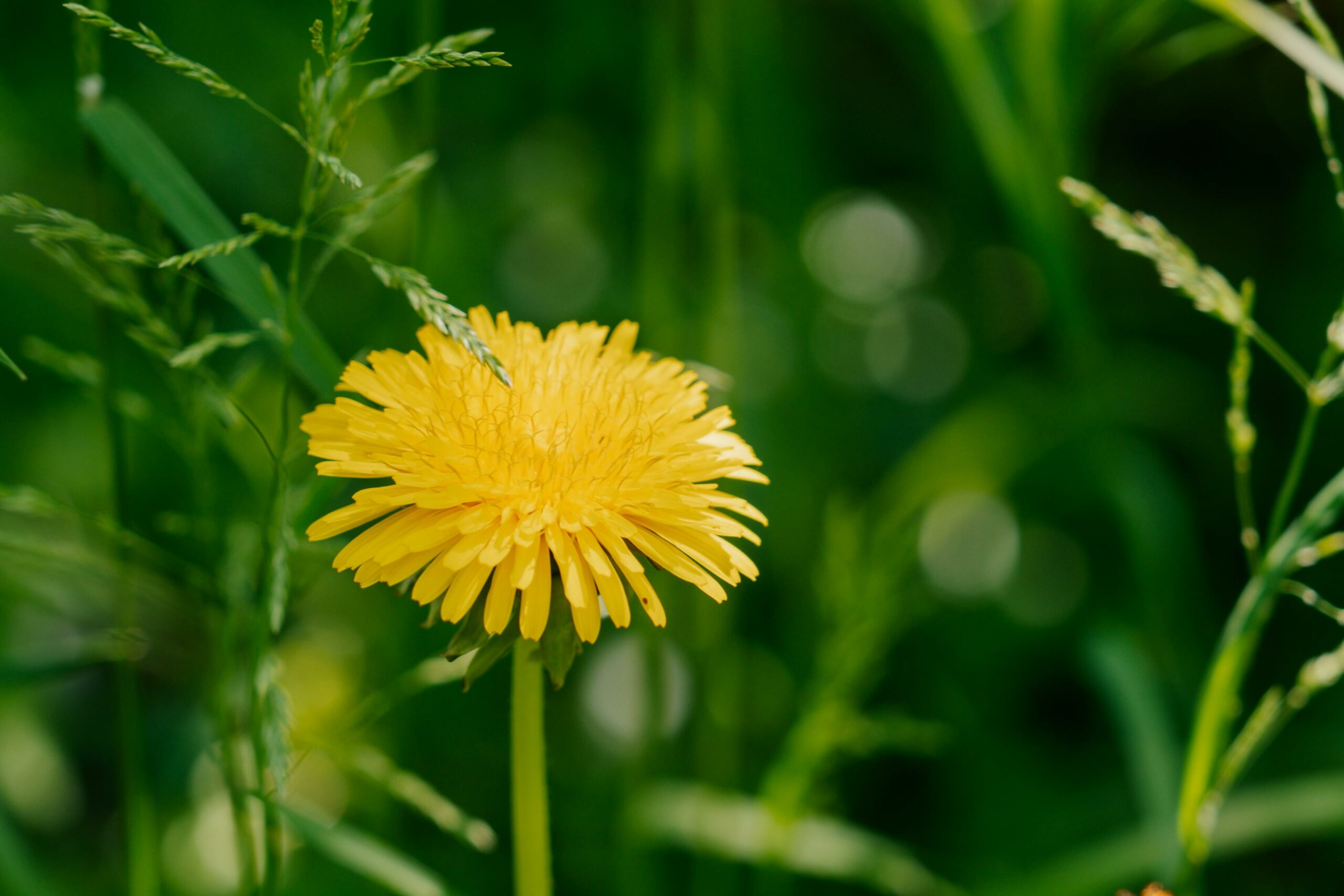
Crabgrass: A warm-season annual weed that typically emerges in spring and spreads during summer.
-
Henbit: A cool-season weed with small purple flowers that commonly appears in late winter and early spring.
-
Clover: A broadleaf weed that can spread through lawns, particularly in areas with thin grass coverage.
-
Nutsedge: A grass-like weed that thrives in moist soil and can be difficult to control with standard broadleaf treatments.
-
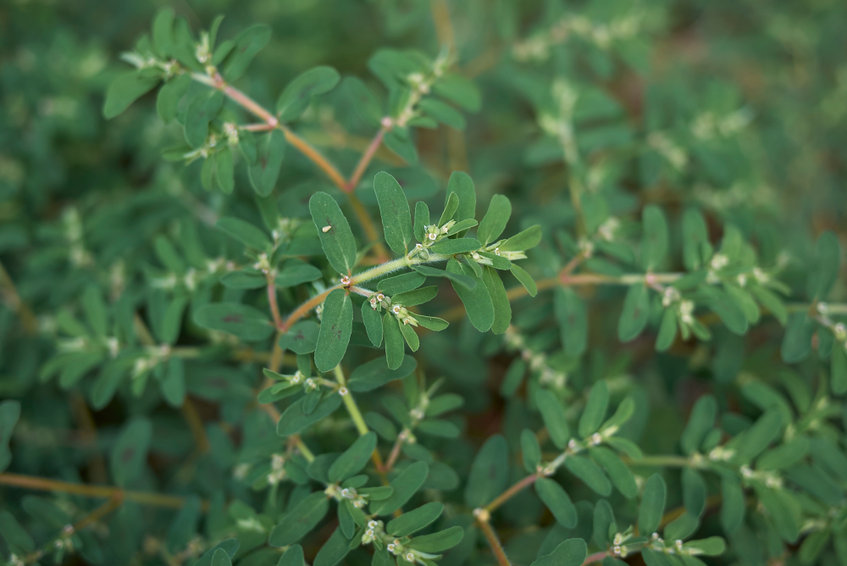
Spurge: A warm-season weed that spreads in sunny, thin, or stressed areas of the lawn.
-
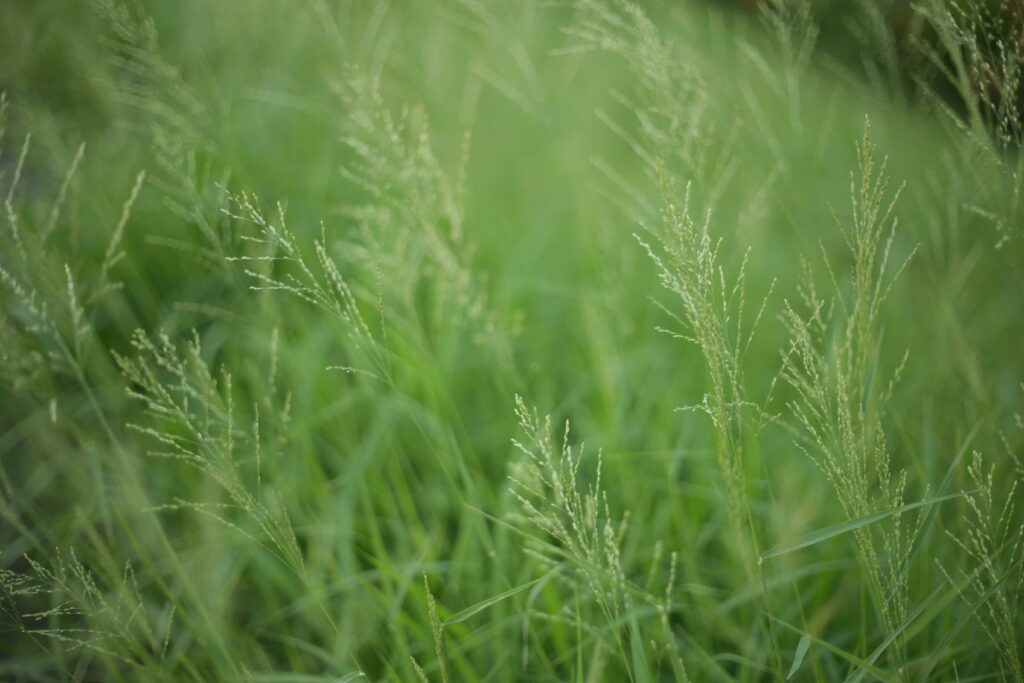
Dallisgrass: A perennial grassy weed that can be difficult to eliminate because of its extensive root system.
What Happens During Your First Weed Control Treatment?
When you schedule professional weed control, the first visit typically begins with an assessment of your lawn. Understanding the type of grass, existing weeds, and overall lawn condition helps determine which treatments are appropriate.
During your initial service, you can generally expect:
-
Lawn inspection: A technician evaluates your lawn for visible weeds, thin areas, and other conditions that may contribute to weed growth.
-
Weed identification: Different weeds require different treatment approaches. Identifying whether weeds are grassy, broadleaf, or sedge helps determine the appropriate products.
-
Treatment application: Depending on your lawn's needs, a technician may apply pre-emergent or post-emergent treatments.
-
Application instructions: You'll receive guidance about watering, mowing, and when people and pets can return to treated areas.
-
Follow-up recommendations: Your technician can explain whether additional applications or seasonal treatments are needed.
Final Thoughts: We’re in This Together
At Ryno Lawn Care, we believe a beautiful lawn is a partnership. We’ll keep you informed, answer your questions honestly, and make sure your lawn gets the attention it deserves—every single visit.
If something doesn’t look right after a treatment, we’ll come back out, assess it, and make it right. That’s part of the Ryno difference.
Not sure which weeds are taking over your lawn? Explore Ryno Lawn Care's Lawn Weed Identification Guide to learn how to recognize common lawn weeds and find the right approach to keeping your North Texas lawn healthy and weed-free.
Ready for a Weed-Free Lawn?
Say goodbye to stubborn weeds and hello to a greener, healthier yard.
👉 Schedule your weed control service with Ryno Lawn Care today!
FAQ about weed control services
How much does a weed control service cost?
Weed control services typically cost between $50 and $100 per treatment, depending on your lawn size, the type of weeds, and whether pre-emergent or post-emergent products are used.
What are the disadvantages of chemical weed control?
Chemical weed control can sometimes stress your grass if applied incorrectly and may pose risks to nearby plants or the environment if overused or misapplied.
Is it better to pull out weeds or spray them?
For small, isolated weeds, hand-pulling works well, but spraying is more effective for widespread or deep-rooted weeds since it targets the entire root system.
How long to wait to mow a lawn after weed treatment?
It’s best to wait 24–48 hours after a weed control treatment before mowing to give the product time to absorb into the weeds for maximum effectiveness.
How often should you schedule professional weed control?
Most lawns benefit from a seasonal weed control program rather than a single treatment. Application frequency depends on the types of weeds present, grass variety, and seasonal growing conditions.
Does professional weed control kill all types of weeds?
Not every weed responds to the same treatment. Broadleaf weeds, grassy weeds, and sedges require different approaches. Some persistent weeds may also need multiple applications.
Can weed control treatments damage my grass?
When the correct products are selected and applied according to their labels, treatments can target specific weeds while minimizing damage to desirable turfgrass. However, some products have restrictions based on grass variety, weather, and application conditions.
Should I mow before or after weed control treatment?
Mowing recommendations depend on the product being applied. Your lawn care technician can explain how long to wait before mowing to give the treatment time to work.

Michelle Valdivia
Michelle brings expertise in educational communication to lawn care content creation. She holds degrees in Human Development and Family Studies and Education. Over four years, she has created professional web content for landscaping and lawn care businesses, collaborating with experienced lawn care teams to ensure each blog post is rooted in real-world expertise.