

Fall is an important season for preparing your North Texas lawn for winter. After months of intense heat, drought, and heavy foot traffic, your grass may need help recovering from summer stress. The right fertilizer application can replenish nutrients, improve turf density, and help your lawn enter winter in better condition.
But when should you apply fall fertilizer?
For North Texas homeowners, the answer depends on your grass type, soil conditions, weather, and how actively your lawn is still growing. Applying fertilizer too early can encourage unnecessary growth, while applying nitrogen too late in the season can increase the risk of winter injury and disease.
Why Fertilize Your Lawn in the Fall?
North Texas lawns can take a beating during the summer. High temperatures, drought conditions, irrigation demands, and frequent mowing all put stress on warm-season grasses such as Bermudagrass, Zoysiagrass, and St. Augustinegrass.
As temperatures begin to cool, your lawn has an opportunity to recover.
A properly timed fall fertilizer application can:
-
Replenish nutrients used during the growing season
-
Help maintain healthy turf density
-
Improve fall color
-
Help the lawn compete with winter weeds
-
Support better spring recovery
-
Prepare the lawn for the transition into winter
Fall fertilizer applications, when properly timed, can promote thicker turf, enhance fall color, support spring recovery, and help your lawn better compete with winter weeds.
However, more fertilizer isn't necessarily better. Excess nitrogen can contribute to disease problems, winter weed growth, and nutrient pollution.
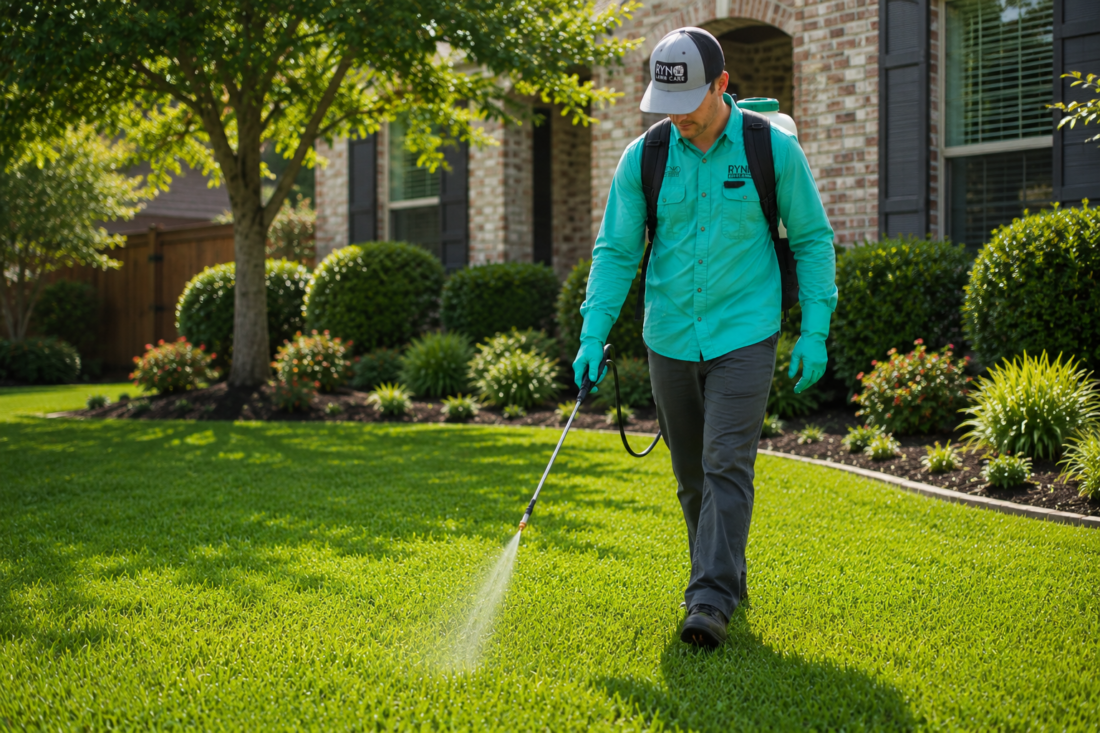
When Should You Apply Fall Fertilizer in North Texas?
There isn't one specific calendar date that works for every North Texas lawn.
Instead, fall fertilization should be based on grass growth and the timing of your area's first frost.
Find out the average date for the first frost for North Texas.
For many lawns in North Texas, September and October are important months to evaluate whether another fertilizer application is needed. However, the application should be made while your warm-season grass is still actively growing and should generally be completed at least four to six weeks before the area's historical first frost date.
Fall Fertilization Timing at a Glance
| Time of Year | What to Do |
|---|---|
| Late August–September | Evaluate lawn condition and consider a soil test. Continue normal lawn maintenance while grass is actively growing. |
| September–October | Potential window for a final fertilizer application, depending on grass growth, soil needs, and local weather. |
| 4–6 weeks before historical first frost | Aim to have the final nitrogen application completed by this point. |
| Late fall/winter | Avoid late nitrogen applications as warm-season grass approaches dormancy. |
Remember: This is a general guide, not a rigid schedule. North Texas weather can vary significantly from year to year.
Does Your Grass Type Matter?
Absolutely.
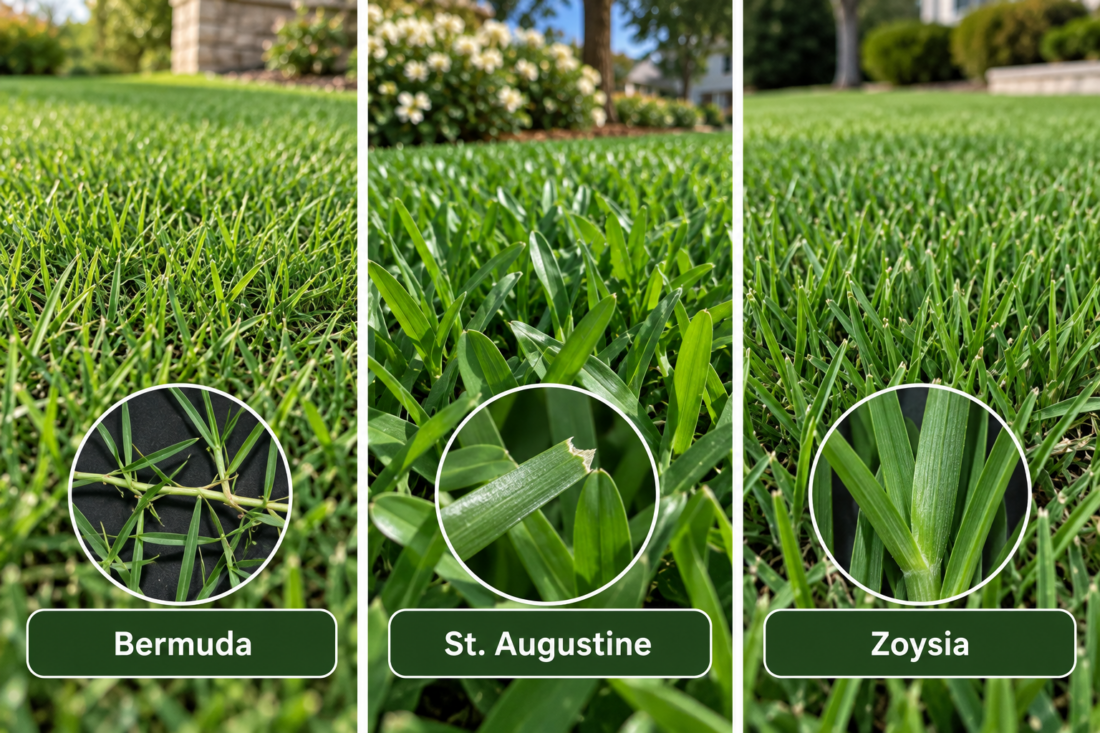
The three most common warm-season grasses you'll encounter in North Texas—Bermudagrass, Zoysiagrass, and St. Augustinegrass—have different nutritional needs.
Bermudagrass
Bermudagrass generally responds well to nitrogen when it is actively growing. However, it should not be fertilized once it has entered dormancy or during periods of significant heat and drought stress.
St. Augustinegrass
St. Augustinegrass can benefit from a properly managed fertilization program, but excessive late-season nitrogen can increase the risk of winter injury and disease. We recommend completing the final fertilizer application at least four to six weeks before the historical first frost date.
Zoysiagrass
Zoysiagrass generally requires less nitrogen than Bermudagrass or St. Augustinegrass. Avoid excessive late-fall nitrogen applications. Complete the final application four to six weeks before the historical first frost.
The takeaway: Don't use the same fertilizer schedule for every lawn. Grass type and growing conditions matter.
Should You Test Your Soil Before Fertilizing?
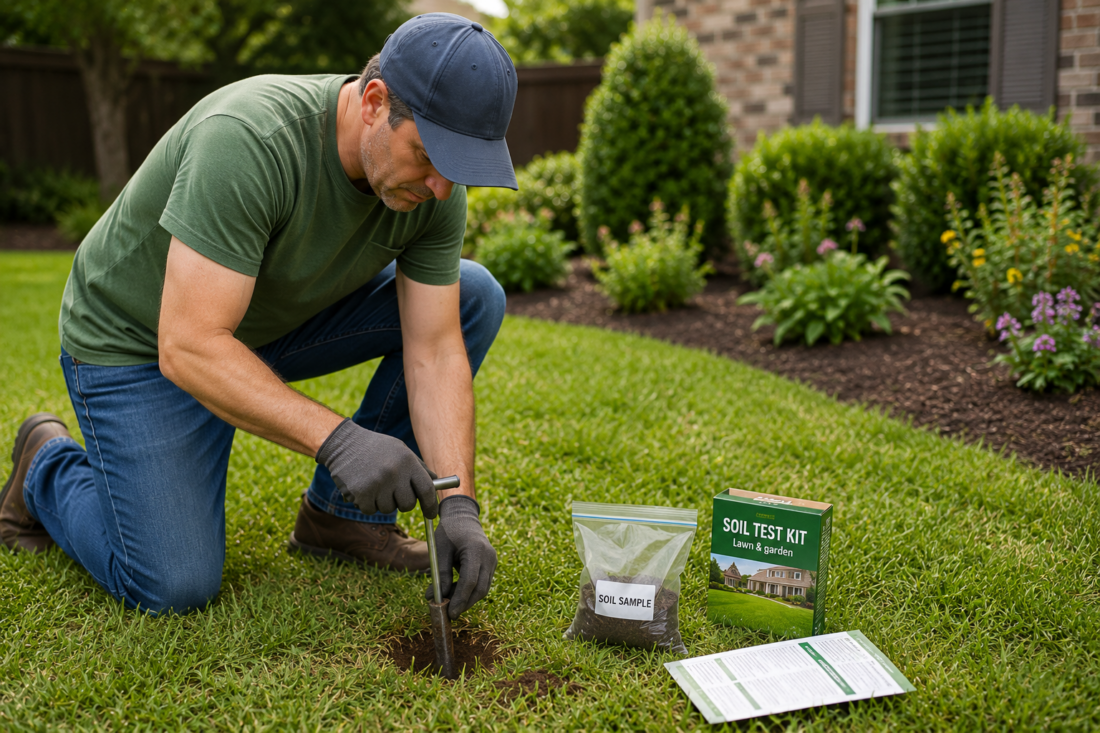
If you're unsure whether your lawn needs fertilizer, a soil test is one of the best places to start.
A soil test can identify nutrient levels and soil pH, helping determine which nutrients your lawn actually needs. Texas A&M AgriLife recommends basing nutrient applications on soil-test results whenever possible.
This is especially important if you've been fertilizing regularly but aren't seeing the results you expect.
Your lawn may not need more fertilizer. It could instead have a soil pH issue, drainage problem, irrigation problem, compaction, disease, or another underlying issue.
What Type of Fall Fertilizer Should You Use?
There's no single fertilizer that's right for every North Texas lawn.
The appropriate product depends on:
-
Grass type
-
Soil nutrient levels
-
Soil pH
-
Existing lawn conditions
-
Previous fertilizer applications
-
Whether you need nitrogen, phosphorus, potassium, or another nutrient
Avoid choosing a fertilizer simply because it has a high number on the bag. A higher fertilizer analysis doesn't automatically mean a healthier lawn.
If a soil test shows adequate phosphorus, for example, adding more phosphorus may be unnecessary.
Should You Mow Before Fertilizing?
Yes, you should mow before fertilizing if your lawn needs it, but don't dramatically lower the mowing height simply because you're applying fertilizer.
Continue following the appropriate mowing height for your grass type and avoid removing more than one-third of the grass blade at a time.
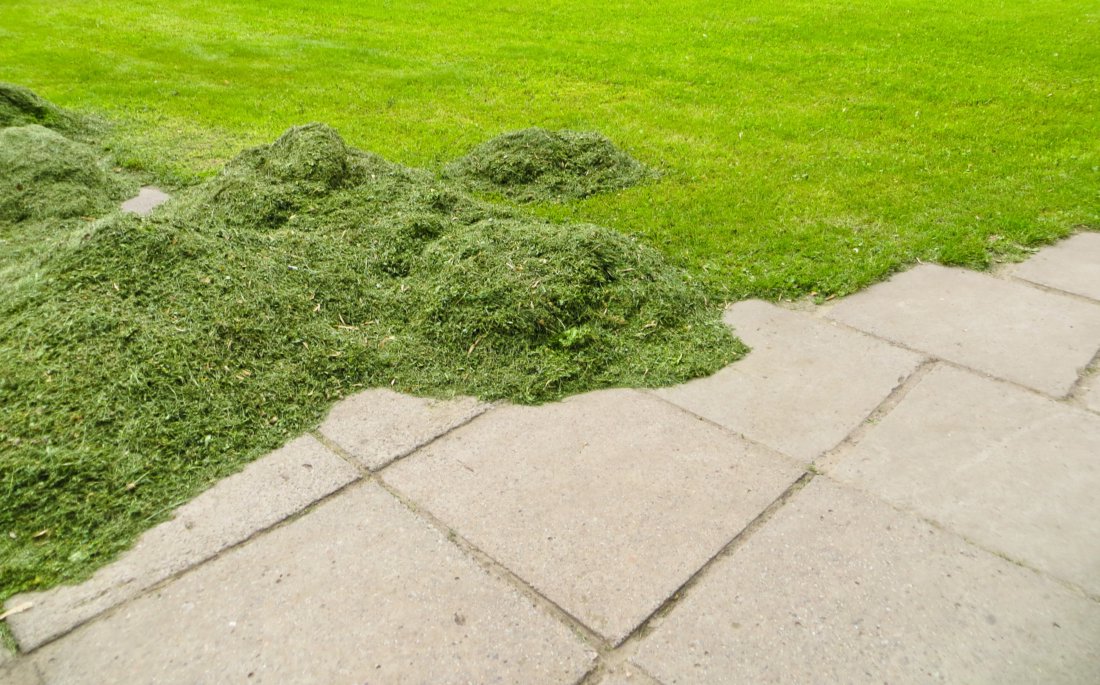
You can also leave healthy grass clippings on the lawn. Grass clippings return nutrients and organic matter to the soil as they decompose.
What Is the Best Time of Day to Fertilize?
Fall temperatures are generally more comfortable for lawn work than summer temperatures, but weather conditions still matter.
More important than choosing a particular hour of the day is making sure:
-
The grass is actively growing.
-
The lawn isn't severely drought-stressed.
-
Heavy rainfall isn't expected immediately after application.
-
You apply the correct amount of fertilizer.
-
You follow the product's watering instructions.
Avoid applying fertilizer when heavy rain is expected within the next 24 hours. Excessive rainfall will wash nutrients away before your lawn has a chance to absorb them.
If granular fertilizer is accidentally blown or spread onto sidewalks, driveways, or other hard surfaces, sweep or blow it back onto the lawn rather than washing it into storm drains.
Don't Forget About Fall Weed Control
Fertilization isn't the only fall lawn care task that matters in North Texas.
Cooler weather also signals the beginning of the growing season for many winter annual weeds, including:
-
Henbit
-
Common chickweed
-
Annual bluegrass
-
White clover
-
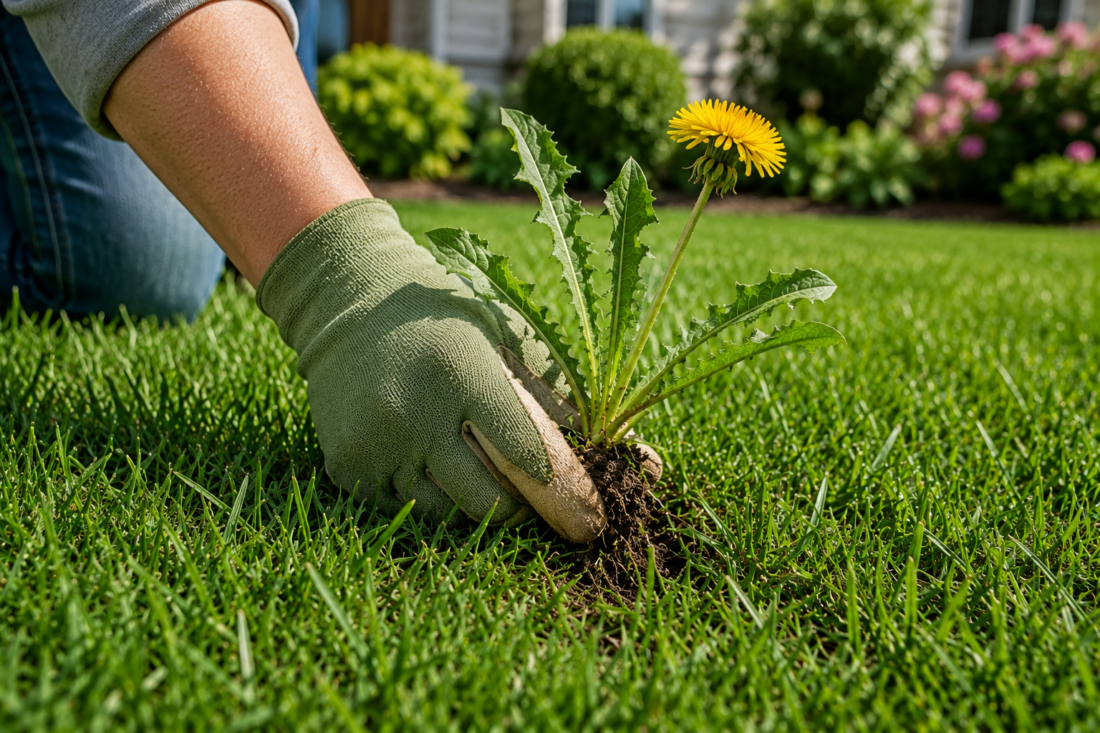
Dandelions
-
Rescuegrass
-
Lawn burweed
This makes fall an important time to think about both fertilization and weed control. Check out our weed identification guide to learn more.
Pre-emergent treatments can help prevent certain weeds from becoming established, while post-emergent products can be used to control weeds that have already emerged.
Want more fall lawn care tips? Check out Ryno Lawn Care's Top Tips for Fall Lawn Prep.
Fall Lawn Fertilization Checklist
Before you reach for the fertilizer spreader, walk around your lawn and ask:
☐ What type of grass do I have?
☐ Is my grass still actively growing?
☐ Does my lawn actually need additional nutrients?
☐ Have I had my soil tested?
☐ When is the historical first frost for my area?
☐ Has my lawn been stressed by heat or drought?
☐ Is heavy rain in the forecast?
☐ Am I using a fertilizer appropriate for my grass and soil?
☐ Have I already applied fertilizer recently?
Taking a few minutes to answer these questions can help prevent unnecessary fertilizer applications.
Give Your North Texas Lawn the Fall Care It Needs
Fall can be an important transition period for North Texas lawns. After surviving months of summer heat, your grass needs the right combination of mowing, watering, fertilization, and weed control to remain healthy as temperatures fall.
The goal isn't simply to apply more fertilizer. It's to apply the right nutrients at the right time and in the right amount.
If you're unsure whether your lawn needs fall fertilizer—or which fertilizer is appropriate for your grass—professional lawn care can take the guesswork out of the process.
Ryno Lawn Care provides professional lawn fertilization and weed control services for homeowners throughout North Texas. Our team can evaluate your lawn and develop a comprehensive care plan designed around your grass, soil, and property's specific needs.

T. Stafford
Writing about gardening, lawn care, etc. to share what I've learned with others. I've lived in Texas my whole life, so I'm more familiar with this region's native plants.