
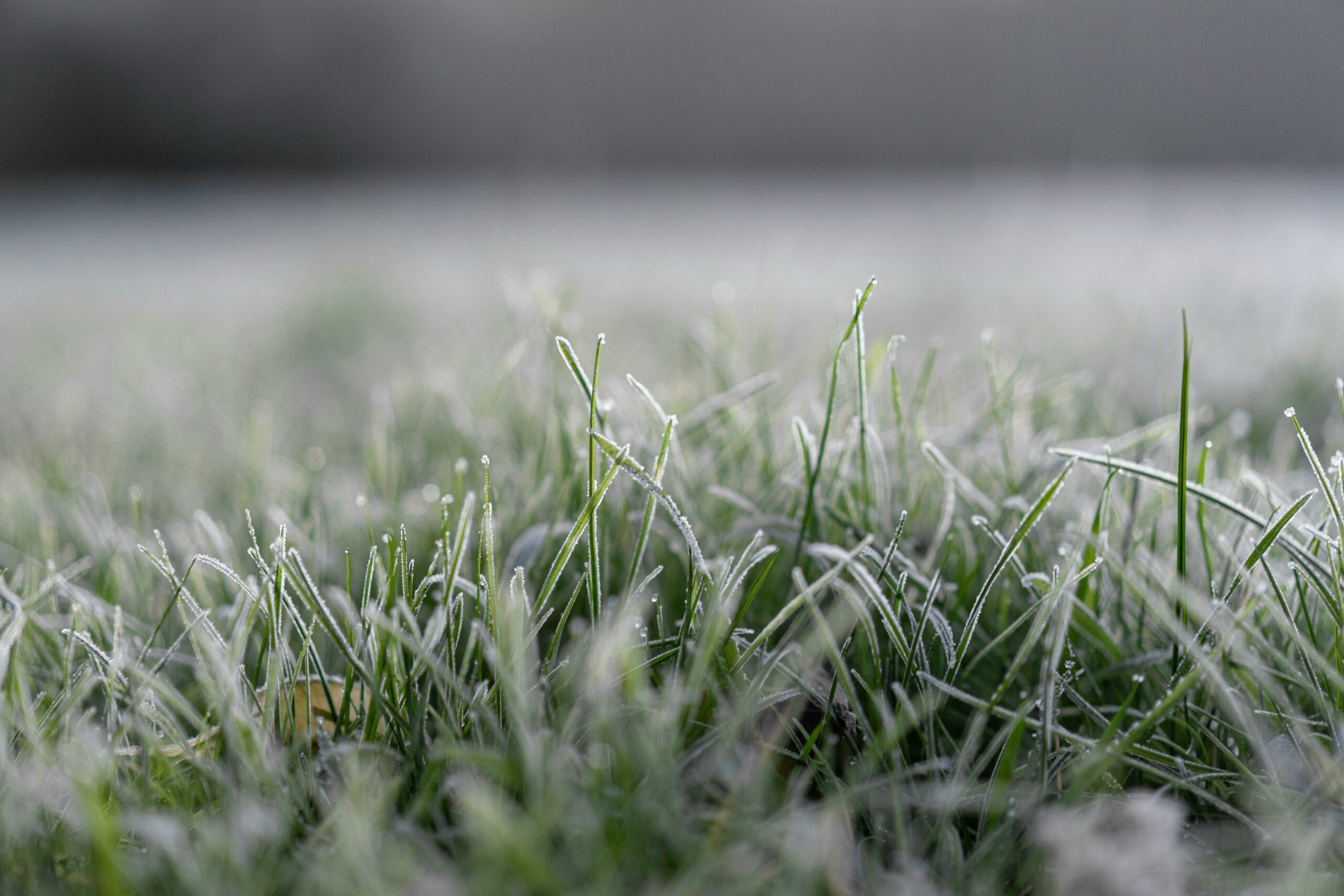
Winter mornings in North Texas can be beautiful—but they can also spell trouble for your lawn. Frost damage is a common problem, especially when temperatures drop unexpectedly overnight. Understanding how frost affects your grass and knowing how to prevent it can save you a lot of frustration and money come spring.
What Is Frost Damage?
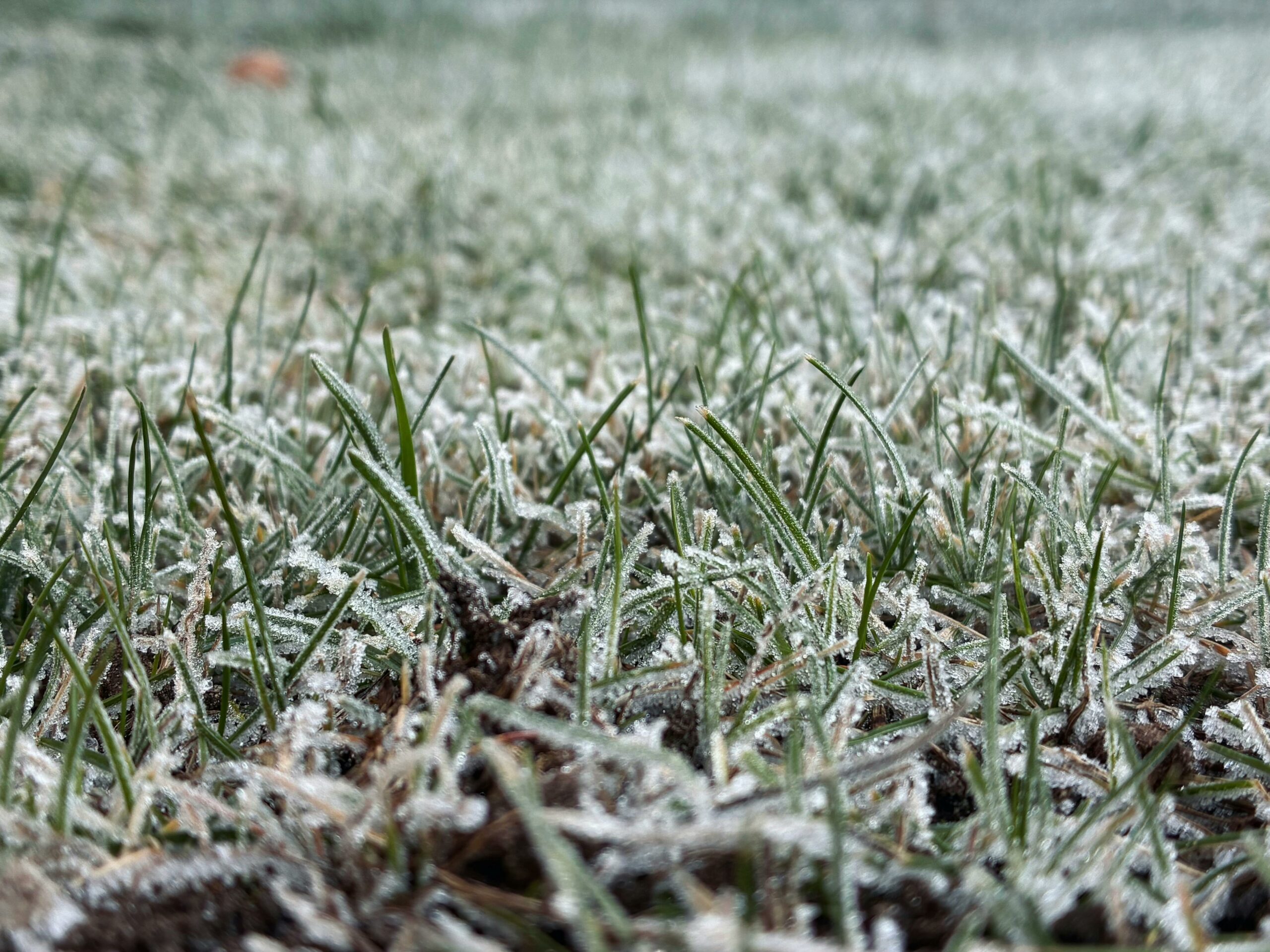
Frost forms when the temperature of the ground or the air falls below the freezing point of water, causing ice crystals to form on grass blades. These crystals can rupture plant cells, leaving your lawn looking brown, wilted, or patchy. While some grass varieties recover naturally, others can suffer long-term damage if preventative measures aren’t taken.
Key Signs of Frost Damage:
- Grass blades appear wilted, dark, or blackened in the morning
- Thin or patchy spots develop on previously healthy areas
- Grass feels brittle and breaks easily when walked on
Why Frost Damage Happens
Frost damage doesn’t just depend on temperature—it’s also influenced by soil moisture, grass type, and lawn care practices. Wet soil freezes more easily, making grass more vulnerable. Lawns that are stressed due to drought, poor fertilization, or improper mowing are also less resilient.
Grass Types and Frost Tolerance:
- Cool-season grasses (like fescue or rye) tolerate frost better
- Warm-season grasses (like Bermuda or St. Augustine) are more susceptible
Preventing Frost Damage on Your Lawn
While frost is inevitable in winter, there are practical ways to protect your lawn and minimize damage:
1. Avoid Walking on Frosty Grass
Walking on frozen grass can crush blades and worsen damage. If possible, stick to sidewalks or wait until the frost melts before mowing or playing on your lawn.
2. Proper Winter Watering
Surprisingly, keeping your lawn slightly moist before a frost can help insulate roots. However, avoid overwatering—wet soil freezes faster and can cause more harm.
3. Fertilize Strategically
Applying a winter fertilizer with low nitrogen and higher potassium can strengthen grass roots and improve frost resistance. Avoid heavy nitrogen fertilization in late fall, which encourages top growth that is easily damaged by frost.
4. Mow Carefully
Keep your grass a little longer during winter months. Taller blades help protect roots from freezing temperatures, acting as a natural insulating layer.
5. Cover Sensitive Areas
If you have ornamental lawns or newly planted grass, use frost blankets, tarps, or even cardboard to cover vulnerable areas during cold nights.
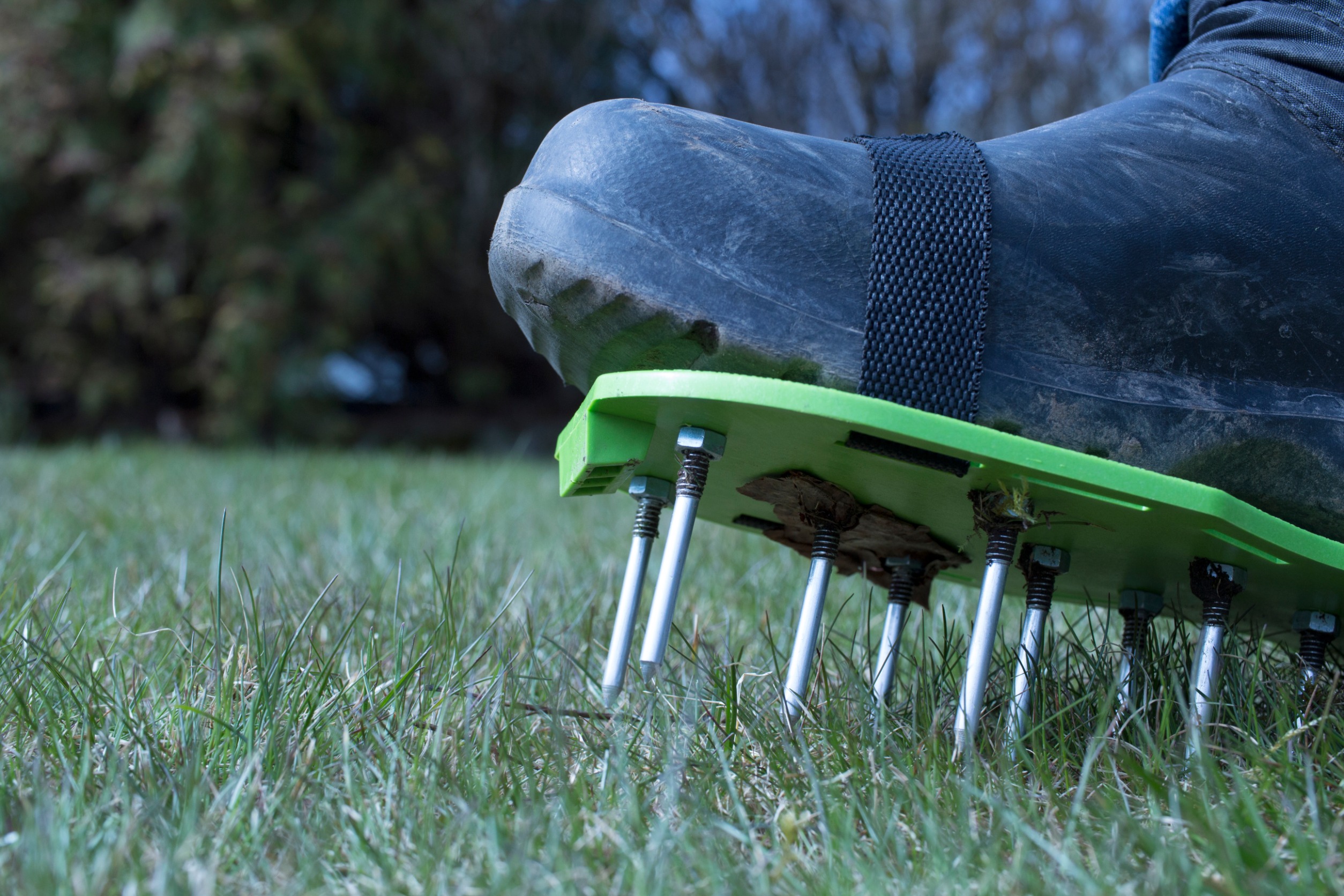
6. Aerate Your Lawn
Aeration improves drainage and reduces waterlogged soil, which can freeze more easily. This also promotes deeper root growth, increasing frost tolerance. Hire us for a lawn aeration service; we’d love to help get your lawn looking its best.
What to Do If Frost Damage Occurs
Even with precautions, some frost damage is inevitable. Here’s how to help your lawn recover:
- Wait before raking or removing damaged grass; it may recover naturally
- Avoid heavy foot traffic on damaged areas until spring
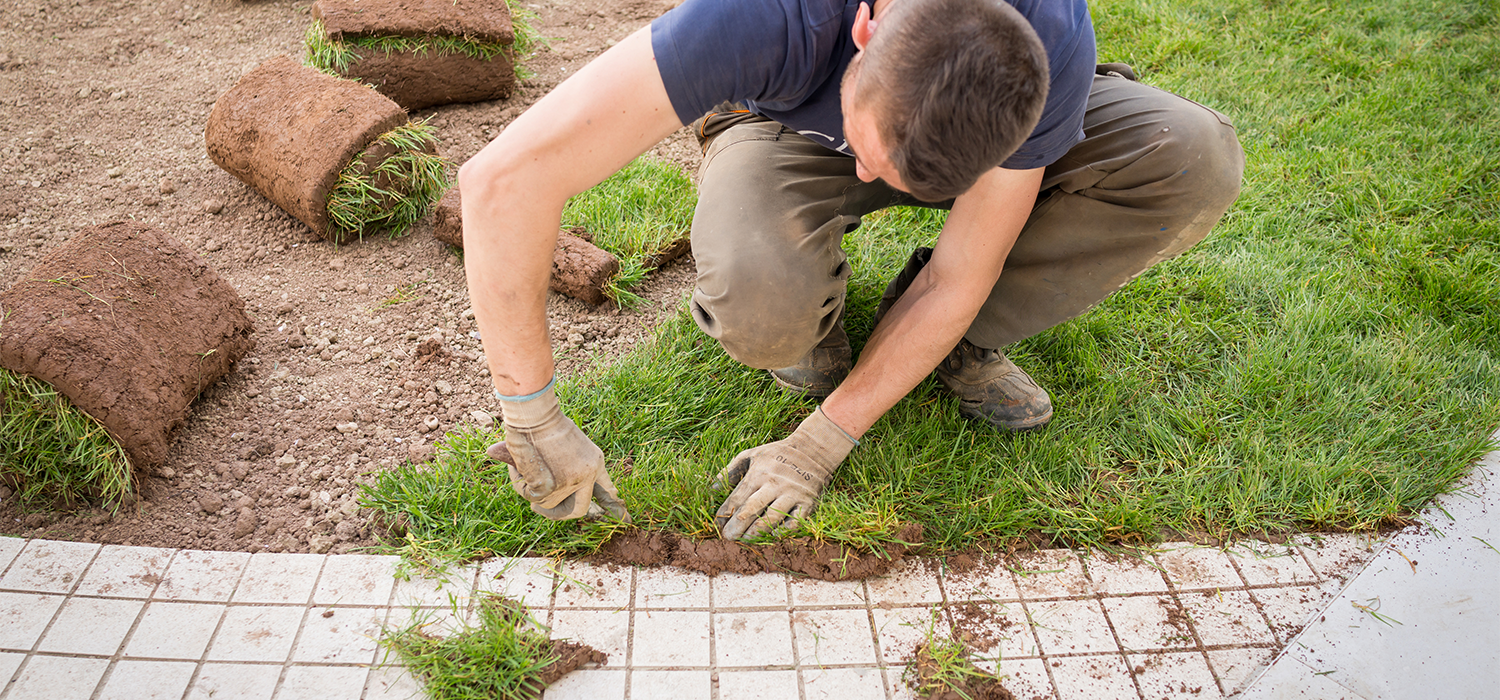
- Resod thin or bare spots in early spring to restore lush growth. Go to our sod installation service page.
- Continue proper lawn watering and fertilization to strengthen recovery. Get on our weed control and fertilization schedule.
Pro Tip: Some homeowners in North Texas apply a thin layer of mulch to frost-prone areas. It insulates the soil and can significantly reduce damage to shallow-rooted grass.
Lessons from North Texas Lawns
We’ve worked with many homeowners who see brown patches every winter. In most cases, the damage was preventable with simple steps: delaying morning lawn activities, applying winter fertilizer, and keeping grass slightly longer. Small actions like these save time, money, and the frustration of repairing frost-damaged lawns in spring.
Frost Damage Prevention Tips for Lawns
| Prevention Method | Why It Works | Quick Tip |
|---|---|---|
| Avoid Walking on Frosty Grass | Prevents crushing fragile, frozen blades | Stick to paths or wait until frost melts |
| Proper Winter Watering | Slightly moist soil insulates roots | Water early in the day to allow absorption |
| Strategic Fertilization | Strengthens roots, improves frost resistance | Use low nitrogen, high potassium fertilizers |
| Mow Carefully | Longer blades protect roots from freezing | Leave grass slightly taller in winter |
| Cover Sensitive Areas | Provides insulation against frost | Use frost blankets, tarps, or cardboard overnight |
| Aeration | Reduces waterlogged soil that freezes easily | Aerate in fall to improve drainage and root health |
| Mulching | Protects shallow roots and maintains soil warmth | Apply a thin layer around frost-prone areas |
Conclusion
Frost damage doesn’t have to ruin your winter lawn. By understanding how frost affects your grass and implementing simple preventative measures, you can maintain a healthy, resilient lawn all winter long. Remember, preparation is key: walk carefully, water wisely, fertilize strategically, and cover vulnerable areas. Your lawn will thank you come spring.
FAQ about Frost-Damaged Lawns
How to fix frost-damaged grass?
Wait until the frost has melted before walking on or mowing the grass, and allow it to recover naturally. Overseed bare spots in early spring and maintain proper watering and fertilization to help the lawn bounce back.
What does frost damage look like on grass?
Frost-damaged grass often appears wilted, dark, or blackened in the morning, and blades may feel brittle or break easily when touched. Patchy or thin areas may develop if damage is severe.
Will watering grass prevent frost?
Keeping your lawn slightly moist before a frost can help insulate roots, but overwatering can worsen damage since wet soil freezes more quickly.
At what temperature does frost appear on grass?
Frost typically forms when temperatures drop to 32°F (0°C) or below, especially on clear, calm nights when heat escapes from the ground.

Michelle Valdivia
Michelle brings expertise in educational communication to lawn care content creation. She holds degrees in Human Development and Family Studies and Education. Over four years, she has created professional web content for landscaping and lawn care businesses, collaborating with experienced lawn care teams to ensure each blog post is rooted in real-world expertise.