

Winter in North Texas is tricky for landscaping. With cooler temperatures, occasional frost, and unpredictable rain, it’s easy for your lawn and garden to look dull. But with the right plant choices, you can maintain a vibrant, healthy landscape all winter long. Having lived in North Texas for most of my life, I’ve learned which plants thrive in this region—even in winter. Read on to get the full scoop!
Why Winter Landscaping Matters
Many homeowners think landscaping is only important in spring and summer. But North Texas winters are mild enough that your plants can still grow, bloom, or maintain color. Proper winter landscaping ensures:
- Year-round curb appeal
- Healthier soil and plant roots for spring growth
- Reduced maintenance headaches when temperatures rise
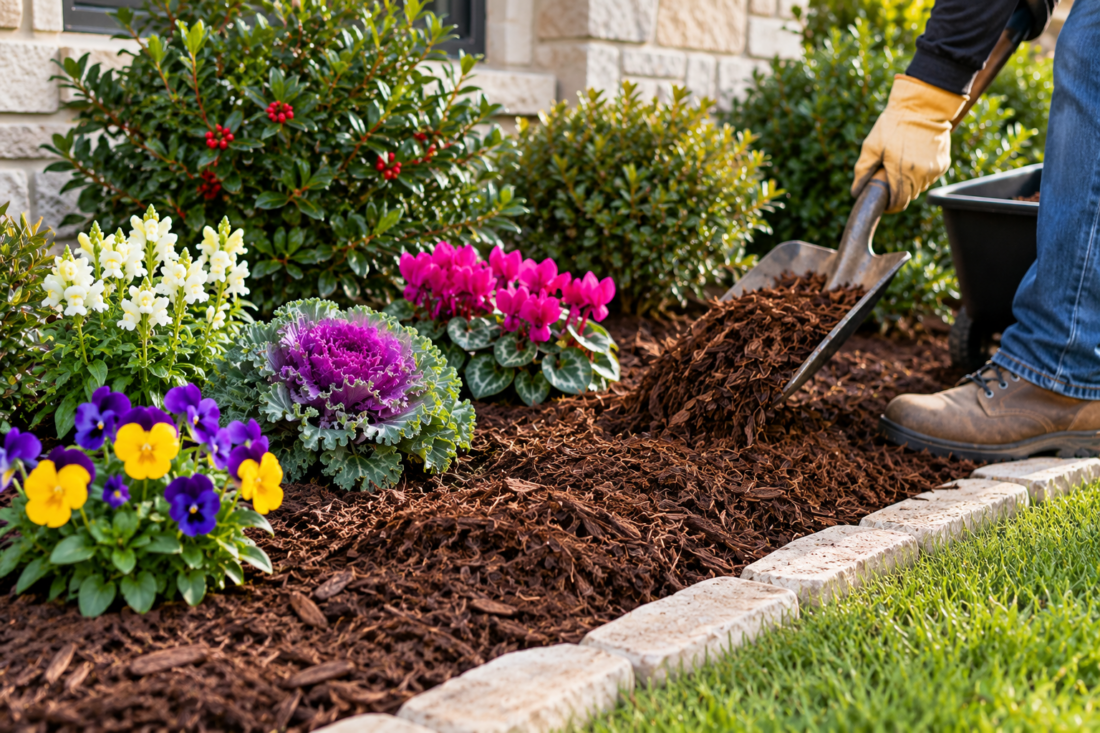
I remember last winter, dealing with the clay-heavy soil and poor drainage. The lawn looked lifeless, and previous plantings hadn’t survived the frost. By introducing winter-hardy plants like pansies, ornamental kale, and Texas Sage—and adding a fresh layer of mulch—the garden came alive in less than a week. That experience really drove home how much the right plant selection can transform a North Texas yard during winter.
Keep your winter landscape looking neat and healthy with professional flower bed cleanup from Ryno Lawn Care. Contact us today to schedule your flower bed cleanup!
Top Winter Landscaping Plants for North Texas
1. Pansies
Pansies are a North Texas favorite for winter color. They tolerate light frost and come in almost every color imaginable. I’ve planted them in both beds and pots, and they consistently last through December into early spring. For best results, plant them in well-draining soil and make sure they get at least 4-6 hours of sunlight. Read more about pansies.

2. Snapdragons
Snapdragons are another hardy option. They offer tall, colorful spikes that brighten a garden bed during winter. In my experience, grouping them with mulch protects their roots from occasional freezes—just like I did in that clay-heavy yard, which really helped the plants thrive.

3. Ornamental Kale and Cabbage
These aren’t just for the vegetable garden! Ornamental kale and cabbage add texture and deep, rich colors to winter landscapes. I used them along borders and around trees, and they stayed vibrant even when frost hit.

4. Winter Jasmine
If you want a shrub that bloom in the colder months, winter jasmine is a great pick. Its yellow flowers pop against the gray of winter, and it’s low-maintenance once established. Plant it near a fence or trellis, and you’ll get a cascading effect that’s almost effortless.

5. Camellias
For evergreen shrubs with stunning flowers, camellias are a top choice. They bloom in winter, providing color when most plants are dormant. In my experience, camellias thrive in partial shade and slightly acidic soil—something I always check for before planting.

6. Texas Sage (Leucophyllum frutescens)
Texas Sage isn’t just drought-tolerant—it’s also winter-hardy in North Texas. Its silver-green foliage paired with purple blooms adds interest all season. I’ve planted it in multiple places throughout my yard, and it always does well.

7. Dwarf Yaupon Holly
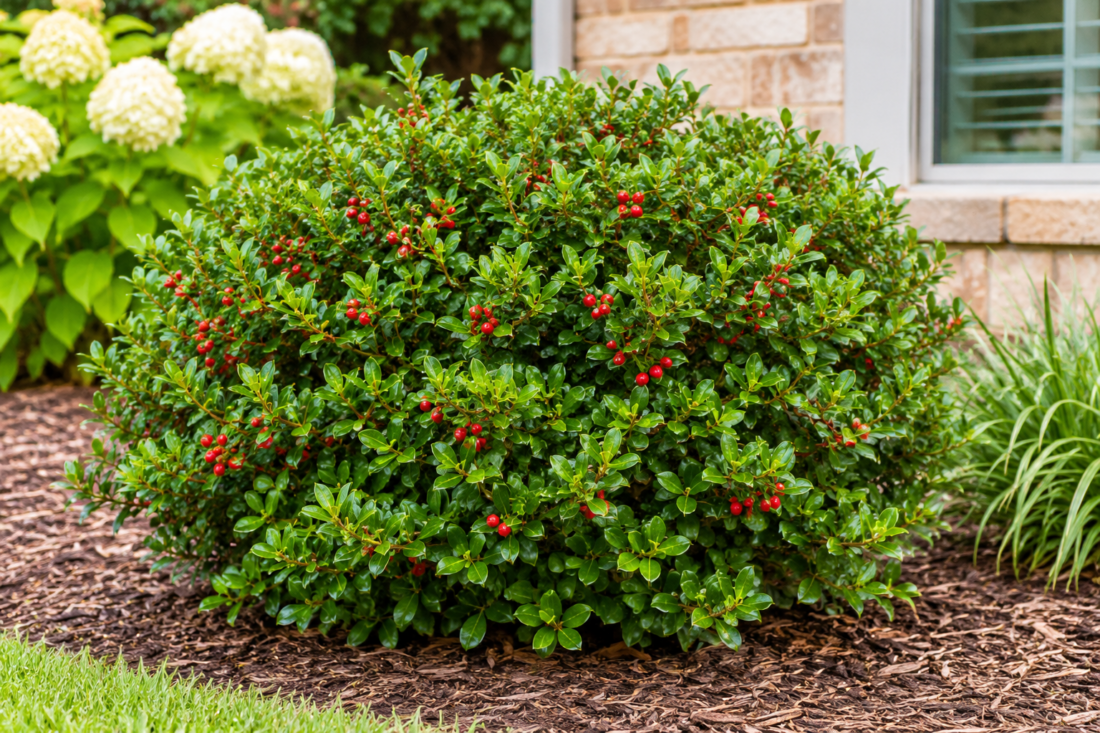
Dwarf Yaupon Holly is a hardy evergreen shrub that provides year-round greenery in North Texas landscapes. Its compact, rounded shape makes it a great choice for foundation plantings, garden borders, and low-maintenance landscape beds. Once established, it tolerates heat and periods of drought.
8. Juniper
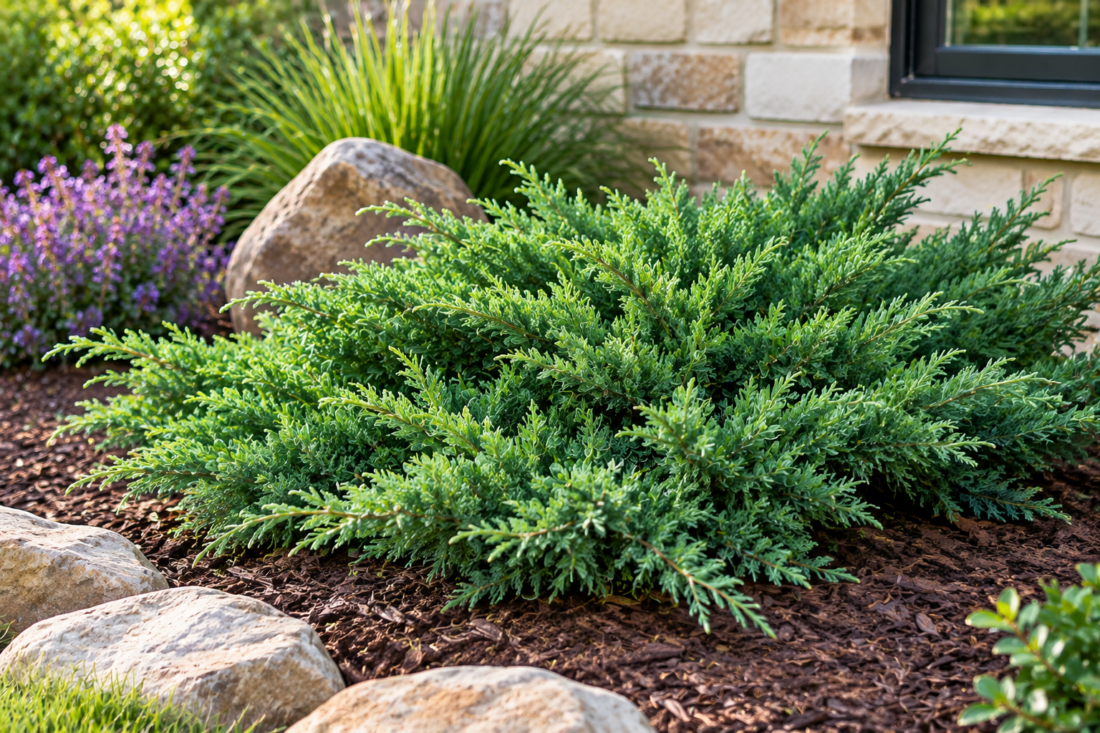
Junipers are versatile evergreen shrubs that add texture and greenery to winter landscapes. Compact varieties, such as Andorra Juniper, work well as groundcovers or along garden borders. They tolerate North Texas heat and prefer sunny locations with well-draining soil.
How to Protect Winter Plants During a Freeze
Although many winter landscaping plants can tolerate cooler temperatures, sudden freezes can still damage flowers, shrubs, and newly established plants. A few simple precautions can help protect your landscape when temperatures drop.
-
Cover sensitive plants: Use frost blankets or breathable row covers to protect flowers and young plants from freezing temperatures.
-
Add a layer of mulch: Apply 2–3 inches of mulch around plants to help insulate roots and maintain more consistent soil temperatures.
-
Water before a freeze: If the soil is dry, water plants before temperatures drop. Moist soil retains more heat than dry soil.
-
Move potted plants: Bring containers into a garage or sheltered area when freezing weather is expected.
-
Avoid pruning too early: Wait until the threat of freezing weather has passed before removing damaged growth or pruning cold-sensitive plants.
Read our article that explains, "What Plants Need to be Covered During a Freeze?"
Tips for a Thriving Winter Garden
- Mulch Your Beds: Mulch helps retain soil warmth and moisture, protecting plant roots during cold snaps. Protect your winter landscaping and give your plants a healthier foundation with professional mulch installation. Contact Ryno Lawn Care today to schedule your mulch installation!
- Water Smartly: Winter rain can be sporadic. Make sure your plants aren’t sitting in soggy soil, but don’t let them dry out completely.
- Protect Young Plants: Newly planted flowers can get frost damage. Using row covers or garden blankets prevents this.
- Plan for Color: Mix evergreen shrubs with winter-blooming flowers for a layered, vibrant landscape.
Looking for something to occupy your mind during these long, winter months? Read our article, “What Can Landscapers Do in Winter?”
Winter Landscaping Plants for North Texas
|
Plant |
Bloom/Color |
Care Tips for North Texas Winter |
|---|---|---|
|
Pansies |
Purple, yellow, white, multi-color |
Plant in well-draining soil; provide 4–6 hours of sunlight; tolerates light frost. |
|
Snapdragons |
Red, pink, yellow, orange |
Mulch around roots for added protection; provide full to partial sun. |
|
Ornamental Kale & Cabbage |
Purple, green, white |
Adds texture and color to flower beds; mulch around roots during cold weather. |
|
Winter Jasmine |
Yellow flowers, green foliage |
Plant near fences or trellises for cascading growth; tolerates cold temperatures once established. |
|
Camellias |
Red, pink, white |
Plant in partial shade and slightly acidic, well-draining soil; provides winter blooms and evergreen foliage. |
|
Texas Sage |
Purple flowers, silver-green foliage |
Drought-tolerant once established; thrives in full sun and well-draining soil. |
|
Dwarf Yaupon Holly |
Glossy green evergreen foliage; red berries on female plants |
Plant in full sun to partial shade; tolerates heat and drought once established; requires minimal maintenance. |
|
Juniper |
Blue-green, silver-green, or dark green evergreen foliage |
Plant in full sun and well-draining soil; drought-tolerant once established; choose a variety suited to your available space. |
Final Thoughts
Winter landscaping in North Texas doesn’t have to be dull. With the right plant choices, a little planning, and some protective measures, you can create a beautiful garden that thrives even in cooler months. Whether you’re adding color with pansies, texture with ornamental kale, or blooms with camellias, these winter-friendly plants will keep your yard looking its best.
Ready to add some color to your winter garden? Let us help! Check out our landscape installation service page.

Michelle Valdivia
Michelle brings expertise in educational communication to lawn care content creation. She holds degrees in Human Development and Family Studies and Education. Over four years, she has created professional web content for landscaping and lawn care businesses, collaborating with experienced lawn care teams to ensure each blog post is rooted in real-world expertise.