
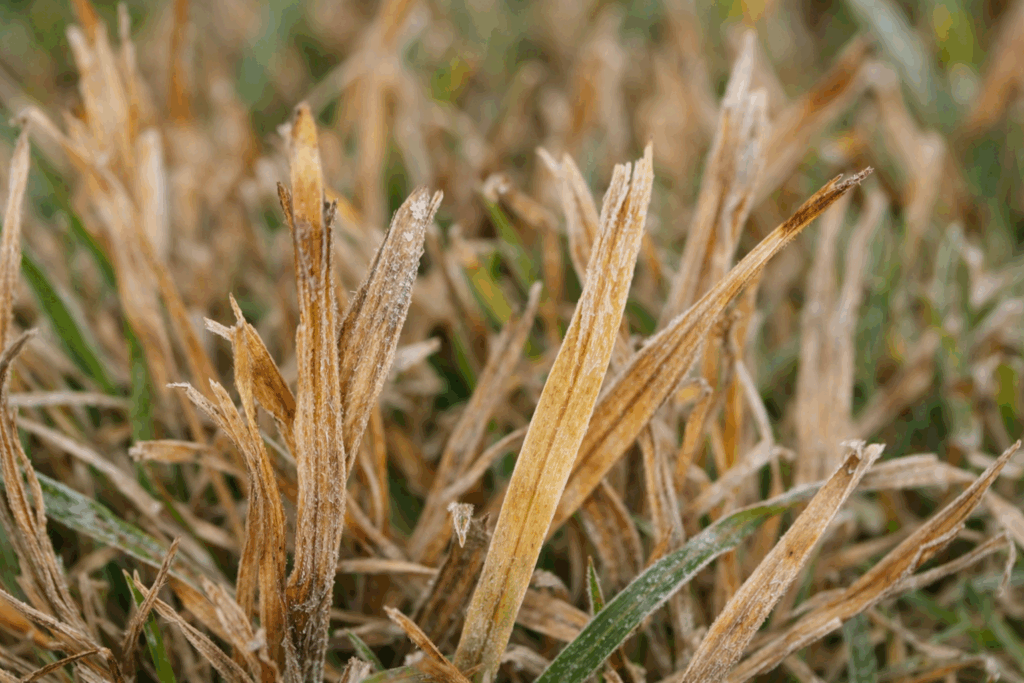
After the recent freeze and winter storm, many homeowners are wondering whether their grass is dead, dormant, or just stressed from cold temperatures.
The good news? Most frost damage is temporary and lawns will recover with the right care. Understanding the causes, symptoms, and recovery process makes it easier to know what to expect and when to take action.
What Causes Frost Damage on Grass?
Grass blades are made up mostly of water. When temperatures drop below freezing, that water forms ice crystals inside the plant tissue. This can cause:
- Cellular damage
- Leaf burn
- Crown stress
- Interrupted nutrient flow
Some grasses tolerate this better than others. In North Texas:
- Bermuda grass is fairly cold-tolerant
- Zoysia handles cold moderately well
- St. Augustine is cold-sensitive and often shows more visible injury
Extended hard freezes, ice accumulation, and rapid temperature swings increase injury risk — all common during DFW winter storms.
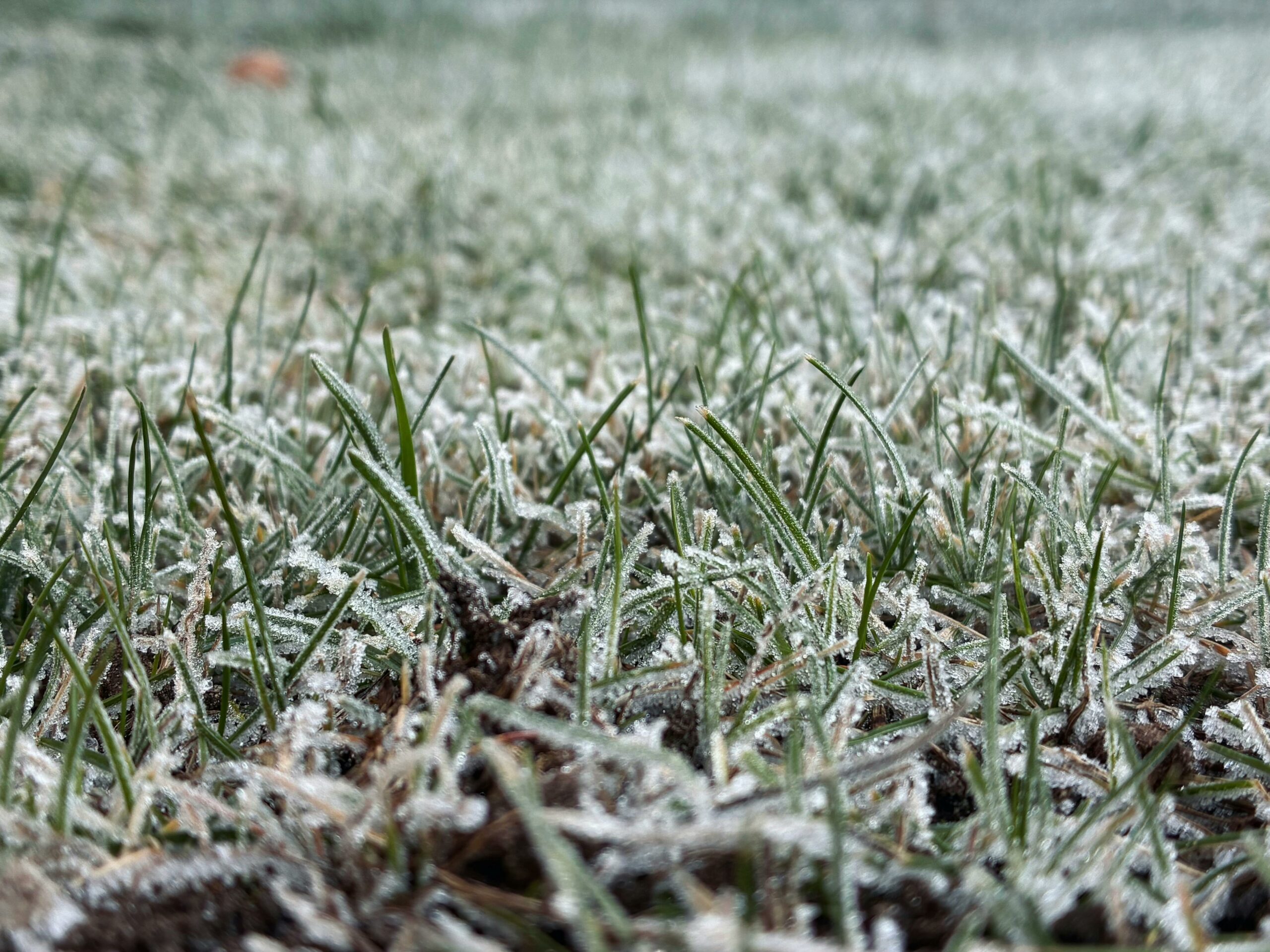
Freeze Tolerance Comparison
Warm-season grasses vary widely in how they respond to frost and ice events. Here’s how the three most common North Texas turf types compare:
| Grass Type | Freeze Tolerance | Typical Frost Symptoms | Recovery Behavior | Risk Level During North Texas Winter Storms |
|---|---|---|---|---|
| Bermuda | High | Browning, dormancy, slight tissue burn | Greens up once soil warms | Low Risk |
| Zoysia | Moderate | Patchiness, tan/brown discoloration | Slower spring recovery in cold years | Moderate Risk |
| St. Augustine | Low | Blade burn, thinning, potential crown injury | May struggle to rebound after hard freezes | High Risk |
Key Takeaways for Homeowners:
✔ St. Augustine takes the most visible damage
✔ Bermuda is the most resilient
✔ Zoysia sits in the middle and depends on the cultivar
What Does Frost-Damaged Grass Look Like? (Symptoms to Watch For)
After a freeze, homeowners may notice:
✔ Grass turning brown or tan
✔ Patchy or blotchy texture
✔ Brittle blades that crack when bent
✔ Slow greening once temperatures rise
✔ Thinning or bare areas in the spring
In many cases, frost damage looks worse than it actually is, especially during winter dormancy.
North Texas Twist: Don’t Confuse Frost Damage With Dormancy
Because warm-season lawns go dormant in winter, many homeowners assume dead = dead. But dormant grass naturally:
- Loses color
- Feels dry
- Slows or stops growth
Dormancy is not death — it’s a survival mode. Frost damage simply exaggerates the dormant appearance for a few weeks to months. Read our article titled, “What Does Dormant Grass Look Like.”
How to Know if Your Grass Will Recover
The recovery key lies in the crown, which sits at the soil line. If the crown survives the freeze, the lawn will push new growth once soil temperatures warm in spring.
When Will Frost-Damaged Lawns Green Up Again?
In North Texas, warm-season grasses typically green up between:
Late March – Early May
Freeze damage can delay green-up by a few weeks — especially for St. Augustine.
How to Help Your Lawn Recover (Spring Recovery Tips)
Once the weather warms, encourage recovery with:
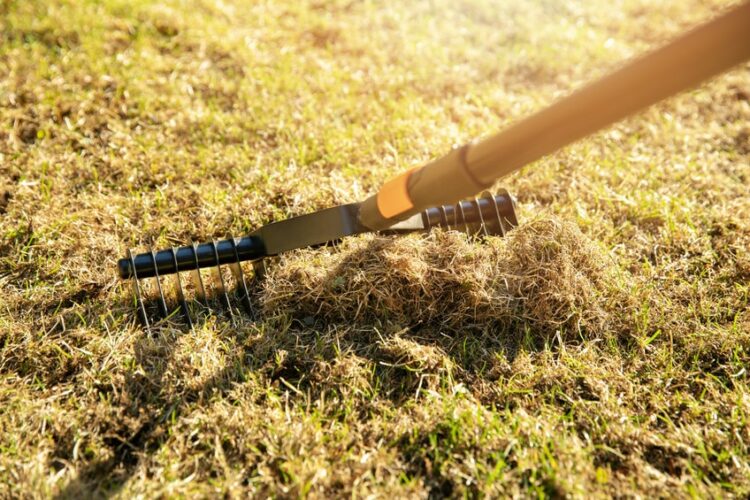
✔ Light Raking — removes dead material and improves airflow
✔ Balanced Fertilization — supports new growth (avoid early N spikes during cold snaps)
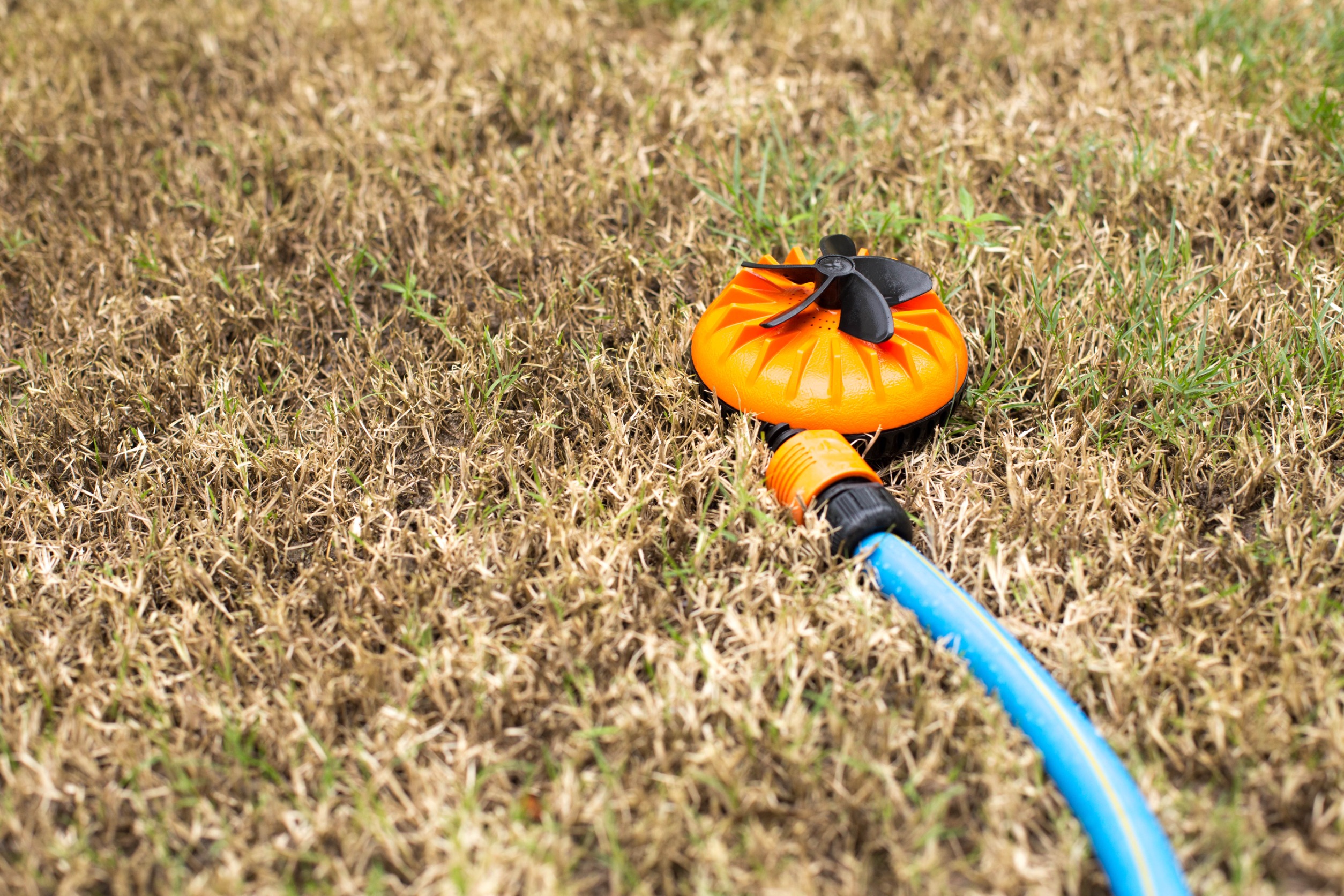
✔ Proper Watering — helps lawns rehydrate after freeze stress
✔ Topdressing — fills in thin or depressed areas
✔ Resodding (if needed) — for bare patches that don’t return
Allow lawns to fully break dormancy before major corrective work.
Prevention: How to Reduce Frost Damage Next Winter
You can’t control the weather, but you can set your lawn up for better frost resistance. Ryno Lawn Care recommends:
✔ Ensuring proper fall fertilization
✔ Maintaining healthy soil structure
✔ Avoiding scalping or low mowing before winter
✔ Not fertilizing too late into the fall
✔ Avoiding foot traffic during frost (crushes brittle frozen blades)
For sensitive grass varieties (especially St. Augustine), these steps make a noticeable difference.
Common Mistakes to Avoid After a Freeze
Many homeowners accidentally make frost damage worse by:
🚫 Fertilizing too early
🚫 Mowing while grass is still frozen
🚫 Aerating before soil temperatures warm
🚫 Watering during sub-freezing conditions
Patience matters — recovery happens as temperatures rise, not during the freeze itself.
FAQ about frost damage to grass
Is frost damage permanent?
Usually no. Most frost-damaged lawns recover in spring if the crown survives.
Does frost kill Bermuda grass?
Rarely. Bermuda is cold-tolerant and usually rebounds well.
Is St. Augustine grass freeze-sensitive?
Yes — it’s one of the more cold-affected grasses in North Texas.
Should I reseed after frost?
Only if bare patches persist into late spring.
Final Takeaway
Frost damage may make lawns look worse before they look better, but for most warm-season grasses in North Texas, recovery is the norm, not the exception. Once temperatures warm and growth resumes, the lawn can regain its color, density, and vigor.
If your lawn is showing patchy recovery, delayed green-up, or severe winter injury this spring, Ryno Lawn Care can assess the damage and recommend the best recovery plan for your turf type and soil conditions.

Michelle Valdivia
Michelle brings expertise in educational communication to lawn care content creation. She holds degrees in Human Development and Family Studies and Education. Over four years, she has created professional web content for landscaping and lawn care businesses, collaborating with experienced lawn care teams to ensure each blog post is rooted in real-world expertise.